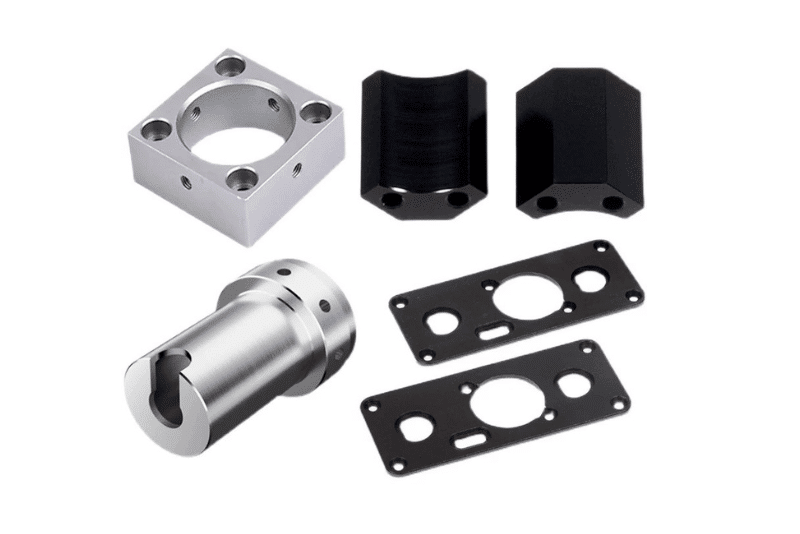
Ask ten people what color aluminum is and most will say “silver.” They’re not wrong, but they’re not telling the whole story either. After years working with this metal on the shop floor and in finishing lines, I can tell you its appearance shifts depending on how it’s cut, treated, alloyed, and even how long it’s been sitting around.
This guide breaks down what aluminum actually looks like in its raw state, why it changes, and how finishing and alloying push it across a surprising range of tones. By the end, you’ll know how to read aluminum’s color and what’s driving it.
The True Color of Pure Aluminum
Pure aluminum is a silvery-white metal with a soft, bright luster. Hold a clean piece under good light and you’ll see it reflects well without the cool blue cast you get from stainless steel. It reads as light, clean, and slightly warm.
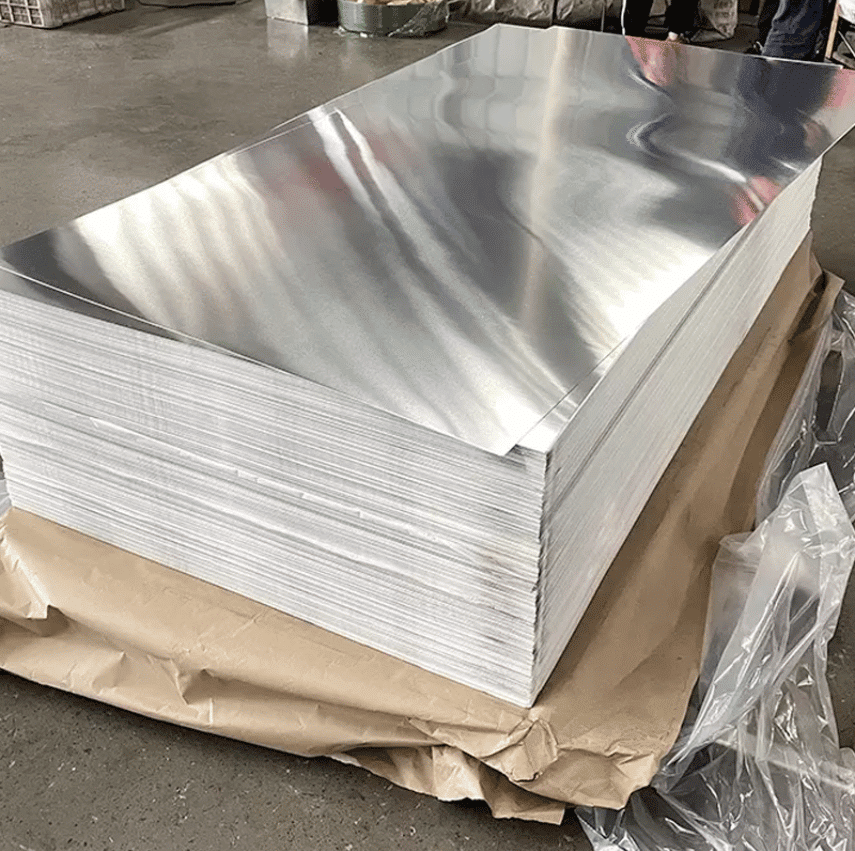
That brightness comes from how aluminum reflects visible light fairly evenly across the spectrum. Few common metals bounce light back this cleanly, which is part of why aluminum looks so crisp when it’s fresh.
Surface texture matters more than people expect. A smooth, fine grain reflects light in one direction and looks bright and mirror-like. A coarser grain scatters that light, so the same metal can look softer or more muted depending on how the surface was worked.
One thing worth knowing up front: pure aluminum almost never stays in its raw state. The moment it meets air, it starts to change. That brings us to the next point.
Why Aluminum Looks Duller Over Time
Expose fresh aluminum to air and a thin layer of aluminum oxide forms on the surface within seconds. This happens fast and you can’t stop it. The good news is that this layer is doing useful work.
That oxide film is usually transparent or a light, dull gray. It doesn’t change the metal’s basic silvery character, but it does knock back some of the bright shine you see on a freshly machined part.
Here’s an easy way to picture it. A piece of aluminum that just came off the lathe looks almost mirror-bright. The same part left in a warehouse for a few months looks flatter and grayer. Nothing failed. The oxide layer simply matured.
That layer is also why aluminum holds up so well outdoors. The oxide seals the surface and blocks oxygen from reaching the metal underneath, which stops deeper corrosion before it starts. So the slight dulling you see is actually the metal protecting itself.
How Surface Finishing Changes the Look
The oxide layer explains natural change over time. But finishing is where you take real control of appearance, because the same alloy can look completely different depending on how it’s treated.
Polished and Mirror Finishes
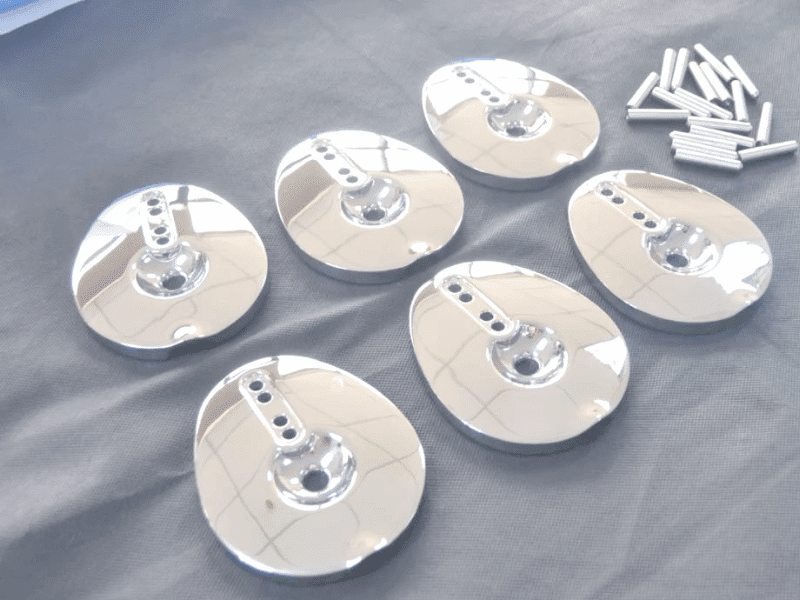
Polishing smooths the surface down to a fine, even plane. Light hits it and reflects straight back, which produces that bright, mirror-like shine.
Take it far enough and polished aluminum looks almost like chrome. You’ll see this on trim, decorative panels, and consumer products where a high-gloss look sells.
Brushed and Satin Finishes
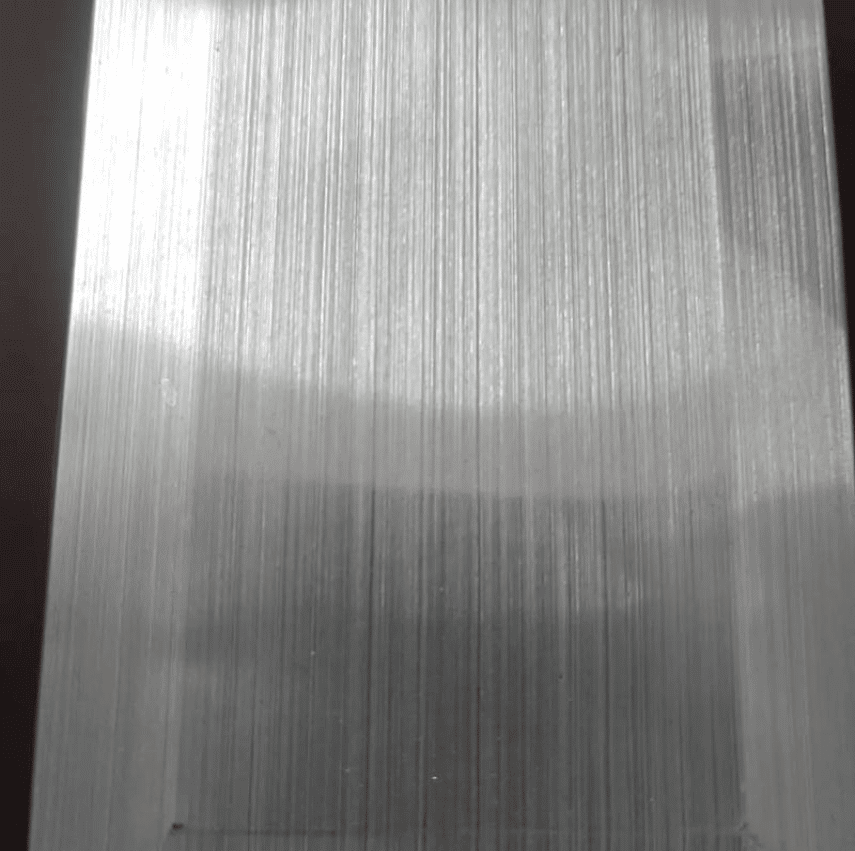
A brushed finish uses fine, directional scratches to create a soft matte or satin gray. Those tiny grooves scatter light instead of reflecting it cleanly.
The result reads as flatter and a touch warmer than a polished surface. It also hides fingerprints and small scuffs better, which is why so many appliances and laptops use it.
Sandblasted and Textured Finishes
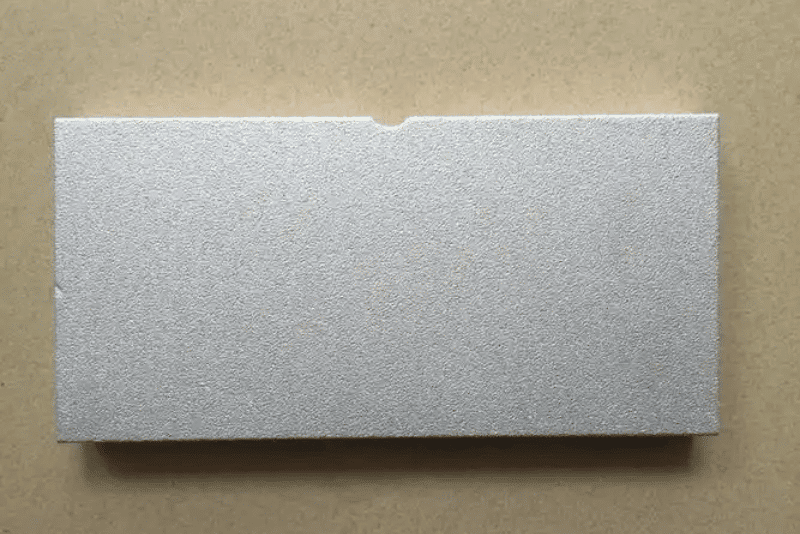
Blasting the surface with abrasive media produces a flat, chalky, light-gray look. There’s no shine here at all.
The rougher the texture, the more it scatters light and the lower the reflectivity. The same aluminum that looked like chrome when polished can look almost like gray stone after blasting. The metal didn’t change. The surface did.
How Alloying Elements Shift the Tone
Finishing changes how light behaves on the surface. Alloying goes deeper, because the metals mixed into aluminum can quietly shift its base tone. Aluminum is rarely used pure, so this matters more than you’d think.
Copper can lend a faint yellow or warm tint. Some high-copper alloys carry a subtle golden cast next to a brighter, cleaner alloy.
Magnesium and manganese tend to keep that bright silver look intact. If color consistency matters and you want to stay true to classic aluminum, these alloys behave well.
Silicon pushes the metal toward a darker, blue-gray shade. High-silicon casting alloys often look noticeably grayer than wrought aluminum.
A practical tip: when color consistency is critical for a project, check the alloy grade before you order. Two parts can both be “aluminum” and still not match.
Anodizing and the Full Spectrum of Color
Finishes and alloys only nudge the color. Anodizing is where aluminum breaks wide open and can become almost any color you want.
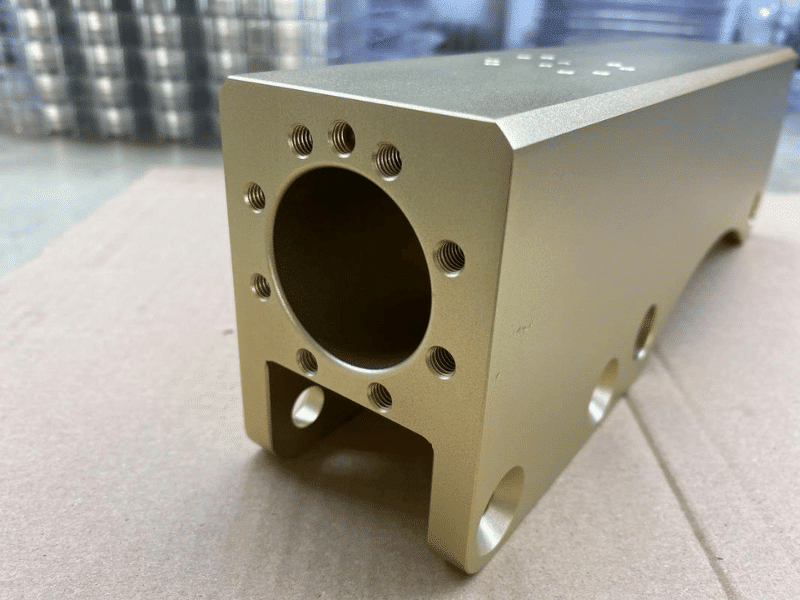
Anodizing is an electrochemical process that thickens the natural oxide layer in a controlled way. Instead of the thin film air creates, you build a deeper, harder, porous oxide on the surface.
That porous structure is the key. The tiny pores soak up dye, which locks color into the surface rather than sitting on top like paint. That’s why anodized color wears so well.
This opens the door to popular options like black, gold, red, and blue, the kind of finishes you see on phones, laptops, water bottles, and machined hardware. Clear anodizing is the other side of the coin: it builds the protective layer without dye, so the part keeps a steady silver look and resists the slow dulling that bare aluminum goes through.
Aluminum vs. Other Silvery Metals
People mix aluminum up with other light-colored metals all the time. A few quick comparisons make it easier to tell them apart at a glance.
- Stainless steel usually looks darker and more blue-toned. Set it beside aluminum and the steel reads cooler and heavier.
- Silver carries a warmer, more brilliant white glow. It has a richness that aluminum’s flatter brightness doesn’t match.
- Tin tends to look duller and softer on the surface, without aluminum’s clean reflectivity.
- Magnesium shares a very similar light-gray hue, which is exactly why the two get confused. Weight and surface behavior often tell them apart faster than color alone.
Common Questions About Aluminum Color
Here are the practical questions that come up most often.
Does aluminum turn black when it gets wet?
Not from water alone. But in harsh or salty conditions, aluminum can develop dark or white patches as the oxide layer reacts. This is surface corrosion, and it usually cleans up rather than meaning the part is ruined.
How do you restore the original silver color to old aluminum?
Light cleaning with a mild acidic cleaner or a dedicated aluminum polish removes the dull oxide buildup and brings back shine. For deeper dullness, fine abrasive pads or polishing compounds work well. Just know the brightness will fade again as fresh oxide forms.
Why does some aluminum look more like chrome?
That’s polishing. A high-polish finish reflects light cleanly enough to look chrome-like. The alloy underneath is still ordinary aluminum, only the surface has been refined to a mirror.
Can you paint aluminum to change its color at home?
Yes, but prep is everything. You need to clean and lightly scuff the surface, then use a primer made for aluminum. Skip the primer and paint tends to peel, because that slick oxide layer doesn’t give paint much to grip.
Why does aluminum foil have a shiny side and a dull side?
It comes from manufacturing. Foil is rolled in pairs to get it thin enough, so the sides touching the rollers come out shiny while the sides facing each other stay dull. Both sides perform the same in the kitchen.
Quick Recap: How to Read Aluminum’s Color
Aluminum is naturally a silvery-white metal that dulls to gray as it oxidizes. That shift is normal and protective, not a defect.
Beyond the natural color, finishes and alloys are the main drivers of how bright or dark the metal appears. Polishing brightens it, blasting flattens it, and elements like copper or silicon nudge the tone warm or cool. Anodizing takes it furthest, opening the door to nearly any color on the spectrum.
If color matters for your project, check two things before you commit: the alloy grade and the finish. Get those right and you’ll know exactly how your aluminum will look.