Fascinating and functional, chrome plating has found it’s way into various industries such as automotive and aerospace. This guide explores various types, applications and processes of chrome plating. It also tackles the science behind electroplating, differences between hard and decorative chrome, and the best chrome plating maintenance. This resource helps you understand and appreciate the durability, corrosion resistance, and visual enhancement that chrome plating brings to many products.
Understanding Chrome Plating
What is Chrome Plating?
Chrome plating is a specialized electroplating process where a thin layer of chromium is deposited onto a metal or plastic surface. This process not only enhances the material’s appearance with a shiny, reflective finish but also improves its durability, resistance to corrosion, and overall performance.
The process begins by thoroughly cleaning the object to remove any contaminants. The item is then immersed in a chromic acid solution, and an electric current is applied. This current facilitates the deposition of chromium onto the surface, creating a uniform and protective layer.
Chrome plating is widely used across industries such as automotive, aerospace, and manufacturing, where it serves both aesthetic and functional purposes. From sleek car parts to durable industrial tools, chrome plating plays a vital role in enhancing the quality and longevity of countless products.
Types of Chrome Plating
Chrome plating is categorized into two primary types: decorative chrome plating and hard chrome plating. Each type is tailored to meet specific needs and applications.
Decorative Chrome Plating
Decorative chrome plating, also known as bright chrome plating, focuses on enhancing the visual appeal of objects. This process involves applying a thin layer of chromium, typically over a layer of nickel, to achieve a brilliant, mirror-like finish.
Common applications include car parts (e.g., grilles, trim), household fixtures (e.g., faucets, door handles), and consumer goods. While decorative chrome plating provides moderate protection against corrosion and wear, its primary purpose is aesthetic. It is best suited for items where appearance is the main priority rather than heavy-duty performance.
Key Features:
- Finish: Shiny, reflective, and visually appealing.
- Protection: Moderate resistance to corrosion and wear.
- Applications: Automotive trim, household fixtures, and decorative consumer goods.
Hard Chrome Plating
Hard chrome plating, also known as industrial chrome plating, is designed for functionality rather than aesthetics. This process involves applying a much thicker layer of chromium to enhance the material’s durability, hardness, and wear resistance.
Hard chrome plating is commonly used in industrial applications, such as machine parts, tools, and hydraulic cylinders, where components must withstand extreme conditions. It provides excellent resistance to corrosion, making it ideal for harsh environments and heavy-duty use.
Key Features:
- Finish: Matte or slightly reflective, with a focus on performance.
- Protection: Superior resistance to wear, abrasion, and corrosion.
- Applications: Heavy machinery, industrial tools, and hydraulic systems.
Why Chrome Plating Matters
Whether for aesthetic purposes or industrial performance, chrome plating offers a versatile solution that enhances both the appearance and functionality of materials. By understanding the differences between decorative and hard chrome plating, businesses and consumers can choose the right type of plating to meet their specific needs.
Applications of Chrome Plating
Chrome plating is a versatile process that enhances both the appearance and functionality of various products. Its durability, corrosion resistance, and aesthetic appeal make it indispensable across multiple industries. Here’s a closer look at its applications:
-
Automotive Industry
Chrome plating is a staple in the automotive sector, where it is used to enhance the appearance and longevity of car parts. Components like bumpers, grilles, wheels, and exhaust pipes benefit from chrome plating, which provides a shiny, polished finish while protecting against rust, corrosion, and wear caused by road conditions. -
Aerospace Sector
In the aerospace industry, hard chrome plating is applied to critical components such as landing gear, engine parts, and hydraulic systems. This plating improves durability, reduces friction, and enhances resistance to extreme temperatures and environmental conditions, ensuring reliable performance in high-stress applications. -
Manufacturing and Machinery
Industrial equipment often relies on hard chrome plating to withstand heavy use in demanding environments. Hydraulic rods, molds, dies, and rollers are commonly plated to resist wear, abrasion, and corrosion, extending their lifespan and maintaining performance under constant stress. -
Consumer Goods
Decorative chrome plating is widely used in household items to provide a sleek and polished appearance. Faucets, door handles, light fixtures, and kitchen appliances are often chrome-plated to combine aesthetic appeal with resistance to tarnishing and corrosion, ensuring long-lasting beauty and functionality. -
Medical Field
In the medical industry, chrome plating is applied to surgical instruments, medical devices, and diagnostic equipment. The plating ensures these tools are durable, corrosion-resistant, and easy to sterilize, meeting the stringent hygiene and performance standards required in healthcare settings.
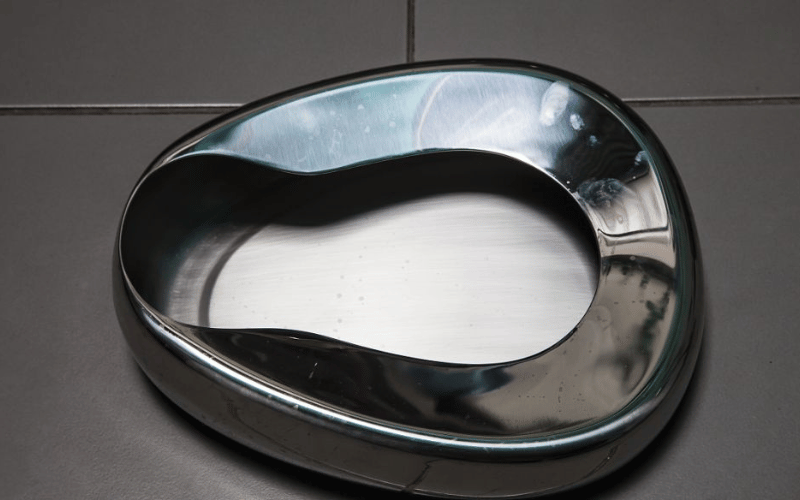
By combining aesthetic appeal with functional benefits such as durability, corrosion resistance, and wear protection, chrome plating remains a preferred choice for enhancing the performance and appearance of products across a wide range of industries.
The Chrome Plating Process
Preparation of the Base Metal
The first step in the chrome plating process is preparing the base material. This involves cleaning and smoothing the surface to ensure proper adhesion of the chromium layer. Any dirt, grease, or rust must be removed using chemical cleaning agents or abrasive techniques like sandblasting. For metals, imperfections such as scratches or pits are polished out to create a uniform surface.
After cleaning, the base material undergoes an acid etching process to remove any remaining contaminants and to slightly roughen the surface. This step improves the bonding between the chromium layer and the substrate, ensuring a durable and long-lasting finish.
Electroplating Techniques
Chrome plating relies on electroplating, a process that uses an electric current to deposit a thin layer of chromium onto a base material. This process enhances the material’s durability, corrosion resistance, and appearance. Two primary techniques are commonly used in chrome plating:
-
Rack Plating
Rack plating is ideal for larger or more complex parts. In this method, the parts are securely mounted on racks and immersed in the plating solution. The racks ensure proper positioning and even coating, making this technique suitable for automotive components like bumpers and grilles, as well as machinery parts and other sizable items. -
Barrel Plating
Barrel plating is designed for smaller parts, such as screws, fasteners, and small fittings. The parts are placed in a rotating barrel filled with the plating solution. As the barrel rotates, the parts tumble, ensuring an even coating on all surfaces. This method is highly efficient and cost-effective for mass production of small components.
Electrolytic Cell Setup
The electrolytic cell is the heart of the chrome plating process, where the actual deposition of chromium occurs. It consists of three key components:
-
Anode
The anode, typically made of lead or a lead alloy, supplies the chromium ions required for the plating process. It plays a crucial role in maintaining the concentration of chromium in the plating solution. -
Cathode
The base material to be plated serves as the cathode. During the process, the cathode attracts the chromium ions from the solution, allowing the chromium to deposit evenly onto its surface. -
Plating Solution
The plating solution, also known as the electrolyte, contains chromic acid and other additives. These chemicals facilitate the transfer of chromium ions from the anode to the cathode, ensuring a smooth and uniform deposition.
Bath Composition and Control
The composition of the plating bath is critical to achieving high-quality results. The primary ingredient is chromic acid, which provides the chromium ions. Sulfate ions are also added to balance the solution and improve plating efficiency. Maintaining the correct ratio of these components is essential for consistent results.
Temperature and current density are closely monitored throughout the process. The bath temperature typically ranges between 95°F and 115°F (35°C to 46°C), while the current density is adjusted based on the size and shape of the part. Regular testing and adjustments ensure the bath remains stable and effective.
Post-Plating Treatments
Post-plating treatments are essential to ensure the durability, functionality, and appearance of chrome-plated parts. These steps refine the plating process and prepare the components for their intended applications. Here’s a closer look at the common post-plating treatments:
-
Rinsing
After plating, the parts are thoroughly rinsed to remove any residual chemicals or contaminants from the plating bath. This step prevents unwanted chemical reactions or residue buildup that could compromise the quality of the chrome layer. -
Polishing
For decorative chrome plating, polishing is a critical step to achieve a smooth, mirror-like finish. Using specialized tools and compounds, technicians buff the surface to enhance its shine and aesthetic appeal, making it suitable for applications like automotive trim or household fixtures. -
Heat Treatment
In some cases, heat treatment is applied to the plated parts to relieve internal stress within the chromium layer. This process improves the adhesion of the chrome to the base material, enhancing the durability and resistance of the coating, especially for components exposed to high stress or harsh environments. -
Inspection
A meticulous inspection follows to ensure the quality of the plating. Technicians check for defects such as uneven coating, surface imperfections, or areas with insufficient coverage. Any issues are corrected to meet the required standards before the parts are approved for use.
Chromium Compounds in Chrome Plating
Hexavalent Chromium vs Trivalent Chromium
Chromium compounds play a central role in the chrome plating process, with hexavalent chromium (Cr6+) and trivalent chromium (Cr3+) being the two primary forms used. Each has distinct properties, applications, and safety considerations.
- Hexavalent Chromium (Cr6+)
Hexavalent chromium is the traditional compound used in chrome plating. It is highly effective in creating a durable, corrosion-resistant, and shiny finish. However, it is also toxic and poses significant health and environmental risks. Prolonged exposure can lead to respiratory issues, skin irritation, and other serious health problems. Due to these concerns, its use is heavily regulated in many countries. - Trivalent Chromium (Cr3+)
Trivalent chromium is a safer alternative to hexavalent chromium. It offers similar plating results but with reduced toxicity and environmental impact. While it is less hazardous, trivalent chromium may require different plating techniques and equipment, which can increase initial costs for businesses transitioning from hexavalent systems.
Hexavalent Chromium (Cr6+) vs. Trivalent Chromium (Cr3+): A Detailed Comparison
| Feature | Hexavalent Chromium (Cr6+) | Trivalent Chromium (Cr3+) |
|---|---|---|
| Toxicity Level | Highly toxic and a known carcinogen. Poses significant health risks to workers. | Significantly lower toxicity and is not classified as a carcinogen. A much safer alternative. |
| Environmental Impact | High. Wastewater requires extensive treatment to remove harmful compounds before discharge. Contaminates soil and water if not managed properly. | Low. Wastewater is easier to treat, and the environmental footprint is considerably smaller. |
| Finish & Appearance | Traditionally known for its bright, mirror-like, and slightly bluish finish. | Produces a slightly darker, more smokey appearance compared to Cr6+. The finish is consistent and aesthetically pleasing. |
| Corrosion Resistance | Excellent. Provides a robust barrier against rust and environmental degradation. | Very good. Offers corrosion resistance that is comparable to or sometimes exceeds hexavalent chrome in certain applications. |
| Plating Efficiency | Highly efficient and forgiving process. Tolerates minor variations in bath chemistry and temperature without major defects. | Less efficient and more sensitive to impurities in the plating bath. Requires stricter process control. |
| Cost | Lower operational costs for chemicals, but high long-term costs due to strict regulatory compliance, waste treatment, and worker safety measures. | Higher initial setup costs for new equipment and chemistry. Lower long-term costs due to reduced waste treatment and compliance requirements. |
| Regulatory Compliance | Heavily regulated globally (e.g., EU’s REACH). Faces increasing restrictions and potential bans. | Favored by regulatory bodies. Meets modern environmental and safety standards, ensuring long-term compliance. |
| Common Applications | Historically used for automotive trim, industrial hard chrome applications, and high-end decorative finishes. | Increasingly used in automotive, electronics, and consumer goods where safety and environmental standards are a priority. |
| Adhesion & Hardness | Provides exceptional hardness and adhesion, making it ideal for high-wear industrial parts (hard chrome). | Offers good hardness and adhesion, suitable for most decorative and many functional applications. |
Chromic Acid in the Plating Process
Chromic acid, derived from hexavalent chromium, is a key component in traditional chrome plating baths. It provides the chromium ions necessary for the electroplating process. The acid is mixed with other additives, such as sulfuric acid, to enhance plating efficiency and ensure a uniform coating.
The concentration of chromic acid in the bath must be carefully controlled to achieve optimal results. Too much or too little can lead to defects like uneven coating, poor adhesion, or reduced corrosion resistance. Regular testing and adjustments are essential to maintain the bath’s effectiveness.
Environmental and Safety Considerations
The use of chromium compounds, particularly hexavalent chromium, presents significant environmental and safety challenges. Addressing these concerns is critical to protecting workers, communities, and ecosystems. Here’s a closer look at the key considerations:
-
Health Risks
Hexavalent chromium is a known health hazard. Workers exposed to it may experience respiratory issues, skin irritation, and an increased risk of developing certain cancers. To mitigate these risks, facilities must enforce strict safety protocols. This includes providing personal protective equipment (PPE) such as gloves, masks, and protective clothing, as well as installing proper ventilation systems to reduce airborne exposure. -
Environmental Impact
Wastewater from chrome plating processes often contains hexavalent chromium, which can contaminate soil and water if not properly treated. This contamination poses serious risks to aquatic life and human health. To prevent environmental damage, facilities must implement advanced wastewater treatment systems that effectively remove harmful compounds before discharge. Regular monitoring and maintenance of these systems are essential to ensure compliance with environmental standards. -
Regulatory Compliance
Many countries have enacted stringent regulations to limit the use of hexavalent chromium due to its toxicity. For instance, the European Union’s REACH (Registration, Evaluation, Authorization, and Restriction of Chemicals) framework imposes strict controls on its use in industrial applications. Businesses must stay up to date with these regulations, implement compliant practices, and maintain thorough documentation to avoid penalties and ensure safe operations. -
Transition to Safer Alternatives
To address the risks associated with hexavalent chromium, many industries are transitioning to safer options like trivalent chromium or other environmentally friendly alternatives. While this shift requires investment in new equipment, training, and process adjustments, it significantly reduces long-term health and environmental risks. Additionally, adopting sustainable practices aligns with global efforts to promote environmental responsibility and meet evolving consumer expectations.
Finishing Techniques for Chrome-Plated Surfaces
Polishing for a High-Gloss Finish
Polishing is an essential step in achieving the iconic high-gloss finish that defines chrome-plated surfaces. After the plating process, the surface may have minor imperfections, such as uneven textures or a dull appearance, that need refinement. Polishing not only smooths out these irregularities but also enhances the reflective quality of the chrome, creating a flawless, mirror-like shine. Here’s how the process works:
-
Mechanical Polishing
Mechanical polishing is the go-to method for larger parts or surfaces requiring a uniform finish. Technicians use buffing wheels and abrasive compounds to remove surface imperfections. The process begins with coarse abrasives to eliminate scratches, pits, or uneven areas. Gradually, finer abrasives and polishing compounds are applied to refine the surface, resulting in a smooth, high-gloss finish. This method is ideal for automotive parts, machinery components, and other sizable items. -
Hand Polishing
For smaller or intricately designed items, hand polishing is often preferred. Using soft cloths and specialized chrome polishes, technicians carefully work on the surface to ensure precision and avoid damaging delicate areas. This method is particularly effective for items with detailed engravings, tight corners, or complex shapes, such as jewelry, decorative fixtures, or custom-designed components. -
Protective Coatings
After polishing, applying a clear protective coating is highly recommended to preserve the shine and protect the surface from oxidation, tarnishing, and wear. These coatings act as a barrier against environmental factors, such as moisture and pollutants, ensuring the chrome retains its brilliance over time. Options include clear lacquers, sealants, or wax-based products, depending on the application and desired level of protection.
Maintenance of Chrome Plated Items
Proper maintenance is key to preserving the appearance, durability, and functionality of chrome-plated surfaces. With regular care, you can prevent issues like corrosion, tarnishing, and the buildup of dirt or grime. Follow these steps to keep your chrome items looking their best:
-
Cleaning
Clean chrome surfaces regularly using a soft cloth or sponge with mild soap and warm water. This removes dirt, grease, and other residues without damaging the finish. Avoid abrasive cleaners, scrubbers, or harsh chemicals, as they can scratch or dull the chrome. For stubborn stains or spots, a mixture of equal parts vinegar and water can be an effective and gentle solution. Rinse thoroughly after cleaning to remove any residue. -
Drying
Always dry chrome surfaces immediately after cleaning to prevent water spots or mineral deposits from forming. Use a microfiber cloth for the best results, as it absorbs moisture without leaving streaks or scratches. Proper drying also helps protect the surface from moisture-related issues like rust. -
Polishing and Waxing
Periodically polish chrome items with a chrome-specific polish to restore their shine and remove minor imperfections. Polishing not only enhances the reflective quality of the surface but also helps maintain its smoothness. For added protection, apply a thin layer of wax or a chrome sealant. This creates a barrier against moisture, dirt, and environmental contaminants, extending the life of the chrome finish. -
Rust Prevention
Inspect chrome surfaces regularly for signs of rust, corrosion, or pitting. If you notice rust spots, address them promptly to prevent further damage. Use a fine steel wool pad or a rust remover specifically designed for chrome to gently remove rust without scratching the surface. Afterward, clean and polish the area to restore its appearance and protect it from future corrosion.
Regular maintenance not only keeps chrome-plated items looking sleek and polished but also extends their lifespan. Whether it’s a decorative fixture, an automotive part, or a household item, proper care ensures the chrome finish remains resistant to wear, corrosion, and tarnishing. By following these simple steps, you can enjoy the lasting beauty and functionality of your chrome-plated surfaces for years to come.
Common Issues and Solutions
While chrome plating is known for its durability and aesthetic appeal, it can still encounter issues over time due to wear, environmental factors, or improper care. Here are some common problems and practical solutions to address them:
-
Peeling or Flaking
Peeling or flaking occurs when the chrome layer loses adhesion to the base material. This is often caused by poor plating techniques, prolonged exposure to harsh conditions, or physical damage. Unfortunately, once peeling begins, the only effective solution is to have the item professionally replated. To prevent this issue, ensure proper care and avoid exposing chrome surfaces to extreme environments or abrasive materials. -
Scratches
Minor scratches can dull the appearance of chrome but are often easy to fix. Use a chrome-specific polish and a soft cloth to gently buff out light scratches. For deeper scratches that cannot be polished away, professional refinishing may be necessary to restore the surface. To minimize the risk of scratches, avoid using abrasive cleaners or rough materials during cleaning. -
Rust and Corrosion
Rust can develop if the chrome layer is damaged, exposing the underlying metal to moisture and air. To address rust, use a fine steel wool pad or a rust remover designed for chrome surfaces. Gently clean the affected area, taking care not to scratch the surrounding chrome. After removing the rust, apply a protective coating, such as wax or a sealant, to prevent future corrosion. -
Dullness
Over time, chrome surfaces can lose their shine due to dirt buildup, oxidation, or exposure to environmental elements. Regular cleaning with mild soap and water, followed by polishing with a chrome-specific polish, can restore the original luster. For added protection, apply a thin layer of wax or a chrome sealant to maintain the shine and guard against future dullness.
Proactively addressing common chrome plating issues ensures that your items remain both visually appealing and functional. Regular maintenance, combined with prompt attention to problems like rust or scratches, can significantly extend the lifespan of chrome-plated surfaces. By following these solutions, you can keep your chrome items looking their best for years to come
Environmental and Safety Considerations in Chrome Plating
Health Risks
Hexavalent chromium, a key component in traditional chrome plating, poses significant health hazards. Prolonged exposure can lead to severe respiratory issues, including asthma, bronchitis, and lung damage. It is also classified as a carcinogen, increasing the risk of lung cancer with long-term exposure. Skin contact can cause irritation, rashes, or even chemical burns.
To mitigate these risks, strict safety protocols are essential. Workers must wear personal protective equipment (PPE), such as gloves, masks, and protective clothing, to minimize direct exposure. Proper ventilation systems are critical in plating facilities to reduce airborne chromium particles. Regular health monitoring and training programs further ensure worker safety and compliance with occupational health standards.
Environmental Impact
The environmental challenges of chrome plating primarily stem from the disposal of wastewater containing hexavalent chromium. If not treated properly, this toxic waste can contaminate soil and water sources, posing risks to ecosystems and human health. Chromium pollution can harm aquatic life, disrupt food chains, and render water sources unsafe for consumption.
To address these issues, advanced wastewater treatment systems are necessary. Techniques such as chemical precipitation, ion exchange, and reverse osmosis are commonly used to remove hexavalent chromium from wastewater. Additionally, many facilities are adopting closed-loop systems to recycle water and minimize waste discharge, reducing their environmental footprint.
Regulatory Compliance
Global regulations have been implemented to limit the use of hexavalent chromium and promote safer practices. The European Union’s REACH (Registration, Evaluation, Authorization, and Restriction of Chemicals) framework is a prime example. It restricts the use of hazardous substances like hexavalent chromium and encourages industries to transition to safer alternatives.
In response, many companies are shifting toward trivalent chromium, which offers similar plating results with significantly lower toxicity. This transition not only ensures compliance with environmental standards but also aligns with global sustainability goals. Adopting these alternatives often requires investment in new equipment and training, but the long-term benefits outweigh the initial costs.
Advancements in Chrome Plating Technology
Eco-Friendly Alternatives
The development of eco-friendly alternatives is transforming the chrome plating industry. Trivalent chromium has emerged as a safer and more sustainable option, reducing health and environmental risks without compromising quality. Unlike hexavalent chromium, trivalent chromium is non-carcinogenic and easier to manage in terms of waste disposal.
Other sustainable methods, such as physical vapor deposition (PVD) and electroless plating, are also gaining traction. These techniques eliminate the need for toxic chemicals, offering a greener approach to surface finishing. While these methods may not fully replace traditional chrome plating in all applications, they represent a significant step toward reducing the industry’s environmental impact.
Improved Plating Techniques
Advancements in electroplating processes are enhancing both efficiency and quality. Automation has become a game-changer, allowing for precise control over plating parameters such as current density, temperature, and bath composition. This not only improves the consistency of the chrome layer but also reduces material waste and energy consumption.
Precision control systems, often integrated with IoT technology, enable real-time monitoring and adjustments during the plating process. These innovations ensure optimal performance while minimizing errors, leading to higher-quality finishes and reduced operational costs.
Future Trends
Emerging technologies are shaping the future of chrome plating. Nanotechnology, for instance, is being explored to create ultra-thin, high-performance chrome coatings. These nanocoatings offer enhanced durability, corrosion resistance, and reduced material usage, making them ideal for industries like aerospace and electronics.
Another promising trend is the integration of AI and machine learning in plating operations. These technologies can predict equipment maintenance needs, optimize plating parameters, and improve overall efficiency. As the industry continues to innovate, these advancements will play a crucial role in meeting environmental standards and maintaining competitive advantages.
Frequently Asked Questions
Q: What is chrome plating and how does the chrome plating process work?
A: Chrome plating involves electroplating a thin layer of chromium onto a metal substrate to enhance its durability, corrosion resistance, and appearance. The process starts with cleaning the substrate to remove contaminants. If needed, a conductive layer is applied. The item is then submerged in a chromic acid solution, where an electric current deposits chromium onto the surface, creating a protective and visually appealing coating.
Q: What are the types of chrome plating available?
A: The main types of chrome plating are decorative chrome plating, hard chrome plating, and engineered chrome. Decorative chrome plating focuses on aesthetics, providing a shiny finish for items like car parts and household fixtures. Hard chrome plating is designed for industrial applications, offering superior wear resistance and durability. Engineered chrome is tailored for specific functional requirements, such as reducing friction or improving heat resistance.
Q: How does decorative chrome plating differ from hard chrome plating?
A: Decorative chrome plating enhances the appearance of items with a shiny, mirror-like finish, making it ideal for car parts, faucets, and other consumer goods. Hard chrome plating, on the other hand, prioritizes functionality by improving wear resistance, hardness, and durability. It is commonly used for industrial components like hydraulic rods and machinery parts. Additionally, hard chrome coatings are thicker than decorative chrome layers.
Q: What is the role of trivalent chromium in chrome plating?
A: Trivalent chromium offers a safer and more environmentally friendly alternative to hexavalent chromium, which is highly toxic. It provides excellent corrosion resistance and is increasingly used in chrome plating to meet health, safety, and environmental regulations. Many industries are adopting trivalent chromium to reduce risks while maintaining high-quality plating results.
Q: How does chrome plating provide corrosion protection?
A: Chrome plating creates a thin, protective layer of chromium that acts as a barrier against moisture, oxygen, and other corrosive elements. This layer prevents rust and degradation, extending the lifespan of the underlying material. The durability of the coating ensures long-term protection in harsh environments.
Q: What are the benefits of using quality chrome plating?
A: Quality chrome plating enhances both the functionality and appearance of metal parts. It provides superior corrosion resistance, improves wear resistance, and restores worn components to their original dimensions. High-quality chrome finishes also ensure reliability in critical applications, such as hydraulic systems, where durability and performance are essential.
Q: What is the importance of polishing in the chrome plating process?
A: Polishing is crucial for preparing the substrate surface before plating. A smooth, polished surface ensures better adhesion of the chrome layer, resulting in a high-quality finish. For decorative chrome plating, polishing enhances the reflective properties, creating a sleek and visually appealing appearance. Proper polishing also minimizes imperfections, improving the overall durability of the coating.
Q: Can chrome plating be applied to various types of substrates?
A: Yes, chrome plating can be applied to a wide range of substrates, including steel, aluminum, and plastic. The choice of substrate influences the plating process and the final properties of the chrome layer. Selecting the right base material ensures optimal adhesion, durability, and performance of the chrome coating.
Q: How does the thickness of chrome plating influence its performance?
A: The thickness of the chrome layer directly affects its performance. Thicker coatings, like those used in hard chrome plating, provide greater wear resistance and durability, making them ideal for heavy-duty applications. Thinner coatings, typically used in decorative chrome plating, enhance aesthetics while offering moderate corrosion protection. The required thickness depends on the intended use of the plated item.
Conclusion
For its allure, chrome plating is a revolutionary technique, one which augments the function and form of creative materials upheld through preparations of atoms, metals and adjoining materials, all of which hinges on the delineate electroplating mechanisms which speak volumes of the finesse and the sturdiness of the outcome. This outcome, combined with the ecosystem, is, however, beleaguered by the perils of corrosion and abrasion. As is, care coupled with the more environment friendly substitutes is. chrome plating truly becomes both practical and idealistic. This approach is, more often than not, coupled with the principles delineated in the manual, which sheds more light on the practicality chrome plating holds in regard to decluttering the function with the esthetics, all to enhance the utility and the outlook of the device, all in the span of a couple of the years.