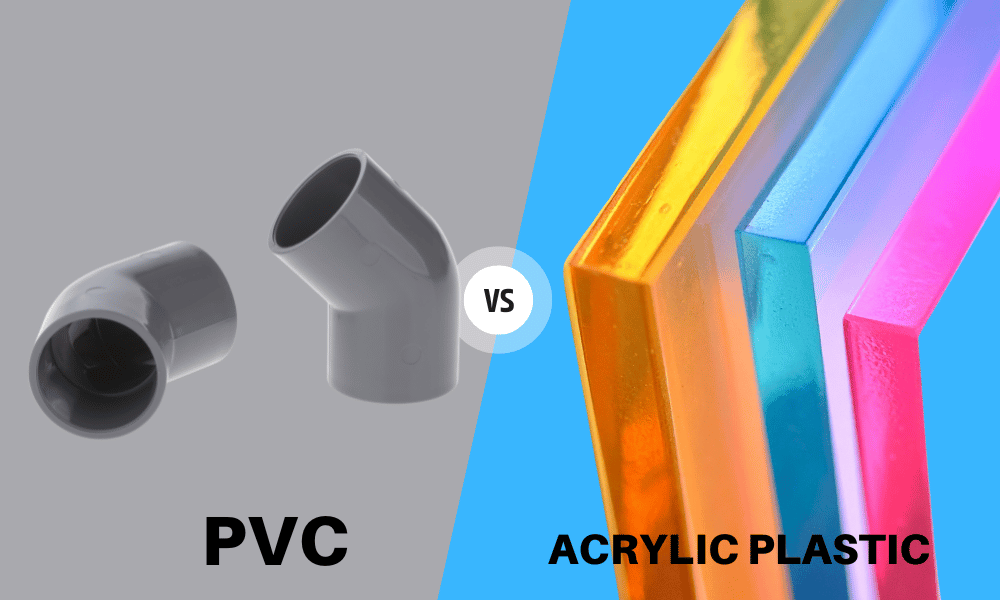
PVC and acrylic are two of the most widely used plastics in modern manufacturing. At first glance, they may seem similar because both are lightweight, durable, and easy to shape into useful products. But once you look closer, their differences become clear. They vary in composition, appearance, strength, cost, and the kinds of jobs they do best.
From construction sites and hospitals to retail displays and aquariums, these two materials serve very different needs. Choosing the right one can affect product life, appearance, and budget. In this guide, we’ll break down what PVC and acrylic are, how they compare, where they are used, and what to consider from an environmental perspective.
What Is PVC Plastic?
PVC definition and composition
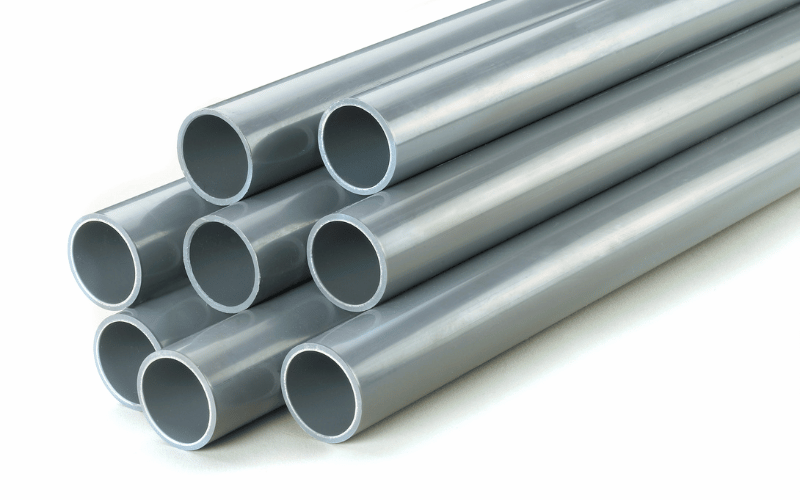
PVC stands for polyvinyl chloride. It is a synthetic plastic polymer made from vinyl chloride monomers. Manufacturers can produce it in both rigid and flexible forms, depending on the additives used during processing. Plasticizers, stabilizers, and other compounds can change how soft, strong, or weather-resistant the final material becomes.
Main features of PVC
PVC is valued for its durability, chemical resistance, and versatility. It handles moisture well, resists many acids and alkalis, and performs reliably in tough environments. Rigid PVC is strong and commonly used in building materials, while flexible PVC is softer and used in products that need bendability.
Because it is practical and cost-effective, PVC appears in a wide range of applications. Common examples include pipes, cable insulation, vinyl flooring, window frames, wall panels, and certain types of medical tubing and equipment.
What Is Acrylic Plastic?
Acrylic definition and composition
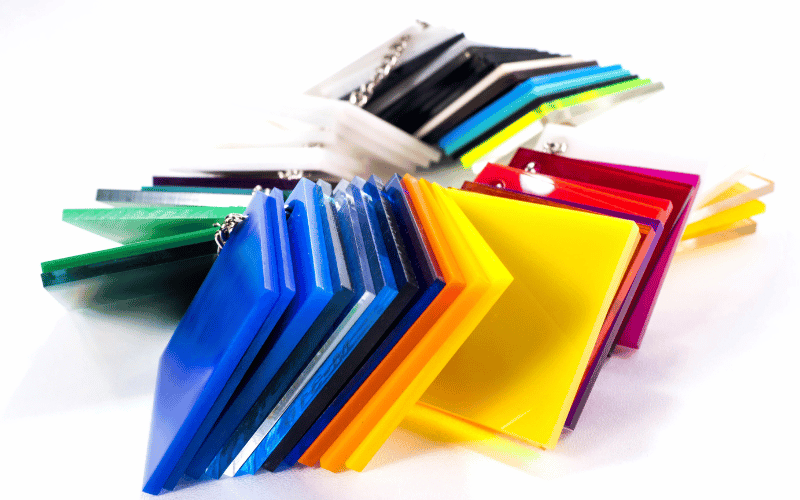
Acrylic is the common name for polymethyl methacrylate, or PMMA. It is a transparent thermoplastic made from methyl methacrylate monomers. Unlike PVC, acrylic is best known for its glass-like clarity and polished appearance. It is often chosen when visual appeal matters as much as function.
Main features of acrylic
Acrylic is lightweight, weather-resistant, and highly transparent. It allows light to pass through well, making it a popular substitute for glass in many products. It is also easier to fabricate than glass and less likely to shatter, though it can crack under strong impact.
You will often find acrylic in signs, display cases, skylights, aquariums, lenses, protective barriers, and decorative panels. Its clean look and glossy surface make it especially popular in retail, architecture, and design-focused products.
Differences Between PVC and Acrylic Plastic
Side-by-side comparison
Although PVC and acrylic are both useful plastics, they are designed for different priorities. PVC is more practical for industrial and structural use, while acrylic is often selected for clarity and appearance.
| Feature | PVC | Acrylic |
|---|---|---|
| Appearance | Usually opaque or semi-opaque and available in many colors | Clear, glossy, and glass-like, though also available in colors |
| Durability | Flexible, tough, and more impact-resistant in many applications | More rigid and better at resisting surface scratches |
| Cost | Usually more affordable and widely used for budget-sensitive projects | Often more expensive because of its clarity and visual appeal |
| Applications | Common in plumbing, construction, insulation, and industrial products | Common in signage, displays, lenses, aquariums, and decorative items |
| Environmental impact | Recyclable in some systems, but production and disposal raise concerns due to chlorine content and additives | Recyclable in some cases, but recycling rates are often limited and production still uses petrochemicals |
Key differences to keep in mind
If you need a material that can handle moisture, chemicals, and everyday wear at a lower cost, PVC is often the better fit. If you need transparency, a polished finish, and a more premium visual effect, acrylic is usually the stronger choice.
Their workability also differs. PVC is often used where utility matters more than looks. Acrylic, on the other hand, is often chosen for customer-facing products where brightness, light transmission, and clean edges matter most.
Properties of PVC Plastic
Physical and chemical properties
PVC has strong resistance to moisture, corrosion, and many chemicals. This makes it useful in plumbing systems, chemical tanks, and outdoor building products. It also has good electrical insulation properties, which is why it is used in wire coatings and cable coverings.
Another major advantage is its adaptability. PVC can be made rigid for structural uses or flexible for soft applications. It can be extruded, molded, cut, and welded into many shapes. Some forms also offer decent UV resistance, though outdoor performance often depends on the additives included in the material.
Properties of Acrylic Plastic
Optical and surface properties
Acrylic stands out for its excellent optical clarity. It transmits light very effectively and can create a bright, clean appearance that resembles glass without the same weight. That makes it ideal for products where visibility and presentation matter.
It is also lightweight and resistant to weathering, so it performs well in many outdoor settings. Acrylic can be polished to a smooth, glossy finish, which helps maintain its visual appeal over time. While it is rigid and stable, it is less flexible than PVC and may crack if exposed to heavy force or poor handling.
Applications of PVC and Acrylic Plastics
Where each material is commonly used
PVC is heavily used in construction, infrastructure, healthcare, and manufacturing. You will see it in pipes, drainage systems, siding, flooring, cable insulation, credit cards, and inflatable goods. Its low cost and strong performance in wet or chemical-heavy settings make it one of the most practical plastics on the market.
Acrylic is more common in visual and decorative applications. It is used in illuminated signs, retail displays, windows, protective screens, furniture accents, museum cases, aquariums, and optical products. Its strength lies in combining durability with a clean, high-end look.
Environmental Impact of PVC and Acrylic Plastics
Sustainability concerns and recycling
Both PVC and acrylic raise environmental concerns, though for different reasons. PVC contains chlorine and often includes additives that can complicate recycling and disposal. If not managed properly, its production and end-of-life treatment can create pollution risks. Even so, some PVC products can be recycled, especially in industrial collection systems.
Acrylic also comes from petrochemical sources and is not always easy to recycle at scale. Although it can sometimes be reprocessed or reused, recycling access varies by region. To reduce the environmental footprint of either material, the best approach is to choose only what is needed, extend product life, and use recycling programs where available.
Frequently Asked Questions
Which material is more durable?
It depends on the type of stress involved. PVC is generally better at handling impact and flexing, while acrylic is more rigid and better at maintaining a hard, scratch-resistant surface.
Which is better for outdoor use?
Acrylic is often better for outdoor displays and panels because it resists weathering and stays clear. PVC also works outdoors, especially in construction, but appearance can matter less than performance in those uses.
Can PVC and acrylic be recycled?
Yes, both can be recycled in some cases, but local recycling options may be limited. PVC recycling is more common in industrial channels, while acrylic recycling depends heavily on local facilities.
What are the cost differences between the two?
PVC is usually cheaper than acrylic. Acrylic costs more because of its transparency, finish, and decorative value.
Conclusion
PVC and acrylic may both be plastics, but they serve different purposes. PVC is affordable, flexible, and highly practical for construction, industrial, and utility uses. Acrylic is clear, lightweight, and visually appealing, making it ideal for displays, signage, and products where appearance matters.
The right choice depends on what you need most: cost, toughness, flexibility, clarity, or finish. By understanding their differences in properties, applications, and environmental impact, you can choose the material that best fits your project.