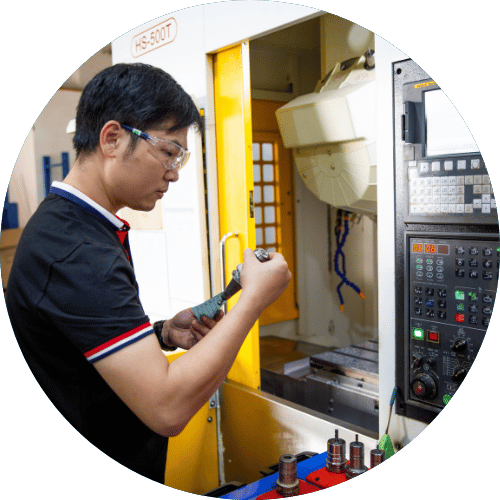
Milling operations play a crucial role in manufacturing, enabling the creation of precise and complex parts for various industries. This guide simplifies the process by breaking it down into easy-to-understand steps, helping you navigate milling with confidence.
What Are Milling Operations?
Definition and Purpose of Milling
Milling operations involve the process of removing material from a workpiece using rotary cutters. This subtractive manufacturing method shapes and customizes materials, such as metal, plastic, or wood, into precise components. Milling serves a wide range of purposes, from creating flat surfaces and intricate contours to drilling holes and cutting slots. Industries such as aerospace, automotive, and construction rely heavily on milling to produce parts with tight tolerances and complex geometries. By offering versatility and precision, milling operations play a crucial role in modern manufacturing, enabling the production of a wide range of components, from small machine parts to significant structural elements.

Key Components of a Milling Machine
A milling machine consists of several essential components that work together to perform accurate and efficient material removal. Understanding these parts helps operators maximize the machine’s capabilities:
- Spindle: The spindle holds and rotates the cutting tool, providing the necessary speed and torque for material removal. Its stability and precision directly impact the quality of the finished part.
- Cutting Tool: The cutting tool, often made of high-speed steel or carbide, performs the actual material removal. Different tools, such as end mills, face mills, and drills, are used based on the operation and material.
- Worktable: The worktable supports the workpiece, allowing for precise positioning. Operators can adjust the table along the X, Y, and Z axes to achieve the desired cut.
- Column and Base: The column provides structural support for the machine, while the base ensures stability during operation. Together, they minimize vibrations and maintain accuracy.
- Control Panel: Modern milling machines often include a control panel for programming and monitoring operations. CNC (Computer Numerical Control) systems enable automated and precise machining.
- Feed Mechanism: The feed mechanism moves the workpiece or cutting tool at a controlled rate, ensuring consistent material removal and surface finish.
By combining these components, milling machines deliver the precision and flexibility required for a wide range of manufacturing applications. Whether creating prototypes or mass-producing parts, milling operations remain a cornerstone of industrial production.
Types of Milling Operations Simplified
Basic Milling Operations
Basic milling operations form the foundation of machining and are widely used across industries. These processes focus on creating flat surfaces, grooves, and simple shapes.
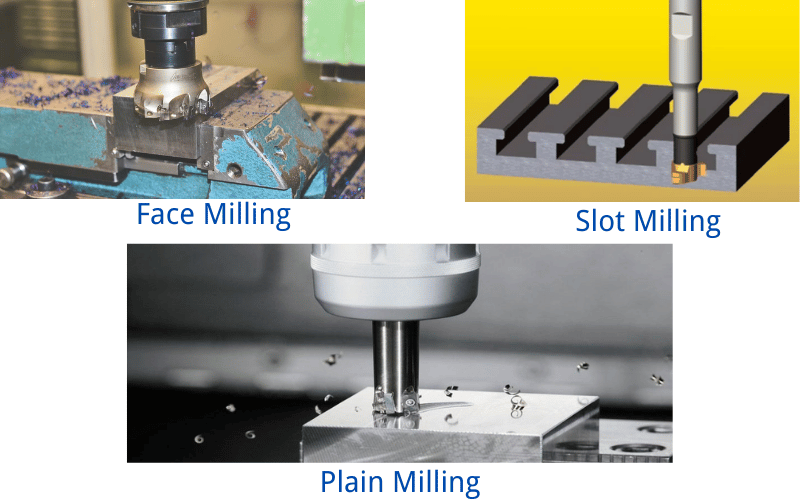
- Face Milling: This operation removes material from the surface of a workpiece to create a smooth, flat finish. It uses a cutting tool with multiple teeth and is ideal for preparing surfaces for further machining or assembly. Typical applications include creating flat faces on metal blocks or plates.
- Plain Milling: Also known as slab milling, this process removes material along the length of the workpiece. It uses a cylindrical cutting tool and is perfect for machining large, flat surfaces. Industries often use plain milling for structural components and machine bases.
- Slot Milling: Slot milling creates grooves or slots in a workpiece. It uses a specialized cutter to achieve precise widths and depths. This operation is essential for applications like keyways, T-slots, and channels in mechanical parts.
Advanced Milling Operations
Advanced milling operations handle more complex geometries and angles, making them suitable for specialized applications.
- Angular Milling: Angular milling cuts surfaces at specific angles, often using a single-angle cutter. This operation is ideal for creating chamfers, bevels, and angled edges on parts. It is commonly used in the aerospace and automotive industries for precision components.
- Form Milling: Form milling uses specially shaped cutters to produce intricate profiles, such as concave, convex, or irregular shapes. This operation is essential for creating molds, dies, and decorative parts.
- Gear Milling: Gear milling produces gears by cutting teeth into a workpiece. It uses specialized gear cutters or CNC programs to achieve precise dimensions. Industries like automotive and robotics rely on gear milling for high-performance mechanical systems.

Specialized Milling Operations
Specialized milling operations address unique requirements, such as miniature parts or complex 3D shapes.
- Micro Milling: Micro milling focuses on creating extremely small and precise features. It uses high-speed spindles and tiny cutting tools, making it ideal for medical devices, electronics, and micro-mechanical components.
- CAM Milling: CAM (Computer-Aided Manufacturing) milling uses CNC technology to produce complex 3D shapes. It automates the process, ensuring high precision and repeatability. CAM milling is widely used in industries like aerospace, dental, and prototyping.
- Helical Milling: Helical milling creates helical grooves or threads on a workpiece. It uses a combination of rotational and linear movements to achieve the desired shape. This operation is essential for manufacturing screws, bolts, and helical gears.

Summary Table of Milling Operations
| Type | Purpose | Common Applications |
|---|---|---|
| Face Milling | Creates flat surfaces with a smooth finish. | Metal blocks, plates, and surface prep. |
| Plain Milling | Machines large, flat surfaces. | Structural components, machine bases. |
| Slot Milling | Cuts grooves or slots with precision. | Keyways, T-slots, channels. |
| Angular Milling | Cuts surfaces at specific angles. | Chamfers, bevels, angled edges. |
| Form Milling | Produces intricate profiles and shapes. | Molds, dies, decorative parts. |
| Gear Milling | Cuts gear teeth with precision. | Automotive gears, robotics systems. |
| Micro Milling | Creates extremely small and precise features. | Medical devices, electronics, micro-parts. |
| CAM Milling | Produces complex 3D shapes using CNC. | Aerospace, dental, prototyping. |
| Helical Milling | Cuts helical grooves or threads. | Screws, bolts, helical gears. |
By grouping these operations into basic, advanced, and specialized categories, you can better understand their purposes and applications, making it easier to choose the right process for your project.
How to Choose the Right Milling Operation
Consider the Material Type
The type of material you plan to machine plays a significant role in selecting the appropriate milling operation. Softer materials like aluminum or plastics require less cutting force and can be machined efficiently with basic operations like face milling or plain milling. Harder materials, such as steel or titanium, demand more robust tools and advanced techniques like angular or form milling to achieve the desired results. Additionally, some materials, like composites or ceramics, may require specialized cutters or slower feed rates to prevent damage or tool wear. Always match the milling operation to the material’s properties, including hardness, ductility, and thermal conductivity, to ensure optimal performance and tool longevity.
Evaluate the Desired Precision and Surface Finish
Precision and surface finish requirements heavily influence the choice of milling operation. For applications that demand tight tolerances, such as aerospace or medical components, advanced operations like form milling or gear milling provide the accuracy needed. These methods can achieve intricate details and smooth finishes, ensuring the part meets strict specifications. On the other hand, if the project allows for more lenient tolerances, basic operations like plain milling or slot milling may suffice. Consider the end-use of the part and whether it requires additional finishing processes, such as polishing or coating, to meet aesthetic or functional standards.
Assess the Complexity of the Design
The complexity of your design determines whether you need basic, advanced, or specialized milling operations. Simple designs with flat surfaces or straight edges can be efficiently machined using face milling or plain milling. However, intricate geometries, such as curved profiles, angled edges, or helical grooves, require advanced techniques like angular milling, form milling, or helical milling. For highly complex 3D shapes, CAM milling offers the precision and automation needed to handle challenging designs. Always analyze the design’s features, including undercuts, contours, and internal geometries, to select the most suitable operation.
Factor in Production Volume and Cost
Production volume and budget constraints significantly impact the choice of milling operation. For low-volume production or prototyping, CNC milling provides flexibility and cost-effectiveness, as it eliminates the need for expensive tooling. Operations like slot milling or micro milling work well for small batches or custom parts. In contrast, high-volume production often benefits from more automated processes, such as CAM milling, which reduces cycle times and ensures consistency across large quantities. Always balance the upfront costs of tooling and machine setup with the long-term savings from efficient production methods to optimize your budget.
By carefully considering material type, precision needs, design complexity, and production volume, you can select the most effective milling operation for your project. This approach ensures high-quality results while keeping costs and timelines under control.
Common Mistakes to Avoid in Milling
Overlooking Proper Tool Selection
One of the most common mistakes in milling involves using the wrong cutting tool for the material or operation. For example, using a high-speed steel tool on hard metals like titanium can lead to rapid tool wear and poor results. Similarly, selecting a tool with an incorrect diameter or geometry can compromise precision and surface finish. To prevent this, always match the tool material and design to the workpiece material and the specific milling operation. Carbide tools work well for hard metals, while high-speed steel suits softer materials. Additionally, ensure the tool’s geometry, such as flute count and cutting edge angle, aligns with the operation’s requirements.
Ignoring Proper Speeds and Feeds
Incorrect spindle speeds and feed rates can cause a range of issues, from poor surface finish to excessive tool wear or even workpiece damage. Running the spindle too fast on hard materials generates heat, which can dull the tool and warp the workpiece. Conversely, using a slow feed rate on soft materials can lead to chatter and uneven cuts. Beginners should consult the manufacturer’s recommendations for speeds and feeds based on the material and tool being used. Adjust these settings as needed during the operation to maintain optimal cutting conditions.
Skipping Workpiece Setup and Alignment
Improper workpiece setup often results in inaccurate cuts, uneven surfaces, or even machine damage. Beginners sometimes rush the setup process, failing to secure the workpiece firmly or align it correctly with the machine’s axes. Always use appropriate clamps, vises, or fixtures to hold the workpiece securely. Check the alignment with a dial indicator or edge finder to ensure precision. Taking the time to set up the workpiece properly prevents costly errors and ensures consistent results.
Neglecting Tool Maintenance
Dull or damaged tools can ruin a milling operation by producing poor-quality cuts and increasing the risk of tool breakage. Many beginners overlook the importance of regular tool inspection and maintenance. Always check tools for wear or damage before starting a job. Replace dull tools promptly to maintain cutting efficiency and avoid damaging the workpiece. Proper storage and cleaning of tools also extend their lifespan and improve performance.
Failing to Plan the Milling Sequence
Jumping into a milling operation without a clear plan often leads to inefficiencies and mistakes. For instance, cutting deep features before machining the surrounding surfaces can cause instability and inaccuracies. Beginners should plan the sequence of operations carefully, starting with rough cuts to remove bulk material and finishing with precise cuts for details and surface finish. A well-thought-out plan ensures smoother operations and better results.
Tips for Beginners
To avoid these common mistakes, beginners should follow these practical tips:
- Start with Simple Projects: Begin with straightforward designs to build confidence and understand the basics of milling.
- Learn Machine Settings: Familiarize yourself with the machine’s controls, speeds, and feeds to optimize performance.
- Use Quality Tools: Invest in high-quality cutting tools and maintain them regularly for consistent results.
- Practice Workpiece Setup: Spend time mastering proper alignment and clamping techniques to ensure accuracy.
- Seek Guidance: Consult experienced machinists or online resources for advice and troubleshooting tips.
By avoiding these common errors and following these tips, beginners can improve their milling skills and achieve better results in their projects.
Emerging Trends in Milling Technology
Advancements in 5-Axis CNC Milling
5-axis CNC milling has revolutionized the manufacturing industry by offering unparalleled precision and flexibility. Unlike traditional 3-axis machines, 5-axis milling allows the cutting tool to move along five different axes simultaneously. This capability enables manufacturers to create complex geometries, such as intricate aerospace components or medical implants, in a single setup. By reducing the need for multiple setups, 5-axis milling not only saves time but also minimizes errors caused by repositioning the workpiece. Industries that demand high precision, such as automotive and aerospace, have embraced this technology to produce parts with tighter tolerances and superior surface finishes. Additionally, advancements in software have made programming 5-axis machines more user-friendly, allowing operators to simulate operations and optimize tool paths before machining begins.
The Role of Automation in Milling
Automation has become a cornerstone of modern milling technology, streamlining operations and boosting productivity. Automated milling systems integrate robotics, sensors, and software to handle tasks like tool changes, workpiece loading, and quality inspections. These systems reduce human intervention, allowing machines to operate continuously and efficiently, even during off-hours. For example, robotic arms can load and unload workpieces with precision, ensuring consistent results across high-volume production runs. Automation also enhances safety by minimizing the risk of human error and accidents. Small and medium-sized manufacturers are increasingly adopting automated solutions to stay competitive, as these systems lower labor costs and improve overall efficiency.
Sustainability Practices in Milling
Sustainability has become a critical focus in milling technology, with manufacturers adopting eco-friendly practices to reduce waste and energy consumption. One key trend involves the use of advanced cutting tools designed to last longer and perform efficiently, reducing the frequency of tool replacements. Additionally, many companies now recycle metal chips and coolant fluids generated during milling operations, minimizing environmental impact. Energy-efficient CNC machines equipped with smart sensors help monitor and optimize power usage, further reducing the carbon footprint of manufacturing processes. Some manufacturers have also started using biodegradable coolants and lubricants to replace traditional petroleum-based products, aligning with global sustainability goals.
Integration of Smart Technologies
The integration of smart technologies, such as IoT (Internet of Things) and AI (Artificial Intelligence), has transformed milling into a more data-driven process. IoT-enabled machines collect real-time data on performance metrics like spindle speed, tool wear, and vibration levels. Operators can use this data to predict maintenance needs, optimize cutting conditions, and prevent downtime. AI-powered software analyzes complex datasets to recommend adjustments in tool paths or machining parameters, ensuring consistent quality and efficiency. These technologies not only improve productivity but also enhance the lifespan of equipment and tools, making them a valuable investment for manufacturers.
Hybrid Milling Techniques
Hybrid milling, which combines traditional subtractive methods with additive manufacturing, represents another exciting trend in the industry. This approach allows manufacturers to build up material layer by layer and then machine it to achieve precise dimensions and surface finishes. Hybrid systems are particularly useful for repairing high-value components, such as turbine blades, by adding material only where needed. This method reduces material waste and shortens production cycles, making it both cost-effective and sustainable.
By embracing these emerging trends, manufacturers can stay ahead in a competitive market while meeting the demands for precision, efficiency, and sustainability. These innovations continue to shape the future of milling technology, offering new possibilities for industries worldwide.
Frequently Asked Questions
Q: What are the different types of milling operations?
A: Milling operations include plain milling, side milling, vertical milling, horizontal milling, and slot milling. Each operation serves specific machining purposes, using different cutters and techniques to remove material efficiently and achieve desired results.
Q: What is the role of a milling cutter in milling operations?
A: A milling cutter removes material from the workpiece by rotating at high speeds. Various types of cutters, such as end mills, face mills, and side milling cutters, are chosen based on the operation and the required surface finish or geometry.
Q: How does CNC milling technology enhance milling operations?
A: CNC milling technology automates machining, ensuring precision and repeatability. It handles complex tasks, including 5-axis milling, which allows the cutter to approach the workpiece from multiple angles, making intricate designs and tight tolerances achievable.
Q: What is the difference between vertical and horizontal milling?
A: Vertical milling features a vertically oriented spindle, ideal for operations like face milling and shoulder milling. Horizontal milling, on the other hand, uses a horizontally oriented spindle, making it better suited for slab milling, side milling, and heavy material removal.
Q: Can you explain the concept of gang milling?
A: Gang milling uses multiple milling cutters mounted on a single arbor to machine several surfaces simultaneously. This method boosts efficiency and reduces production time, making it ideal for high-volume manufacturing.
Q: What is straddle milling, and how is it performed?
A: Straddle milling involves two side milling cutters mounted on either side of the workpiece. This operation creates flat, parallel surfaces on both sides of a component, ensuring uniformity and precision in the final product.
Q: What are some common applications of milling in manufacturing?
A: Milling is widely used in manufacturing to create complex shapes, slots, and features on parts. Applications include gear milling, threading, and profile milling, where precision and high-quality surface finishes are essential.
Q: How do I choose the right milling machine for my operations?
A: To choose the right milling machine, consider the type of operation, the size and material of the workpiece, and the required precision. Manual machines work well for smaller tasks, while CNC machines are better for advanced, automated, and high-precision operations.
Conclusion
Milling operations offer versatile solutions for creating precise and complex components, with options ranging from basic techniques like plain milling to advanced methods like 5-axis CNC milling. By understanding the various operations and their applications, you can select the best approach for your specific manufacturing needs. Take the time to explore these processes and discover how they can enhance your projects.