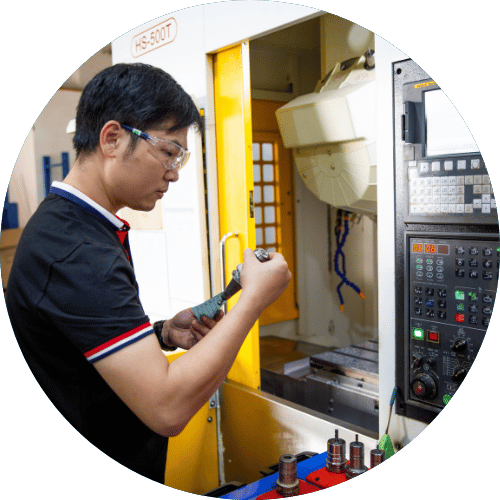
Injection molds play a pivotal role in manufacturing, enabling the mass production of precise and consistent components across numerous industries. Their efficiency and versatility have made them the backbone of modern production lines, shaping everything from automotive parts to consumer goods. Maximizing mold lifespan not only reduces costs by minimizing repairs and replacements but also supports sustainability by lowering material waste and energy use. By understanding how to extend the durability of injection molds, manufacturers can achieve greater productivity while aligning with environmentally responsible practices.
Understanding Injection Mold Life Expectancy
Defining Mold Life Expectancy in Terms of Cycles
Injection mold life expectancy refers to the number of production cycles a mold can complete before it requires significant maintenance, repair, or replacement. A cycle begins when the mold closes, the material is injected, and the finished part is ejected. Manufacturers often measure mold durability in terms of these cycles, as it provides a clear and quantifiable metric for performance. For example, a high-quality mold designed for long-term use may last for millions of cycles, while a lower-grade mold might only endure a few hundred thousand. This metric enables manufacturers to plan production schedules, estimate costs, and maintain consistent product quality over time.
Several factors influence the life expectancy of mold, including the material used to construct the mold, the type of plastic being processed, and the operating conditions. High-performance molds made from hardened steel typically last longer than those made from aluminum or softer materials. Additionally, abrasive or corrosive plastics can wear down molds faster, especially if the mold lacks proper coatings or surface treatments. By understanding these variables, manufacturers can make informed decisions to optimize mold performance and longevity.
The Importance of Mold Classification Standards
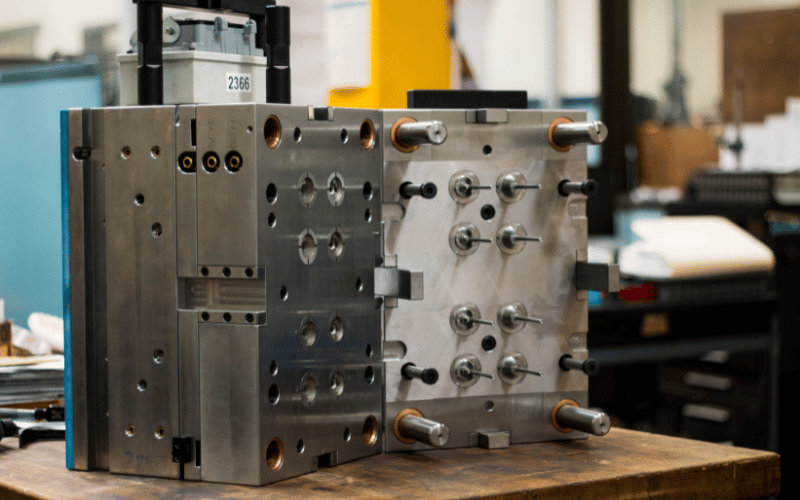
Mold classification systems, such as those established by the Society of the Plastics Industry (SPI), play a crucial role in defining and standardizing mold life expectancy. These classifications categorize molds based on their intended production volume, material, and durability. For instance, SPI Class 101 molds are designed for high-volume production and can exceed one million cycles. In contrast, Class 105 molds are suitable for prototype or low-volume runs, typically lasting fewer than 500 cycles.
Adhering to these classifications enables manufacturers to select the right mold for their specific needs, striking a balance between upfront costs and long-term performance. A Class 101 mold may require a higher initial investment but offers greater durability and lower maintenance costs over time. On the other hand, a Class 105 mold provides a cost-effective solution for short-term projects or product testing. By aligning mold selection with production goals, businesses can achieve better cost-efficiency and reduce the risk of unexpected downtime or quality issues.
Understanding mold classification also aids in communication between manufacturers and mold makers. Clear expectations regarding mold performance and lifespan ensure that both parties work toward a common goal, minimizing misunderstandings and optimizing the production process.
Key Factors That Impact Mold Longevity
Material Quality: The Foundation of Mold Durability
The material used to construct a mold has a significant impact on its lifespan and performance. High-grade steel molds, for example, offer exceptional durability and can withstand millions of production cycles. These molds resist wear and deformation, making them ideal for high-volume manufacturing. In contrast, aluminum molds, while more affordable and easier to machine, typically have a shorter lifespan. They suit low-volume production or prototyping but may struggle under the demands of abrasive materials or high-pressure injection processes. Manufacturers must carefully evaluate the trade-offs between cost and durability when selecting mold materials, as this decision directly influences long-term efficiency and maintenance needs.
Material coatings and treatments also play a critical role in extending mold life. Applying protective layers, such as chrome or nickel plating, can enhance resistance to corrosion and abrasion. These treatments reduce surface wear, especially when processing materials with glass fibers or other abrasive additives. By investing in high-quality materials and protective coatings, manufacturers can significantly improve mold performance and reduce the frequency of repairs.
Mold Design and Complexity: Balancing Functionality and Longevity
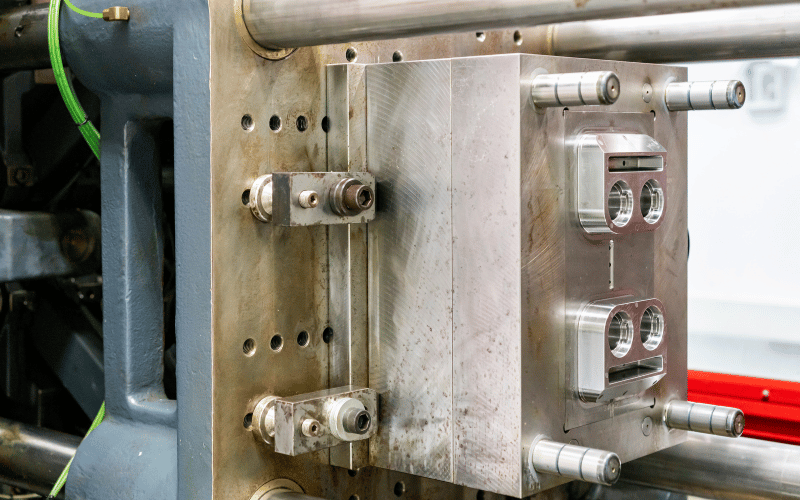
The design and complexity of a mold directly impact its durability and maintenance requirements. Simple molds with fewer moving parts generally last longer because they experience less mechanical stress and wear. In contrast, complex molds with intricate geometries, multiple cavities, or advanced features like slides and lifters face higher risks of damage. These additional components introduce more points of potential failure, requiring careful engineering and precision manufacturing to ensure reliability.
Designing molds with durability in mind involves optimizing features such as wall thickness, cooling channels, and venting systems. For instance, uniform wall thickness reduces stress concentrations, while efficient cooling channels prevent overheating and thermal fatigue. Proper venting minimizes pressure buildup, which can otherwise lead to part defects and mold damage. By prioritizing robust design principles, manufacturers can create molds that balance functionality with long-term performance.
Operating Environment and Production Conditions: The Hidden Influencers
The conditions under which a mold operates can dramatically affect its lifespan. High injection pressures, elevated temperatures, and rapid cycle times increase wear and tear, especially if the mold lacks adequate cooling or lubrication. Abrasive or corrosive materials, such as those containing glass fibers or flame retardants, further accelerate degradation. Manufacturers must carefully monitor and control these variables to protect their molds and maintain consistent production quality.
Environmental factors, such as humidity and exposure to chemicals, also contribute to mold wear. Corrosive environments can lead to rust and pitting, particularly in molds made from untreated steel. Implementing proper storage practices, such as using desiccants or rust inhibitors, helps mitigate these risks. Additionally, maintaining stable production conditions reduces thermal and mechanical stress, ensuring that molds perform reliably over time.
Maintenance Practices and Surface Treatments: The Key to Longevity
Regular maintenance and surface treatments play a pivotal role in extending mold life. Preventive maintenance, such as cleaning, lubrication, and inspection, helps identify and address issues before they escalate into costly repairs. For example, removing residue buildup from vents and cavities prevents part defects and reduces the risk of mold damage. Lubricating moving parts minimizes friction and wear, ensuring smooth operation and prolonging component life.
Surface treatments, such as nitriding or PVD (Physical Vapor Deposition) coatings, enhance mold durability by improving hardness and resistance to wear. These treatments create a protective barrier that shields the mold from abrasive materials and high temperatures. By combining routine maintenance with advanced surface treatments, manufacturers can optimize mold performance and minimize downtime, ultimately achieving greater cost efficiency and productivity.
Common Injection Molding Defects and Their Impact on Mold Longevity
Flow Lines: Indicators of Uneven Material Flow
Flow lines appear as streaks, patterns, or discoloration on the surface of molded parts, often caused by uneven material flow or temperature variations during the injection process. These defects not only compromise the aesthetic quality of the product but also signal potential issues within the mold. Uneven flow can result from poorly designed gates, inadequate cooling systems, or improper injection speeds. Over time, these conditions place additional stress on the mold, particularly in areas where material flow is restricted or inconsistent.
When flow lines persist, they can lead to localized wear on the mold surface, especially near gates or sharp corners. Repeated stress in these areas may cause microcracks or erosion, reducing the mold’s overall durability. Addressing flow line issues early by optimizing gate design, improving cooling efficiency, and fine-tuning injection parameters can prevent long-term damage and extend the mold’s operational life.

Sink Marks: A Sign of Insufficient Packing Pressure
Sink marks, which appear as depressions or dimples on the surface of molded parts, occur when the material inside the mold cools and shrinks unevenly. Insufficient packing pressure, inadequate cooling, or overly thick sections in the part design often cause this defect. While sink marks primarily affect the visual and structural integrity of the product, they also indicate potential stress points within the mold.
Repeated cycles with sink mark issues can lead to uneven pressure distribution across the mold, causing localized wear or deformation. For example, areas with insufficient cooling may experience thermal fatigue, while high-pressure zones may suffer from mechanical stress. By addressing the root causes of sink marks—such as optimizing cooling channels, adjusting packing pressure, or redesigning thick sections—manufacturers can not only improve part quality but also protect the mold from premature wear.

Flash: Excess Material That Signals Mold Misalignment
Flash occurs when molten material escapes from the mold cavity and solidifies along the edges of the part, creating thin, unwanted layers of plastic. This defect often results from mold misalignment, worn-out parting lines, or excessive injection pressure. While flash may seem like a minor issue, it can have significant implications for mold longevity.
When flash forms repeatedly, it can erode the mold’s parting surfaces or damage the alignment of the mold halves. Over time, this wear can worsen the misalignment, leading to more severe defects and higher maintenance costs. Additionally, removing flash from parts increases production time and labor expenses, further impacting overall efficiency. To prevent flash, manufacturers should regularly inspect and maintain mold alignment, repair worn parting lines, and optimize injection pressure settings.

The Cumulative Impact of Defects on Mold Lifespan
Defects like flow lines, sink marks, and flash not only affect the quality of molded parts but also place additional strain on the mold itself. Each defect signals underlying issues—such as uneven pressure, poor cooling, or misalignment—that can accelerate mold wear and reduce its lifespan. Ignoring these problems can lead to frequent repairs, higher maintenance costs, and unexpected downtime.
By addressing defects proactively, manufacturers can protect their molds from unnecessary stress and ensure consistent production quality. Regular maintenance, design optimization, and process adjustments play a crucial role in minimizing defects and extending the operational life of injection molds.
Proven Strategies to Maximize Mold Longevity
Implementing Regular Maintenance Schedules and Best Practices
Consistent maintenance plays a critical role in extending the lifespan of injection molds. Regular inspections help identify wear, residue buildup, or minor damage before these issues escalate into costly repairs. Cleaning the mold after every production run removes plastic residue, vent clogs, and contaminants that can degrade the mold surface over time. Lubricating moving components, such as ejector pins and slides, reduces friction and prevents premature wear.
Establishing a preventive maintenance schedule ensures that all critical areas of the mold receive attention. For example, inspecting cooling channels for blockages or corrosion helps maintain efficient heat transfer, while checking parting lines for wear prevents misalignment and flash formation. By adhering to a structured maintenance plan, manufacturers can minimize downtime, reduce repair costs, and keep molds operating at peak performance.
Leveraging Advanced Coatings and Treatments
Applying advanced coatings and surface treatments enhances mold durability and resistance to wear. Coatings like titanium nitride (TiN) or diamond-like carbon (DLC) create a hard, protective layer that shields the mold from abrasive materials and high temperatures. These treatments reduce surface friction, which minimizes wear on critical areas such as cavities, cores, and gates.
Nitriding and PVD (Physical Vapor Deposition) treatments further enhance mold performance by increasing surface hardness and corrosion resistance. These enhancements prove especially valuable when processing materials with glass fibers, flame retardants, or other additives that accelerate mold wear. By investing in the right coatings and treatments, manufacturers can significantly extend mold life while maintaining consistent part quality.
Optimizing Injection Parameters for Reduced Stress
Fine-tuning injection parameters, such as pressure, temperature, and cycle time, reduces the mechanical and thermal stress on molds. Excessive injection pressure can cause unnecessary strain on the mold, leading to cracks or deformation over time. Similarly, operating at excessively high temperatures accelerates thermal fatigue, especially in molds without adequate cooling systems.
Manufacturers can optimize these parameters by analyzing production data and conducting regular process audits to ensure optimal performance. For instance, reducing injection speed or pressure to the minimum required for part quality minimizes stress on the mold. Ensuring uniform cooling across the mold prevents localized overheating, which can lead to warping or surface damage. By maintaining balanced and efficient injection settings, manufacturers protect their molds from unnecessary wear and extend the operational lifespan of their molds.
Practicing Proper Storage and Handling Techniques
Proper storage and handling of molds between production runs play a vital role in preserving their condition. Storing molds in a clean, dry environment prevents rust and corrosion, especially for steel molds. Using rust inhibitors or desiccants adds an extra layer of protection against moisture. Covering molds with protective sheets or cases shields them from dust, debris, and accidental damage.
When handling molds, manufacturers should use appropriate lifting equipment to avoid dropping or misaligning components. Mishandling can lead to cracks, dents, or misalignment, which compromise mold performance and longevity. Additionally, storing molds in a controlled environment with stable temperature and humidity levels prevents thermal expansion or contraction, which can cause stress over time. By prioritizing proper storage and handling, manufacturers ensure their molds remain in optimal condition for future use.
Innovative Technologies to Enhance Mold Longevity
Emerging Materials and Coatings: Pushing the Boundaries of Durability
Advancements in materials and coatings have revolutionized the way manufacturers approach mold longevity. High-performance alloys and hybrid materials now offer superior strength, wear resistance, and thermal stability compared to traditional steel or aluminum molds. For instance, beryllium-copper alloys provide excellent thermal conductivity, reducing cycle times and minimizing thermal stress on the mold. These materials also resist corrosion, making them ideal for applications involving abrasive or chemically reactive plastics.
Coatings have also evolved to meet the demands of modern manufacturing. Diamond-like carbon (DLC) coatings, for example, create an ultra-hard, low-friction surface that protects molds from wear and abrasion. Similarly, ceramic-based coatings enhance resistance to high temperatures and chemical exposure, ensuring that molds maintain their integrity even under extreme conditions. Manufacturers can now tailor coatings to specific production needs, such as processing glass-filled plastics or flame-retardant materials, to maximize mold performance and lifespan.
By combining advanced materials with cutting-edge coatings, manufacturers can significantly reduce maintenance requirements and extend the operational life of their molds. These innovations not only improve durability but also enhance production efficiency by minimizing downtime and ensuring consistent part quality.
Smart Molds with Integrated Sensors: The Future of Predictive Maintenance
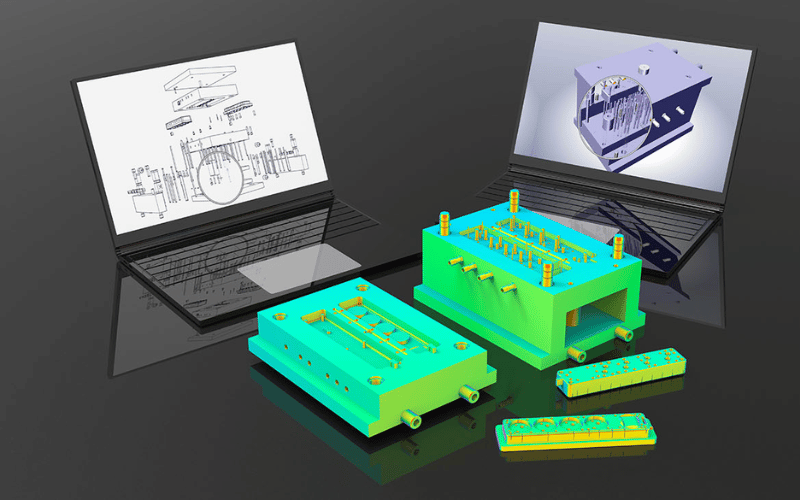
Smart molds equipped with integrated sensors have transformed the way manufacturers monitor and maintain their tools. These sensors collect real-time data on critical parameters such as temperature, pressure, and cycle times, providing valuable insights into mold performance. By analyzing this data, manufacturers can identify potential issues—such as uneven cooling, excessive wear, or misalignment—before they lead to costly repairs or production delays.
Predictive maintenance, enabled by smart molds, allows manufacturers to address problems proactively rather than reactively. For example, sensors can detect early signs of wear on ejector pins or parting lines, prompting timely maintenance to prevent further damage. This approach not only extends mold life but also reduces unplanned downtime, ensuring smoother production schedules.
Smart molds also enhance process optimization by providing detailed feedback on injection parameters. Manufacturers can use this data to fine-tune settings, such as injection speed or cooling time, to minimize stress on the mold and improve part quality. Additionally, integrating smart molds with IoT (Internet of Things) platforms enables remote monitoring and data analysis, allowing teams to make informed decisions from anywhere.
By adopting smart mold technology, manufacturers gain a competitive edge through improved efficiency, reduced maintenance costs, and longer mold lifespans. These innovations represent a significant step forward in sustainable and cost-effective manufacturing practices.
Case Studies and Real-World Examples of Mold Longevity Success
How a Consumer Electronics Manufacturer Reduced Costs with Advanced Coatings
A leading consumer electronics company faced frequent mold wear due to the abrasive nature of the flame-retardant plastics used in their products. The molds required frequent repairs, leading to increased downtime and higher maintenance costs. To address this issue, the company partnered with a surface treatment provider to apply diamond-like carbon (DLC) coatings to their molds. These coatings significantly improved resistance to abrasion and reduced surface friction, allowing the molds to handle the demanding material without excessive wear.
After implementing the coatings, the company extended the lifespan of their molds by over 40%, reducing maintenance frequency and associated costs. The improved durability also allowed for longer production runs, increasing overall efficiency. This case highlights how investing in advanced coatings can deliver substantial cost savings and operational benefits.
Automotive Supplier Optimizes Mold Performance with Predictive Maintenance
An automotive parts supplier struggled with unexpected mold failures that disrupted production schedules and delayed deliveries. To solve this problem, the company integrated smart molds equipped with sensors to monitor temperature, pressure, and cycle times. The sensors provided real-time data, enabling the team to identify early signs of wear or misalignment.
Using predictive maintenance strategies, the supplier addressed issues before they escalated, reducing unplanned downtime by 30%. The data also helped optimize injection parameters, minimizing stress on the molds and further extending their lifespan. This example demonstrates how smart mold technology can transform maintenance practices and improve production reliability.
Medical Device Manufacturer Achieves Sustainability Goals with Material Upgrades
A medical device manufacturer sought to reduce waste and improve sustainability in their production process. Their existing aluminum molds wore out quickly, leading to frequent replacements and increased material waste. The company switched to high-performance steel molds with enhanced thermal conductivity, which allowed for faster cycle times and reduced thermal stress.
The new molds lasted three times longer than the aluminum ones, significantly lowering material consumption and waste. Additionally, the improved durability aligned with the company’s sustainability goals while delivering better ROI. This case underscores the importance of selecting the right materials to achieve both environmental and financial benefits.
Conclusion: Take Proactive Steps for Long-Term Success
Proactive measures, such as regular maintenance, advanced coatings, smart mold technology, and material upgrades, play a critical role in extending mold lifespan and improving production efficiency. These strategies not only reduce costs but also enhance sustainability and operational reliability.
Start implementing these proven practices today to maximize your return on investment and ensure long-term success in your manufacturing operations.