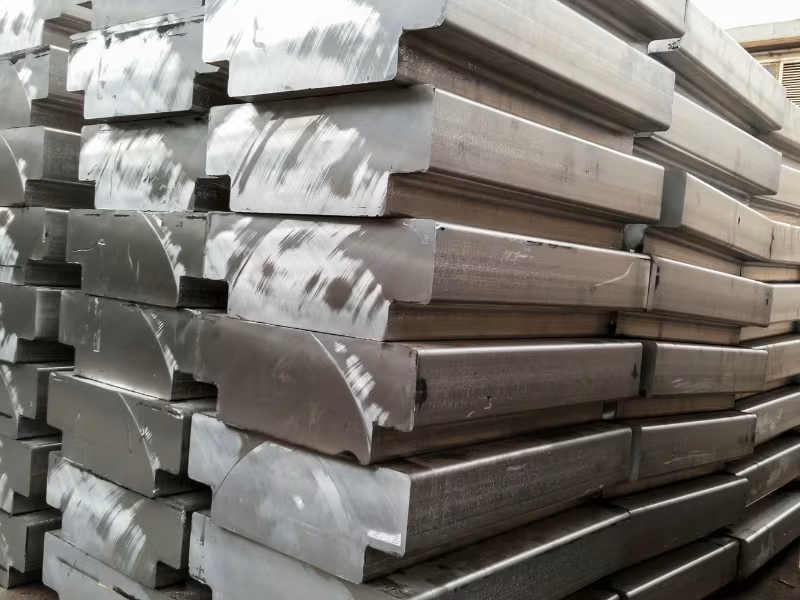
You tear off a sheet of foil and notice one side shines while the other looks dull and gray. Then you spot a black aluminum pan in a store, or a car wheel that looks more like chrome than aluminum. Aluminum causes this kind of confusion all the time.
The key point is simple: aluminum’s color depends more on its surface than on the metal itself. In this guide, I will help you recognize what you are seeing, compare aluminum with similar metals, and choose the right finish with more confidence.
The Short Answer: Silvery-White Metal, Silver-Gray in Real Life
Aluminum is a silvery-white metal with a bright luster, but most aluminum you see looks silver-gray because of its surface.
When I cut a fresh aluminum bar in the shop, the new face flashes silvery-white. It carries a slight cool, bluish tint. Put it next to sterling silver, and the silver looks warmer and creamier.
Fresh aluminum reflects about 90% of visible light. Only silver reflects more. That high reflectivity explains why aluminum appears in telescope mirrors, lamp reflectors, and many optical surfaces.
Most aluminum parts do not stay that bright in daily use. The metal itself does not change color in a dramatic way. The surface changes first.
Three things shape the color you actually see:
- Aging: Air, moisture, and grime slowly build a haze.
- Texture: Rolling marks, brushing, and wear scatter light.
- Coatings: Anodizing, paint, and clear coats shift the tone.
If you want to judge aluminum correctly, judge the surface before the metal.
In one line: aluminum is naturally silvery-white, but in real life it usually looks silver-gray.
Why Aluminum Usually Looks Gray Instead of Bright Silver
Fresh aluminum reacts with air almost at once. It forms a very thin aluminum oxide film. That film is transparent by itself, so it does not instantly turn the metal gray.
The gray look builds over time. I usually trace it to four causes:
- Surface roughness
- Thicker oxide
- Dirt and grime
- Micro-scratches
Each one breaks up reflected light. Instead of a clean bright reflection, your eye sees a softer and duller gray.
Metals look silver because their free electrons reflect most visible wavelengths in a fairly even way. Your eye does not pick up one strong color, so the surface reads as metallic silver or gray.
A quick scratch test proves the point. Scratch a dull raw aluminum part on a hidden edge, and the line underneath often flashes bright silver. The gray sat on the surface. The metal under it stayed bright.
How Aluminum’s Color Changes as It Ages
The surface usually follows a clear pattern.
A fresh cut looks bright and silvery-white. An older indoor part turns soft silver-gray. An outdoor part often shifts to a flatter, duller gray after exposure to rain, dust, and sun.
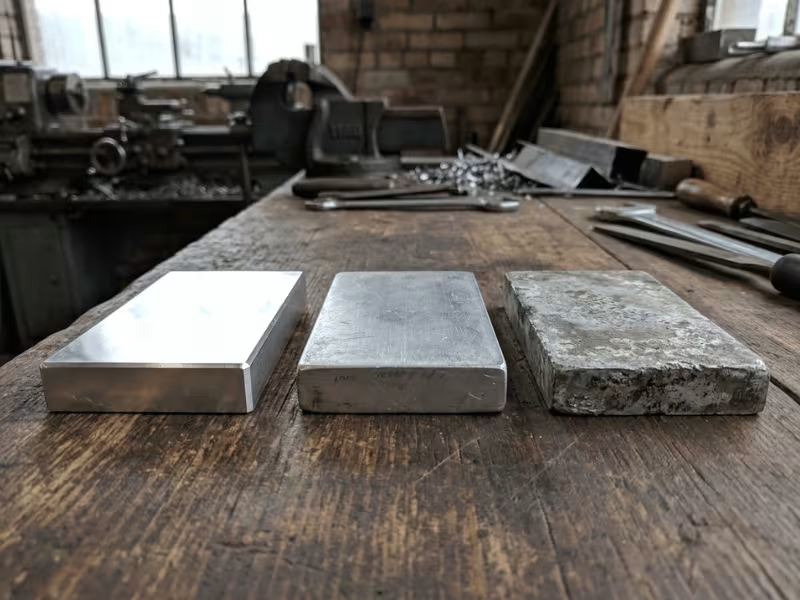
If you see a white chalky film, you are usually looking at heavy oxidation or hydroxide buildup. Salt air, trapped moisture, and neglected cleaning often cause it. If you see dark spots and pits, corrosion has started. I often find that around contact points where aluminum touches steel or copper.
| Condition | What You See | Cause | Can It Be Restored? |
|---|---|---|---|
| Fresh cut | Bright silvery-white | Clean new surface | Already at its best |
| Aged indoor | Soft silver-gray | Light oxide and dust | Yes, often with mild cleaning and polish |
| Weathered outdoor | Dull flat gray | UV, grime, moisture, micro-scratches | Often yes, with deeper cleaning and refinishing |
| Chalky white | White powdery film | Heavy oxidation or hydroxide buildup | Usually, if cleaned and sealed in time |
| Corroded | Dark spots and pits | Active corrosion, sometimes galvanic | Partly; pits often remain |
If you work with machined aluminum components, surface aging also matters after production. A part can leave the machine bright and uniform, then lose that look if the finish doesn’t match the environment it’s used in. That is one reason many buyers compare raw parts with finished parts when reviewing a CNC machining surface finish.
How Surface Finish Changes Aluminum’s Color
Finish changes aluminum more than almost anything else. I have seen two parts made from similar stock look like completely different metals just because the finishing steps changed.
Start with the quick comparison below.
| Finish | Typical Color/Look | How It’s Made | Common Uses | How Long the Look Lasts |
|---|---|---|---|---|
| Mill finish | Light gray, uneven sheen | Left as rolled or extruded | Structural parts, trailers, utility parts | Dulls quickly outdoors |
| Polished | Mirror-bright silver | Buffed with abrasives and compounds | Wheels, trim, reflectors | Hazes fast without protection |
| Brushed | Satin gray with fine lines | Abraded in one direction | Appliances, panels, electronics | Holds up well indoors |
| Anodized | Matte silver, dyed colors, or dark gray | Electrochemical oxide growth | Frames, electronics, cookware | Long-lasting when sealed well |
| Painted / powder-coated | Any color | Coated over the metal surface | Siding, furniture, enclosures | Long-lasting, but coating can chalk or chip |
The table gives the fast answer. The real value shows up when you look closer at each finish.
Mill Finish: Aluminum in Its Most Basic State
Mill finish is aluminum as it comes from rolling or extrusion. It usually looks light gray with a slightly uneven sheen. You may also see faint production lines.
This surface has no extra protection. It loses its fresh look faster than other finishes. Outdoors, it often turns flatter and duller within a relatively short time.
Polished: Bright Enough to Fool the Eye
Polished aluminum can look almost like chrome at first glance. A good polish creates a bright silver reflection with a smooth mirror effect.
That look needs care. If you leave polished aluminum unprotected, it can haze within months. Regular polishing brings the shine back, but it adds maintenance.
Brushed: Soft, Clean, and Practical
Brushed aluminum has fine directional lines and a softer satin gray appearance. I often recommend it when clients want a clean technical look without the upkeep of a mirror polish.
It also hides fingerprints and light scratches better than polished metal. That makes it a common choice for appliances, laptops, and decorative panels.
Anodized: Color Built Into the Surface
Anodizing changes the oxide layer in a controlled way. It grows a thicker porous oxide layer from the aluminum itself, so the finish becomes part of the surface instead of sitting on top like paint.
That gives aluminum several different looks:
- Clear anodized: matte silver-gray
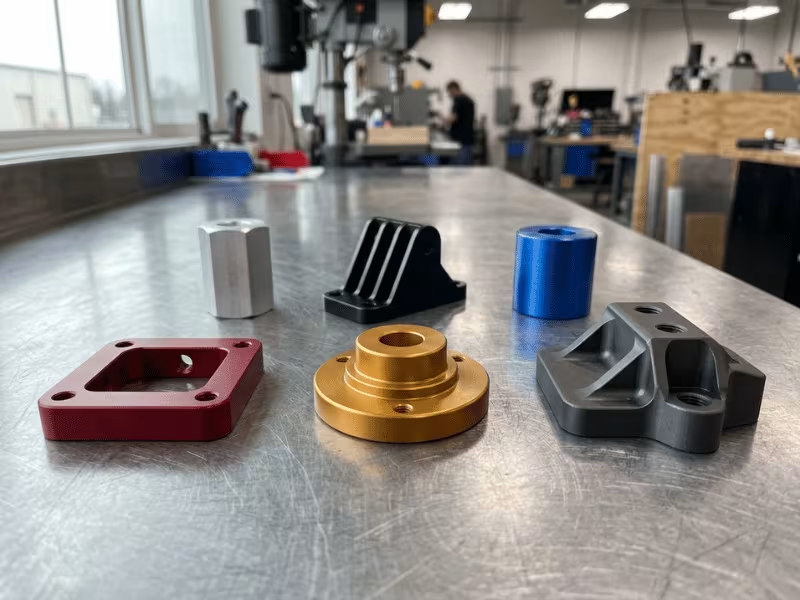
- Dyed anodized: black, blue, red, gold, and other colors with metallic depth
- Hard anodized: dark gray to near-black without dye in many cases
If your project needs a stable, durable appearance, anodizing often gives the best balance of looks and performance. For many custom parts, buyers review finish options at the same time they review Aluminum CNC Machining Service, because alloy choice and finish choice affect the final appearance together.
Painted and Powder-Coated: Full Color Control
Paint and powder coating hide the aluminum underneath. Once coated, aluminum can appear white, black, bronze, red, green, or almost any other color.
If I need to identify coated aluminum quickly, I inspect a chip, scratch, or worn edge. Bright silver underneath is a strong clue that the base metal is aluminum.
Why the Same Finish Looks Different on Different Alloys
This point matters more than many buyers expect. The alloy under the finish affects the final color, especially after anodizing.
- 6063 usually anodizes clean and bright. That is why it appears so often in architectural frames.
- 5xxx alloys often anodize bright and slightly whiter.
- 2xxx alloys can show a yellowish or muddy tone.
- High-silicon cast alloys often turn gray to charcoal.
If you want a matching set, do not specify only the finish. Specify the alloy too. Mixed alloys in one anodizing batch often come out visibly different. I have seen buyers blame the finisher when the real issue started with mixed base materials.
What Color Is Aluminum in Everyday Objects?
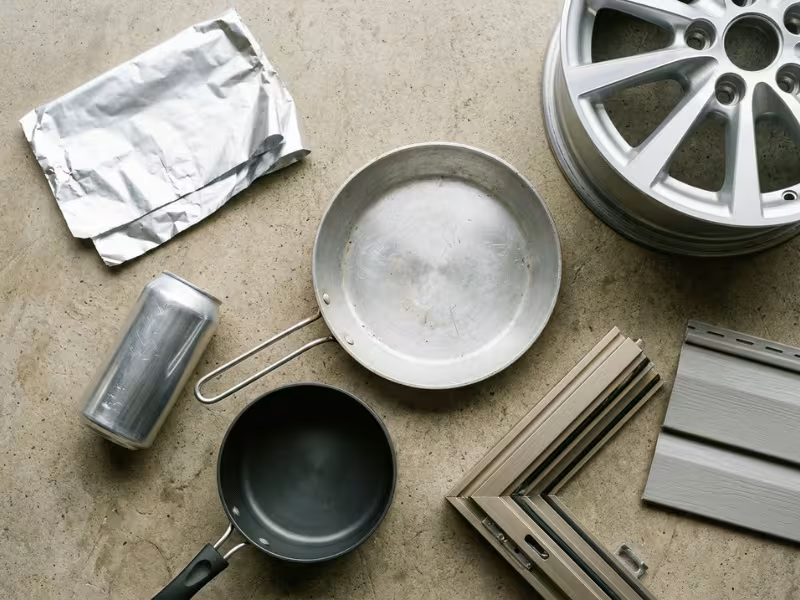
Most people do not meet aluminum as a raw lab sample. They meet it in foil, cookware, cans, wheels, frames, and siding. That is where confusion starts.
A real object tells you more than a textbook definition, because each object carries its own finish and wear pattern.
Aluminum Foil: Why One Side Is Shiny and One Is Dull
Foil gets extremely thin during rolling. In the final pass, manufacturers roll two sheets together.
The side that touches the polished steel rollers comes out shiny. The side that presses against the other sheet comes out dull.
That difference does not mean one side works better for normal cooking. In most cases, both sides perform the same. Non-stick foil is the main exception. There, the coated side matters.
Aluminum Cans
A beverage can is silver aluminum underneath the printing and exterior coating. If you scratch through the outer graphics, bright metal appears.
Inside the can, you do not see bare aluminum touching the drink. Manufacturers use a polymer liner to protect the contents and control the interaction between liquid and metal.
Aluminum Cookware
Cookware creates a lot of confusion because aluminum can appear in several very different forms.
- Raw aluminum cookware usually looks light gray at first.
- Hard-anodized cookware usually looks dark gray to black.
- Non-stick cookware gets its color from the coating, not the aluminum itself.
Raw aluminum pans often darken after dishwashing. The reason is simple. Dishwasher detergents are strongly alkaline. They attack the natural surface film and leave a darker, duller appearance behind.
Wheels, Window Frames, and Siding
Wheels, frames, and siding show how strongly finish controls color.
Wheels: Polished wheels can look bright silver and almost chrome-like. Clear-coated wheels hold a more stable silver over time.
Window frames: Many use clear or bronze anodized 6063 aluminum. That gives them an even silver-gray or brown-bronze look.
Siding: Painted aluminum siding can be almost any color. As the coating ages, it may turn chalky. That chalk usually comes from paint breakdown, not from the aluminum underneath.
If you compare these everyday products side by side, the lesson stays the same: when aluminum looks different, the finish usually explains it first.
Aluminum vs. Other Metals: How to Tell Them Apart by Color
People often confuse aluminum with silver, stainless steel, chrome, or titanium. Color helps, but color alone can mislead you. I always pair color with reflectivity, weight, and surface behavior.
| Metal | Color Tone | Reflectivity | Relative Weight | Magnetic? | How It Ages |
|---|---|---|---|---|---|
| Aluminum | Cool silver-white to silver-gray | High when polished, softer when dull | Light | No | Turns dull gray or chalky white |
| Silver | Warmer bright white | Extremely high | Much heavier than aluminum | No | Tarnishes yellow-brown to black |
| Stainless steel | Slightly darker, warmer gray | Medium to high | Much heavier than aluminum | Sometimes | Usually stays stable |
| Chrome | Deep bluish mirror | Very sharp reflection | Depends on base metal | Often yes over steel | Can pit or peel when damaged |
| Titanium | Darker warmer gray | Lower sheen | Heavier than aluminum, lighter than steel in some uses | No | Stable, may show heat tints |
Here is the fastest visual cue for each one.
Silver: Warmer and whiter than aluminum. It tarnishes dark. Aluminum usually goes gray or chalky instead.
Stainless steel: Slightly darker and denser in appearance. If brushed stainless and brushed aluminum look close, weight usually settles the question. If you often compare the two in fabricated or machined parts, it also helps to review how Stainless Steel CNC Machining Services present a different base look and feel from aluminum before finishing.
Chrome: Sharper and more liquid-looking in reflection. It often looks deeper and bluer than polished aluminum.
Titanium: Darker and warmer gray. It may show rainbow heat tints, which aluminum usually does not.
When visual clues conflict, trust physical clues more than surface color.
How to Identify Aluminum: A Quick 5-Step Check
You can identify many aluminum parts in about a minute with simple household tools. I use this quick sequence all the time.
- Look
Check for a cool silver-gray or dull gray tone. Aluminum does not produce red-brown rust. White chalky areas are more typical. - Lift
Aluminum feels light for its size. Compared with steel, it usually surprises people with how little it weighs. - Use a magnet
Aluminum does not stick to a magnet. Some stainless grades also resist magnets, so do not stop here. - Scratch a hidden area
Aluminum is softer than steel. A key or hard edge often marks it easily, and bright metal appears underneath. - Rub the surface
On bare aluminum, a cloth or fingertip may pick up a faint gray smudge. That comes from the oxide layer and fine surface wear.
For painted or anodized parts, skip color alone and rely more on weight, magnet response, and a careful hidden-edge inspection.
Choosing an Aluminum Finish for the Look You Want
If appearance matters, choose the finish based on the real environment, not just the sample photo.
| Use Case | Recommended Finish | Resulting Look | Why It Works |
|---|---|---|---|
| Kitchen and cookware | Hard anodized | Dark gray to near-black | Durable and stable |
| Outdoor and coastal | Powder coat or thick anodizing | Any color or matte metallic look | Better resistance to salt and moisture |
| Electronics and consumer products | Bead-blasted + anodized | Smooth premium matte look | Hides prints and takes color evenly |
| Automotive trim and wheels | Polished with clear coat or painted | Bright silver or custom color | Balances appearance and upkeep |
| Architectural | Clear or bronze anodized 6063 | Even silver-gray or bronze | Good color consistency |
I see two common mistakes.
First, buyers choose mill finish for harsh outdoor use because it costs less at the start. Later, they deal with chalking, discoloration, and surface complaints.
Second, designers want a premium anodized look but skip proper surface prep. Tool marks then show through the finish. A uniform prep step makes a major difference.
For care, keep the rules simple. Wash with mild soap and warm water. Dry with a soft cloth. Avoid harsh alkaline cleaners. Keep raw and anodized aluminum out of the dishwasher if you want the finish to last.
FAQs
What color is pure aluminum?
Pure aluminum looks brighter and whiter than many common alloys. It still carries a cool metallic tone rather than the warmer tone you see in silver. Once surface texture, alloying elements, and oxidation enter the picture, that bright look softens into a more common silver-gray.
Why does aluminum turn white or chalky?
White chalky buildup usually comes from heavy oxidation or hydroxide formation on the surface. Moisture, salt, dirt, and poor drainage make it worse. The powder often starts as a cosmetic issue, but if you ignore it long enough, deeper corrosion can follow.
Can aluminum be black, and is it painted or anodized?
Yes. Black aluminum can come from paint, powder coating, dyed anodizing, or hard anodizing. If you inspect a worn edge, paint may chip and reveal bright silver underneath. Anodized black usually keeps more metallic depth and resists peeling.
Is aluminum the same color as stainless steel?
Not quite. Aluminum usually looks lighter and cooler. Stainless steel usually looks darker and a bit warmer gray. Side-by-side comparison makes the difference easier to spot, especially if both surfaces share the same type of brushing or polish.
Does the shiny or dull side of aluminum foil matter?
For normal cooking, not in a meaningful way. The shiny side touched the roller. The dull side touched another sheet during production. Performance stays nearly the same in most uses. Non-stick foil is the main case where side choice matters.
Can you restore faded or oxidized aluminum to its original shine?
Often yes, if the aluminum is bare and not deeply pitted. Clean the surface first, remove light oxidation, polish it, and then protect it with wax or a clear coat. Deep pits usually remain visible. On anodized parts, aggressive polishing can damage the finish.
Final Thoughts
Aluminum is naturally silvery-white, but its finish decides what you actually see.
That is why one aluminum part looks bright, another looks dark gray, and another turns chalky white over time. If color matters in your project, do not specify only “aluminum.” Specify the alloy and the finish together. That small detail prevents mismatched parts and costly rework.