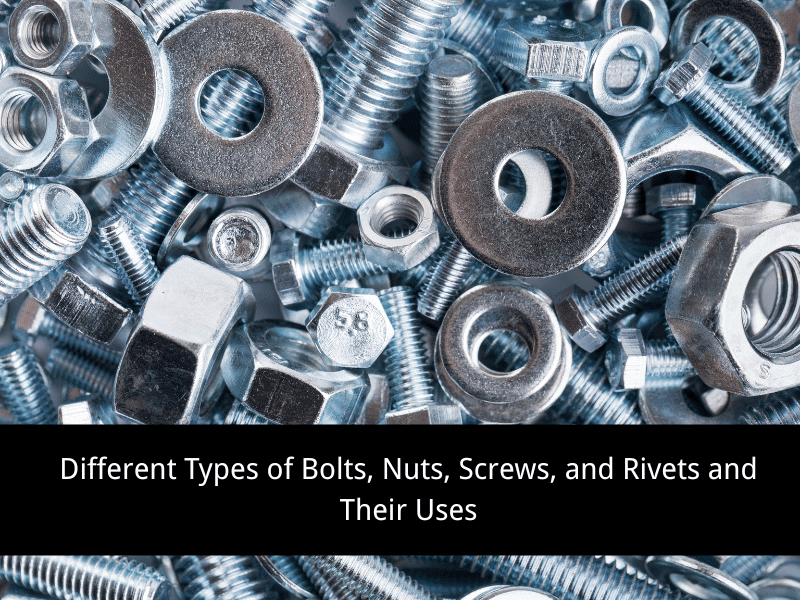
In construction, manufacturing, automotive work, and DIY projects, the right fastener can make the difference between a secure assembly and a weak connection. Bolts, nuts, screws, and rivets are used every day to join parts, hold structures together, and keep equipment working safely. While they may look simple, fasteners come in many forms, each designed for a specific purpose.
Some fasteners are made for permanent joints, while others are chosen so parts can be removed and replaced during maintenance. Some work best with wood, others with metal, plastic, or concrete. Their performance also depends on details such as thread design, material, coating, strength grade, and installation method. Because of this, choosing the right fastener is not just about size. It is about matching the fastener to the job.
Understanding the differences between common fastener types can help you work more efficiently, avoid failures, and improve the durability of your projects. Whether you are building furniture, assembling machinery, securing steel structures, or handling repairs in a workshop, it helps to know what each fastener does best.
In this blog post, we will explore different types of bolts, nuts, screws, and rivets, along with their uses, as well as the materials, finishes, and selection factors that matter most when choosing the right fastening solution.
Bolts: Types and Uses
Bolts are threaded fasteners designed to hold materials together, usually with a matching nut. They are commonly used where a strong, removable joint is needed, especially in structural work, machinery, vehicles, and equipment assembly. Bolts are available in many sizes, thread types, and strength grades, allowing them to handle everything from light-duty household tasks to heavy industrial applications. Here, we will explore three common types of bolts and their uses:
Hex Bolts
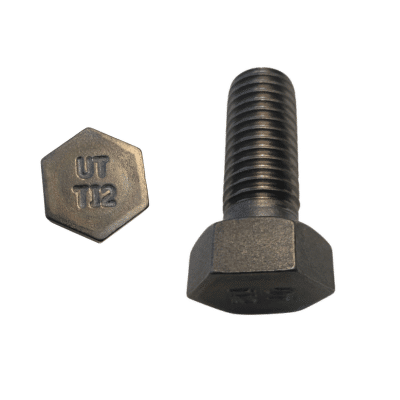
Hex bolts are among the most widely used fasteners in construction and mechanical assembly. They have a six-sided head that can be tightened with a wrench or socket, and they are commonly paired with hex nuts and washers. Because they are strong and easy to install, hex bolts are used in steel structures, machine frames, flanges, and heavy equipment.
These bolts are available in carbon steel, stainless steel, and alloy steel, with finishes that enhance corrosion resistance. Small standard hex bolts may cost only a few cents each, while larger structural or specialty-grade versions can cost several dollars per piece. Their broad size range makes them a reliable choice for both general repair and demanding engineering work.
Carriage Bolts
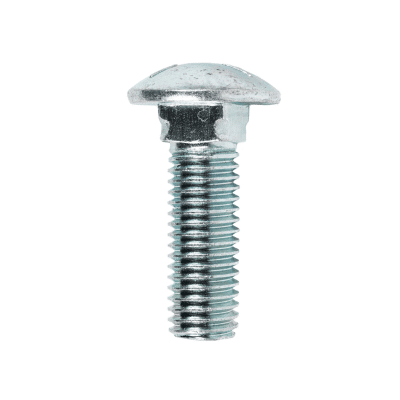
Carriage bolts are designed with a smooth, rounded head and a square neck just below the head. When inserted into wood or other soft material, the square section locks into place, preventing the bolt from turning as the nut is tightened. This feature makes carriage bolts especially useful for wood-to-metal or wood-to-wood connections.
They are commonly used in decks, fences, furniture, playground equipment, and agricultural assemblies where a smooth exposed head is preferred for safety and appearance. Carriage bolts are usually inexpensive, with small zinc-plated versions often sold in bulk at low prices, while larger stainless steel types for outdoor use are priced higher due to their better corrosion resistance.
Anchor Bolts
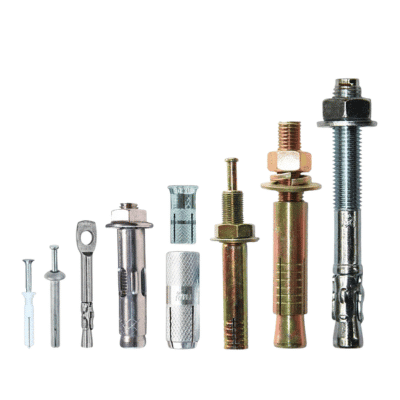
Anchor bolts are used to secure structures or equipment to concrete surfaces. They play an essential role in construction by fastening steel columns, machinery bases, shelving systems, and support frames to foundations, walls, or slabs. Some anchor bolts are cast into wet concrete, while others are installed later using expansion or adhesive systems.
Because they are often used in load-bearing or safety-critical applications, anchor bolts must be selected carefully based on embedment depth, diameter, and load requirements. Prices vary widely depending on size and type. Simple wedge anchors may cost less than a dollar each, while heavy-duty chemical anchor systems and large foundation bolts can cost much more in structural projects.
By understanding the different types of bolts and how they function, you can choose a fastening method that offers the right balance of strength, removability, and ease of installation. Bolts remain one of the most important fastening solutions across industries because they provide dependable holding power in a wide range of materials and working conditions.
Nuts: Types and Uses
Nuts are threaded fasteners used with bolts, studs, or threaded rods to clamp materials together securely. They are essential in fastening systems because they create the tension needed to hold parts in place. Nuts come in many shapes and designs, each suited to specific environments, load conditions, and maintenance needs. Here, we will explore three common types of nuts and their uses:
Hex Nuts
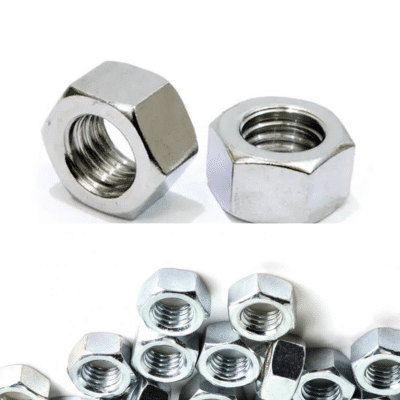
Hex nuts are the most common type of nut and are used with hex bolts, threaded rods, and studs in a wide range of applications. Their six-sided shape makes them easy to grip with standard wrenches and sockets, which helps speed up installation and removal. They are found in machinery, structural assemblies, vehicles, and general repair work.
Available in standard, heavy, fine-thread, and coarse-thread forms, hex nuts must match the bolt’s thread size and pitch to work properly. They are made from carbon steel, stainless steel, brass, and other materials, depending on the job. Standard hex nuts are low-cost items, often priced at only a few cents each, though specialty and high-strength versions cost more.
Wing Nuts
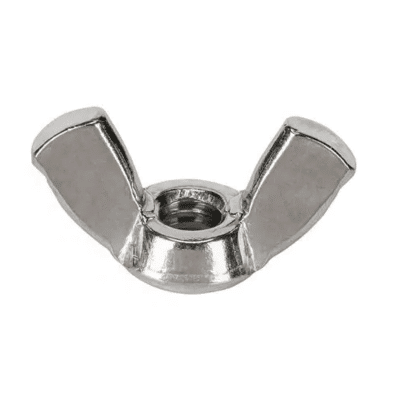
Wing nuts are designed for hand tightening and loosening without tools. Their two projecting “wings” allow users to grip and turn them quickly, which makes them useful in applications that require frequent adjustment or removal. While they are not intended for high-torque structural use, they are practical in light-duty assemblies and temporary fastening setups.
You will often see wing nuts on light fixtures, battery terminals, clamps, display equipment, and hobby projects. They are commonly made from steel, stainless steel, brass, or plastic, depending on the environment. Because they are simple to use and easy to remove, wing nuts are ideal when convenience matters more than maximum clamping force or vibration resistance.
Lock Nuts
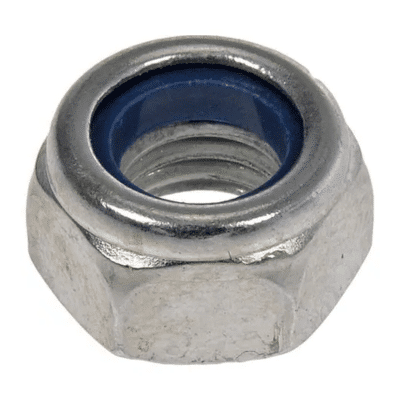
Lock nuts are designed to resist loosening in applications where vibration, movement, or repeated loading could cause standard nuts to back off over time. Some use a nylon insert, while others rely on distorted threads or specialized shapes to maintain grip on the bolt. This added security makes them valuable in automotive, machinery, and industrial equipment applications.
Lock nuts are often used on engines, pumps, trailers, rotating assemblies, and structural parts that are subject to constant motion. They cost more than standard hex nuts, but the extra holding security can prevent maintenance problems and equipment failures. When reliability is critical, choosing a lock nut that matches the bolt grade and operating environment is an important step.
By understanding the different types of nuts and their uses, you can build fastening systems that are not only secure but also practical for maintenance and service. The right nut improves joint performance, matches the demands of the application, and helps ensure that bolts and threaded assemblies perform as intended over time.
Screws: Types and Uses
Screws are highly versatile fasteners used to join materials by cutting or engaging threads as they are driven into place. Unlike bolts, many screws can be installed without a separate nut, which makes them convenient for woodworking, sheet metal work, electronics, and general assembly. They come in many head styles, drive types, and thread patterns for different materials and conditions. Here, we will explore three common types of screws and their uses:
Wood Screws
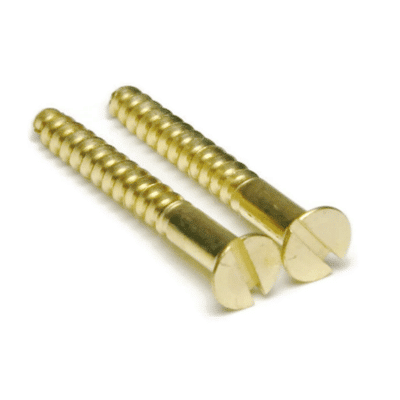
Wood screws are specifically designed for fastening wood pieces together. They usually have a sharp point, a tapered body, and coarse threads that grip wood fibers effectively without requiring a nut. Many wood screws also have smooth shanks near the head to help pull two pieces of wood tightly together during installation, improving the strength of the joint.
These screws are widely used in furniture making, cabinetry, framing, trim work, and home improvement projects. They are available in steel, brass, and stainless steel, with coatings for indoor and outdoor use. Standard wood screws are affordable and sold in bulk, while premium exterior or decorative versions may cost more due to improved corrosion resistance and finish quality.
Machine Screws
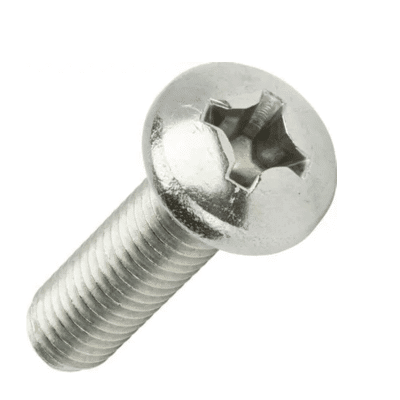
Machine screws are used in metal parts, threaded holes, and assemblies where precise fastening is required. They have a uniform diameter and finer threads than wood screws, allowing them to fit tapped holes or be used with matching nuts. Machine screws are common in electrical devices, appliances, automotive components, control panels, and machinery housings.
Because they are available in many head shapes and drive styles, machine screws can be selected to suit both function and appearance. They are typically made from steel, stainless steel, brass, or alloy materials. Small machine screws are inexpensive, but specialized versions with corrosion resistance, tamper-proof drives, or high-strength properties may cost noticeably more in technical applications.
Self-Tapping Screws
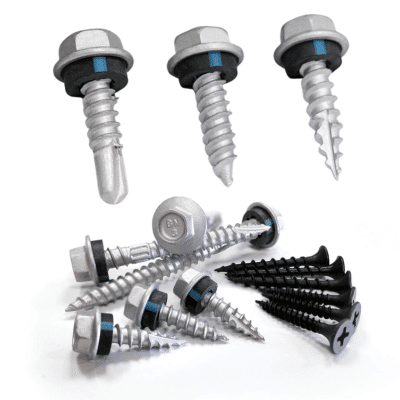
Self-tapping screws are designed to create their own threads as they are driven into materials such as sheet metal, plastic, or thin sections of wood. This feature reduces the need for pre-threaded holes and speeds up assembly. Some self-tapping screws require a pilot hole, while others are self-drilling and can penetrate light-gauge metal directly.
These screws are widely used in HVAC systems, metal enclosures, roofing, automotive trim, and appliance assembly. Their ability to simplify installation makes them popular in both production environments and repair work. Prices depend on size, coating, and material, but they are generally cost-effective fasteners for jobs where speed, ease of use, and reliable holding power are important.
By learning how different screws are designed to perform, you can choose fasteners that suit the material, reduce installation time, and improve the finished result. Screws remain essential because they offer flexibility across many kinds of projects, from simple household repairs to precise industrial assembly, where dependable fastening matters every day.
Rivets: Types and Uses
Rivets are permanent fasteners used to join materials by deforming one end of a metal pin or shaft after it is inserted through aligned holes. Once installed, a rivet creates a strong, lasting connection that cannot be easily removed without drilling it out. Rivets are widely used in industries where durability, vibration resistance, and tamper resistance are important. Here, we will explore three common types of rivets and their uses:
Solid Rivets
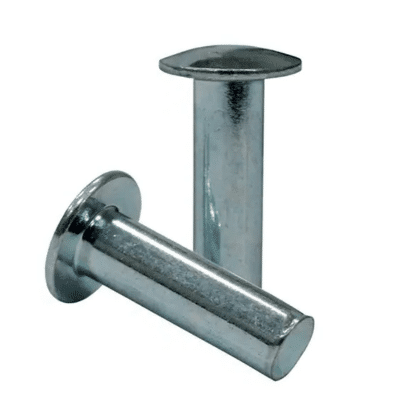
Solid rivets are one of the oldest and strongest types of rivets. They consist of a smooth shaft with a factory-formed head at one end, and are installed by forcing the opposite end to upset, creating a second head. Because of their strength and reliability, solid rivets are commonly used in aircraft structures, bridges, boilers, and heavy-duty metal assemblies.
Installing solid rivets usually requires access to both sides of the workpiece and the use of rivet guns, bucking bars, or presses. This process takes more skill than installing some modern fasteners, but it creates a very secure joint. Solid rivets are often made from aluminum, steel, or copper alloys, depending on the strength and corrosion demands of the application.
Blind Rivets
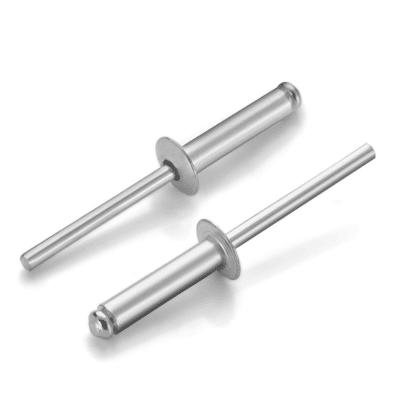
Blind rivets, often called pop rivets, are designed for fastening when only one side of the material is accessible. They consist of a hollow rivet body and a mandrel that is pulled through the body with a rivet tool. As the mandrel is drawn, the rivet expands and locks into place, creating a secure connection from one side.
Blind rivets are widely used in sheet metal work, ducting, appliances, vehicle panels, and light structural assemblies. They are popular because installation is quick, simple, and does not require access behind the joint. These rivets are available in aluminum, steel, and stainless steel, with prices ranging from very low bulk-unit costs to higher prices for sealed or structural-grade designs.
Tubular Rivets
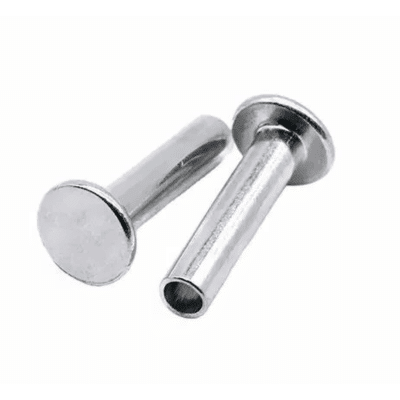
Tubular rivets have a partially hollow shank, which means they require less force to install than solid rivets. This makes them especially useful in lighter-duty assemblies where materials may be softer or thinner. The hollow end is flared during installation to hold the joined parts together, providing a neat, secure fastening without excessive deformation.
They are commonly used in leather goods, luggage, belts, brakes, light hardware, and small mechanical assemblies. Tubular rivets are often chosen when appearance, installation speed, and moderate holding power are important. They may be made from brass, aluminum, copper, or steel, depending on the application and the desired balance between cost, strength, and corrosion resistance.
By understanding how different rivets are installed and where they perform best, you can select a permanent fastening method that fits your project’s needs. Rivets remain essential in many industries because they provide dependable joints, withstand vibration, and often simplify assembly where welding or threaded fasteners may not be ideal.
Materials Used in Fasteners
The material used to make a fastener affects its strength, corrosion resistance, weight, and cost. Choosing the right material is just as important as choosing the right fastener type, because even a well-designed bolt or screw can fail if its material is not suited to the environment. Common fastener materials include steel, stainless steel, brass, and aluminum, each offering different advantages for specific applications.
Steel is one of the most widely used fastener materials because it provides high strength and good value. Carbon steel fasteners are common in construction, machinery, automotive work, and general manufacturing. They are often heat-treated for added hardness and strength, but untreated steel can rust quickly, which is why many steel fasteners are coated or plated for protection.
Stainless steel fasteners are valued for their corrosion resistance and clean appearance. They are commonly used in outdoor structures, marine equipment, food processing machinery, medical devices, and architectural applications. While stainless steel is usually more expensive than carbon steel, it performs well in wet or corrosive environments where rust could weaken a standard fastener or spoil the finished appearance.
Brass fasteners offer good corrosion resistance, electrical conductivity, and an attractive finish, making them popular in decorative hardware, electrical fittings, plumbing components, and marine trim. Aluminum fasteners are lightweight and corrosion-resistant, making them useful in aerospace, transportation, and light assembly applications. However, aluminum is not as strong as steel, so it is better suited to lower-load fastening situations.
Understanding fastener materials helps you match strength, durability, and environmental resistance to the job at hand. A construction project exposed to weather, an indoor furniture assembly, and a marine repair job will not all need the same material. By selecting wisely, you can improve service life, reduce maintenance, and avoid costly failures caused by rust, overload, or material incompatibility.
Coatings and Finishes for Fasteners
Coatings and finishes play an important role in fastener performance by improving corrosion resistance, extending service life, and sometimes enhancing appearance. Even when a fastener is made from a strong base material, it may still need surface protection to survive moisture, chemicals, or outdoor exposure. Common finishes include zinc plating, galvanization, black oxide, and other specialty coatings used in demanding industrial environments.
Zinc-plated fasteners are widely used because they offer basic corrosion protection at a relatively low cost. The zinc layer acts as a barrier, helping to delay rust on steel bolts, nuts, and screws used indoors or in mildly exposed conditions. Zinc-plated fasteners are common in furniture, appliances, electrical hardware, and general-purpose assemblies where appearance and moderate protection are both important.
Galvanized fasteners have a thicker zinc coating, usually applied through hot-dip galvanizing, which makes them better suited for outdoor and structural use. They are commonly used in fencing, bridges, utility systems, decking, and construction projects exposed to rain and changing temperatures. Because the coating is thicker, galvanized fasteners generally last longer in harsh environments than standard zinc-plated ones.
Black oxide is another common finish, often used on screws and machine components where appearance and light corrosion resistance matter. It gives fasteners a dark, low-glare finish and is commonly used on tools, firearms, machinery, and decorative hardware. Other coatings, such as phosphate, ceramic, or fluoropolymer finishes, may be used where added lubricity, chemical resistance, or extreme weather protection is needed.
Choosing the right finish helps ensure that a fastener performs well in its intended setting. A screw used indoors in dry conditions will not need the same protection as an anchor bolt in coastal concrete or a rivet in industrial equipment. By understanding coatings and finishes, you can improve durability, reduce replacement costs, and maintain both function and appearance over time.
Choosing the Right Fastener for Your Project
Choosing the right fastener starts with understanding the materials being joined, the load the joint must carry, and the environment in which the assembly will operate. Wood, sheet metal, structural steel, plastic, and concrete each require different fastening methods. A fastener that performs well indoors may fail quickly outdoors if moisture, vibration, or chemicals are part of the working conditions.
You also need to consider technical details such as thread size, diameter, length, head style, and strength grade. If a bolt is too short, it may not engage enough threads. If a screw is too long, it may damage surrounding parts or create a safety issue. Matching thread pitch and choosing the correct nut, washer, or anchor system are also essential for proper performance.
In many cases, ease of installation and future maintenance matter just as much as strength. Some projects require removable fasteners for service access, while others benefit from permanent solutions like rivets. By reviewing the job’s demands before selecting hardware, you can improve reliability, avoid wasted time, and ensure the finished assembly performs as expected.
Proper Installation and Maintenance of Fasteners
Proper fastener installation is essential for safety, durability, and performance. Even a high-quality bolt, screw, nut, or rivet can fail if it is installed incorrectly. Threads should be clean, holes should be sized properly, and tools should match the fastener being used. Over-tightening can strip threads or crack materials, while under-tightening can allow movement, vibration, and early joint failure.
Using the right installation method also helps protect both the fastener and the joined materials. Torque specifications should be followed when required, especially in machinery, vehicles, and structural work. Washers, thread lockers, and anti-seize compounds may be necessary depending on the application. Rivets should be set fully and evenly, and self-tapping screws should not be forced beyond their designed limits.
Regular inspection and maintenance help catch problems before they lead to damage or downtime. Fasteners in high-vibration, outdoor, or corrosive environments should be checked for loosening, rust, wear, or fatigue. Replacing damaged hardware with the correct specification is important. With proper installation and routine maintenance, fasteners can provide long service life and help keep equipment and structures safe.
Conclusion
Bolts, nuts, screws, and rivets may seem like simple hardware items, but they are essential to the strength, safety, and performance of countless products and structures. Each type serves a different purpose. Bolts provide strong, removable joints; nuts secure threaded assemblies; screws offer flexible fastening in many materials; and rivets create dependable, permanent connections where long-term holding power is needed.
The best results come from understanding more than just the fastener’s name. Material choice, coating, thread type, strength grade, and installation method all affect how well a fastener performs. A well-chosen fastener can improve efficiency, reduce maintenance, and help prevent joint failure. A poor choice can lead to corrosion, loosening, stripped threads, or costly repairs down the line.
Whether you work in construction, manufacturing, maintenance, or DIY projects, knowing how these fasteners differ will help you make better decisions. By matching the fastener to the materials, load demands, and working environment, you can build stronger and more reliable assemblies. The more you understand fasteners and their uses, the better prepared you will be to complete projects with confidence and lasting results.