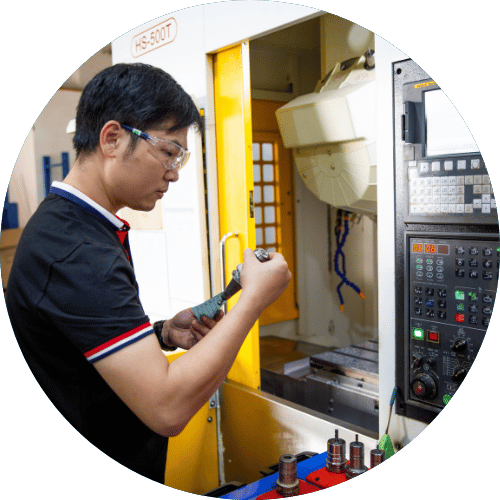
Bronze machining plays a crucial role in modern industries, offering unmatched durability, corrosion resistance, and versatility for a wide range of applications. This guide delivers practical tips, expert insights, and innovative techniques to help you master the art of working with bronze, ensuring precision and efficiency in every project.
Understanding Bronze: Properties and Applications
Key Properties That Make Bronze Ideal for Machining
Bronze stands out as a material of choice for machining due to its exceptional combination of properties. Its high strength and durability allow it to withstand significant wear and tear, making it suitable for demanding applications. The material’s natural resistance to corrosion, especially in harsh environments like saltwater, ensures longevity and reliability, even under extreme conditions. Additionally, bronze offers excellent thermal and electrical conductivity, which enhances its performance in specialized applications such as electrical components and heat exchangers.
Another advantage lies in its machinability. Bronze’s relatively low friction coefficient reduces tool wear during machining, enabling smoother operations and precise results. Its ability to retain fine details also makes it a favorite for intricate designs and components. Furthermore, bronze alloys can be tailored to meet specific needs, with variations that enhance properties like hardness, ductility, or resistance to specific chemicals. These qualities collectively make bronze a versatile and efficient material for machining across various industries.

Industries and Applications of Bronze
Bronze’s unique properties have cemented its role in a wide range of industries, each leveraging its strengths for specific applications. In the marine sector, bronze components such as propellers, bearings, and fittings excel due to their resistance to corrosion in saltwater environments. This durability ensures reliable performance in ships, submarines, and offshore structures, where exposure to moisture and harsh conditions is constant.
The aerospace industry also benefits from bronze’s strength and lightweight properties. It is often used in bushings, bearings, and other critical components that require precision and durability under high-stress conditions. Its ability to perform reliably in extreme temperatures and environments makes it indispensable for aircraft and spacecraft.
In the world of art and architecture, bronze has long been celebrated for its aesthetic appeal and workability. Sculptors and designers value its ability to capture intricate details, while its patina adds a timeless charm to statues, monuments, and decorative elements. Beyond aesthetics, its durability ensures that these creations withstand the test of time.
Bronze also finds applications in the manufacturing of industrial machinery, where its low friction and wear resistance make it ideal for gears, bushings, and bearings. Electrical and electronics industries utilize bronze for connectors, switches, and other components that require excellent conductivity and reliability. Its versatility extends to musical instruments, where it contributes to the rich tones of cymbals and strings.
By combining its unique properties with adaptability, bronze continues to play a vital role in industries ranging from marine and aerospace to art and manufacturing, proving its value as a material that meets both functional and creative demands.
Types of Bronze Alloys for Machining
Comparing Popular Bronze Alloys for Machining
Bronze alloys come in a variety of compositions, each tailored to meet specific performance requirements. Among the most widely used are aluminum bronze, phosphor bronze, and silicon bronze, each offering distinct advantages for machining and end-use applications.
Aluminum Bronze stands out for its exceptional strength and corrosion resistance. This alloy, which includes aluminum as a primary additive, performs well in environments exposed to saltwater, chemicals, and high temperatures. Its high wear resistance makes it ideal for heavy-duty components, such as bearings, bushings, and marine hardware. However, its hardness can make machining slightly more challenging, requiring sharp tools and slower cutting speeds to achieve precision.

Phosphor Bronze, on the other hand, is prized for its excellent elasticity, fatigue resistance, and low coefficient of friction. The addition of phosphorus enhances its wear resistance and stiffness, while tin improves its corrosion resistance. These properties make it a go-to choice for electrical connectors, springs, and precision instruments. Phosphor bronze is also easier to machine compared to harder alloys, making it suitable for intricate designs and components.

Silicon Bronze offers a balance of strength, corrosion resistance, and machinability. The inclusion of silicon improves its fluidity during casting and enhances its resistance to stress and cracking. This alloy is commonly used in architectural applications, fasteners, and marine fittings. Its machinability is moderate, and it works well with standard cutting tools, making it a versatile option for various industries.

Other specialized alloys, such as manganese bronze and leaded bronze, cater to niche applications. Manganese bronze delivers high tensile strength and is often used in heavy machinery, while leaded bronze provides excellent machinability and is ideal for components requiring tight tolerances.
Practical Tips for Choosing the Right Alloy
Selecting the most suitable bronze alloy for machining depends on the specific requirements of your project. Start by evaluating the operating environment. For applications exposed to moisture, saltwater, or chemicals, prioritize alloys like aluminum bronze or silicon bronze, which offer superior corrosion resistance. In contrast, for components requiring high elasticity or fatigue resistance, phosphor bronze is a better fit.
Consider the mechanical demands of the application. If the component will endure heavy loads or high wear, opt for a stronger alloy like aluminum bronze or manganese bronze. For projects involving intricate designs or tight tolerances, choose alloys with better machinability, such as leaded bronze or phosphor bronze, to ensure precision and efficiency.
Machining tools and techniques also play a role in alloy selection. More complex alloys like aluminum bronze may require specialized tools and slower cutting speeds, while softer alloys like leaded bronze allow for faster machining with standard equipment. Balancing these factors can help optimize both performance and production efficiency.
Lastly, factor in cost and availability. Some alloys, like phosphor bronze, may be more expensive due to their composition, while others, like silicon bronze, offer a cost-effective balance of properties. Aligning your choice with budget constraints and material availability ensures a smooth production process that does not compromise quality.
By understanding the unique characteristics of each alloy and aligning them with your project’s needs, you can make informed decisions that enhance both the machining process and the final product’s performance.
Step-by-Step Guide to Bronze Machining
Material Preparation and Selection
Proper preparation and material selection lay the foundation for successful bronze machining. Begin by identifying the specific alloy that meets your project’s requirements. Consider factors such as strength, corrosion resistance, and machinability when selecting materials. For example, aluminum bronze is well-suited for marine environments, while phosphor bronze is ideal for components that require elasticity and wear resistance. Once the alloy is chosen, inspect the raw material for any surface defects, such as cracks or inclusions, that could compromise machining quality.
Before machining, ensure the material is clean and free from contaminants such as grease, oil, or dirt. These impurities can interfere with cutting tools, leading to uneven results. If the bronze comes in large billets or bars, cut it into manageable sizes using a bandsaw or similar equipment. This step not only simplifies handling but also reduces stress on machining tools. Additionally, preheating the material slightly can help minimize internal stresses, especially for alloys prone to work hardening, ensuring smoother operations.

Detailed Machining Processes
Bronze machining involves a variety of techniques, each tailored to achieve specific shapes and finishes. Below are the most common processes:
CNC Milling: CNC milling is a versatile method for creating complex shapes and precise dimensions. Use sharp carbide tools to handle bronze’s hardness and reduce tool wear. Employ moderate cutting speeds and feeds to prevent overheating, which can lead to material deformation. Coolants or lubricants can further enhance tool life and improve surface finishes. For intricate designs, multi-axis CNC machines allow for greater flexibility and accuracy.
Turning: Turning is essential for producing cylindrical components like bushings and shafts. When working with bronze, use a lathe equipped with high-speed steel or carbide-tipped tools. Maintain consistent cutting depths to avoid chatter and ensure a smooth finish. Adjust the spindle speed based on the alloy’s hardness, and apply cutting fluids to reduce friction and heat buildup.
Drilling: Drilling bronze requires precision to avoid issues like burr formation or tool breakage. Use drills with a high helix angle to facilitate chip evacuation, as bronze tends to produce long, stringy chips. Start with a pilot hole to guide the drill and prevent wandering. For deeper holes, periodically retract the drill to clear chips and maintain accuracy.
Threading and Tapping: For threaded components, use taps and dies specifically designed for non-ferrous metals. Apply cutting oil to reduce friction and achieve clean, precise threads. If using CNC machines, thread milling can offer greater control and flexibility, especially for custom thread profiles.
Post-Processing Techniques
After machining, post-processing ensures the final product meets quality standards and achieves the desired appearance.
Deburring: Bronze machining often leaves behind burrs or sharp edges that can affect functionality and safety. Use deburring tools, files, or abrasive pads to remove these imperfections. For intricate parts, ultrasonic deburring or tumbling with abrasive media can efficiently clean hard-to-reach areas.
Polishing: Polishing enhances the surface finish and aesthetic appeal of bronze components. Start with coarse abrasives to remove machining marks, then progress to finer grits for a mirror-like finish. For high-precision parts, consider using buffing wheels with polishing compounds. Polished bronze not only looks appealing but also resists corrosion more effectively.
Surface Treatments: Depending on the application, additional treatments like coating or plating may be necessary. For example, applying a protective lacquer can prevent tarnishing, while electroplating with materials like nickel or chrome can enhance durability and appearance.
By following these steps, you can achieve high-quality results in bronze machining, ensuring both functionality and visual appeal in the final product.
Innovative Techniques in Bronze Machining
Emerging Technologies Transforming Bronze Machining
Advancements in machining technologies have introduced innovative methods that enhance precision, efficiency, and versatility when working with bronze. Among these, waterjet cutting and electrical discharge machining (EDM) stand out as game-changers, offering unique advantages over traditional techniques.
Waterjet Cutting: Waterjet cutting has revolutionized the way bronze components are shaped, especially for intricate designs and complex geometries. This method uses a high-pressure stream of water mixed with abrasive particles to cut through bronze without generating heat. The absence of heat prevents thermal distortion, preserving the material’s structural integrity and ensuring precise cuts. Waterjet cutting is particularly effective for creating detailed patterns, thin sections, or components with tight tolerances. Additionally, it minimizes material waste, making it an eco-friendly and cost-effective option for industries requiring high precision.

Electrical Discharge Machining (EDM): EDM is another cutting-edge technique that excels in machining hard-to-reach areas and intricate details. This process involves using electrical discharges to erode the material, allowing for extreme precision and smooth finishes. EDM is ideal for creating complex shapes, fine holes, and sharp corners in bronze components. It is beneficial for applications where traditional tools struggle, such as machining hardened alloys or producing parts with delicate features. While EDM may require longer processing times, its ability to achieve unparalleled accuracy makes it indispensable for high-end applications in aerospace, medical devices, and precision engineering.

Other emerging technologies, such as laser cutting and 3D printing, are also making strides in bronze machining. Laser cutting offers rapid and precise results for thin bronze sheets, while 3D printing with bronze-infused materials enables the creation of prototypes and custom components with intricate designs. These technologies continue to expand the possibilities for working with bronze, pushing the boundaries of what can be achieved.
Case Studies Showcasing Innovative Applications
Real-world examples highlight how these advanced techniques are transforming industries and unlocking new potential for bronze machining.
Marine Industry – Waterjet-Cut Propeller Blades: A leading marine engineering firm adopted waterjet cutting to manufacture custom propeller blades for high-performance vessels. The precision of waterjet technology allowed the company to create blades with optimized hydrodynamic profiles, improving fuel efficiency and reducing noise. The process also eliminated the risk of heat-induced warping, ensuring consistent quality across all components.
Aerospace Sector – EDM for Precision Bearings: In the aerospace industry, a manufacturer used EDM to produce high-precision bronze bearings for aircraft engines. The intricate design of the bearings required tight tolerances and smooth finishes, which traditional machining methods struggled to achieve. EDM not only met these requirements but also reduced tool wear and material waste, resulting in cost savings and improved performance.
Art and Design – Laser-Cut Bronze Sculptures: An artist specializing in contemporary sculptures leveraged laser cutting to create intricate patterns in bronze sheets. This technique enabled the artist to achieve levels of detail that were previously unattainable, bringing their creative vision to life. The precision and speed of laser cutting also allowed for faster production, enabling the artist to take on larger projects and meet tight deadlines.
Medical Devices – 3D-Printed Bronze Components: A medical device company utilized 3D printing to prototype and produce custom bronze components for surgical instruments. The ability to quickly iterate designs and create complex geometries reduced development time and costs. The final components, made from bronze-infused materials, offered the strength and durability required for medical applications.
These case studies demonstrate how innovative machining techniques are not only enhancing the quality and efficiency of bronze components but also opening up new possibilities across diverse industries. By embracing these advancements, businesses and creators can push the limits of what’s achievable with this versatile material.
Common Challenges and How to Overcome Them
Tool Wear and Chip Formation
One of the most frequent challenges in machining bronze is excessive tool wear and problematic chip formation. Bronze, especially harder alloys like aluminum bronze, can be abrasive to cutting tools, leading to rapid wear and reduced tool life. Additionally, bronze tends to produce long, stringy chips that can clog machinery, interfere with precision, and increase the risk of tool breakage.
To address tool wear, use cutting tools made from high-speed steel (HSS) or carbide, as these materials offer better resistance to abrasion. Coated tools, such as those with titanium nitride (TiN) or diamond-like coatings, further enhance durability and reduce friction. Regularly inspect and replace tools to maintain consistent performance and avoid compromising the quality of the machined parts.
For chip management, optimize cutting parameters such as feed rate and spindle speed to encourage the formation of shorter, more manageable chips. Employ chip breakers on cutting tools to control chip size and prevent tangling. Using a coolant or lubricant during machining not only reduces heat but also helps flush away chips, keeping the workspace clean and improving overall efficiency.
Work Hardening and Thermal Expansion
Work hardening is another common issue, particularly with alloys like phosphor bronze. When bronze is subjected to repeated cutting or deformation, its surface can harden, making subsequent machining more difficult. This hardening increases tool wear and can lead to uneven finishes or dimensional inaccuracies. Similarly, thermal expansion caused by heat buildup during machining can distort the material, affecting precision and fit.
To minimize work hardening, use sharp tools and avoid excessive cutting forces. Maintain a consistent cutting depth to reduce the number of passes required, as repeated passes can exacerbate hardening. For alloys prone to work hardening, consider preheating the material slightly to reduce its hardness and improve machinability.
Thermal expansion can be managed by controlling heat generation during machining. Use coolants or cutting fluids to dissipate heat and maintain a stable temperature. Adjust cutting speeds and feeds to prevent overheating, and allow the material to cool between passes if necessary. For high-precision applications, account for potential thermal expansion in your design and machining plans to ensure accurate results.
Practical Solutions and Best Practices
Overcoming these challenges requires a combination of proper planning, the right tools, and effective techniques. Below are some best practices to ensure successful bronze machining:
- Select the Right Alloy: Choose a bronze alloy that aligns with your project’s requirements and machining capabilities. Softer alloys like leaded bronze are easier to machine, while harder alloys may require specialized tools and techniques.
- Optimize Cutting Parameters: Fine-tune spindle speeds, feed rates, and cutting depths based on the specific alloy and machining process. Slower speeds and moderate feeds often yield better results for harder alloys.
- Use High-Quality Tools: Invest in durable, sharp tools designed for non-ferrous metals. Regularly maintain and replace tools to ensure consistent performance and avoid defects.
- Apply Coolants and Lubricants: Use appropriate coolants or cutting fluids to reduce heat, improve surface finishes, and extend tool life. Ensure proper application to maximize their effectiveness.
- Implement Chip Management: Equip tools with chip breakers and use air or fluid systems to clear chips from the workspace. This prevents clogging and ensures smoother operations.
- Monitor and Adjust: Continuously monitor the machining process for signs of tool wear, overheating, or material distortion. Make real-time adjustments to parameters as needed to maintain quality and efficiency.
By understanding these challenges and implementing these solutions, machinists can achieve better results, reduce downtime, and extend the lifespan of both tools and materials. These practices not only improve productivity but also ensure the production of high-quality bronze components.
Surface Finishing Options for Bronze Parts
Overview of Common Finishing Techniques

Surface finishing plays a critical role in enhancing the appearance, durability, and functionality of bronze components. Depending on the application, different finishing methods can be employed to achieve the desired aesthetic or performance characteristics. Below are some of the most widely used techniques for finishing bronze parts:
Polishing: Polishing is a popular choice for achieving a smooth, reflective surface on bronze. This process involves using abrasives of varying grit levels to remove imperfections and create a mirror-like finish. Polished bronze not only looks visually appealing but also resists tarnishing and corrosion more effectively. This finish is commonly used in decorative applications, such as sculptures, architectural elements, and jewelry.
Bead Blasting: Bead blasting is a versatile technique that uses fine abrasive particles, such as glass beads or aluminum oxide, to create a uniform matte or satin finish. This method is ideal for reducing surface imperfections and achieving a consistent texture. Bead blasting is often used for industrial components, where a non-reflective surface is preferred, or for parts that require a clean, modern aesthetic.
Patination: Patination is a chemical process that alters the surface of bronze to create a unique, aged appearance. By applying specific chemicals, such as liver of sulfur or ferric nitrate, artisans can produce a range of colors, including green, blue, brown, and black. This finish is highly valued in art and design, as it adds character and depth to bronze pieces. Patination also provides a protective layer that helps prevent further oxidation.
Brushing: Brushing involves using abrasive pads or brushes to create a linear, textured finish on the surface of bronze. This technique is often used to achieve a more subdued, industrial look while maintaining some level of reflectivity. Brushed finishes are commonly found in hardware, fixtures, and modern design elements.
Clear Coating: Applying a clear protective coating, such as lacquer or polyurethane, helps preserve the natural color and shine of bronze. This finish is particularly useful for outdoor applications, as it provides a barrier against moisture, UV rays, and environmental pollutants. Clear coatings are often used in conjunction with other finishes, such as polishing or patination, to enhance durability.
Tips for Choosing the Right Finish
Selecting the appropriate surface finish for bronze parts depends on several factors, including the intended application, environmental conditions, and aesthetic preferences. Here are some practical tips to guide your decision:
- Consider the Application: For decorative items like sculptures or jewelry, prioritize finishes that enhance visual appeal, such as polishing or patination. For industrial components, opt for functional finishes like bead blasting or brushing, which improve durability and reduce glare.
- Evaluate Environmental Conditions: If the bronze part will be exposed to harsh environments, such as marine or outdoor settings, choose finishes that offer added protection. Clear coatings or patination can help shield the surface from corrosion and weathering.
- Match the Finish to the Design: The finish should complement the overall design and purpose of the component. For example, a polished finish works well for elegant, high-end designs, while a brushed or bead-blasted finish suits modern, minimalist aesthetics.
- Balance Aesthetics and Maintenance: Certain finishes, such as polished or patinated surfaces, may require regular maintenance to preserve their appearance. Consider the level of upkeep required and choose a finish that aligns with the user’s preferences and capabilities.
- Test on Samples: Before committing to a specific finish, test it on a sample piece of bronze to ensure it meets your expectations. This step enables you to assess the appearance, texture, and durability of the finish under actual use conditions.
By understanding the various finishing options and their applications, you can select the most suitable method to enhance the performance and appearance of bronze components. Whether prioritizing aesthetics, functionality, or durability, the right finish ensures that the final product meets both practical and visual requirements.
Safety and Environmental Considerations
Safety Tips for Handling and Machining Bronze
Working with bronze requires strict adherence to safety protocols to protect both operators and the work environment. Bronze machining can generate fine particles, sharp chips, and heat, all of which pose potential hazards if not managed properly. Below are essential safety measures to follow:
- Wear Appropriate Personal Protective Equipment (PPE): Always wear safety goggles or a face shield to protect your eyes from flying chips and debris. Use cut-resistant gloves when handling raw materials or sharp-edged components, but avoid wearing gloves near rotating machinery to prevent entanglement. A dust mask or respirator is essential when machining bronze, as fine particles can become airborne and pose respiratory risks.
- Ensure Proper Ventilation: Machining bronze can release fine dust and fumes, especially when using high-speed tools or during processes like grinding and polishing. Install an effective ventilation system or use localized exhaust systems to capture airborne particles and maintain air quality in the workspace.
- Handle Chemicals with Care: If using chemicals for patination or cleaning, follow the manufacturer’s instructions and safety data sheets. Wear chemical-resistant gloves and work in a well-ventilated area to avoid exposure to harmful fumes. Store chemicals securely and dispose of them according to local regulations.
- Maintain Equipment and Tools: Regularly inspect and maintain cutting tools, machines, and safety guards to ensure they function correctly. Dull tools can increase friction and heat, leading to accidents or material damage. Keep workspaces clean and free of clutter to reduce the risk of tripping or accidental contact with sharp objects.
- Manage Heat and Sparks: Bronze machining can generate significant heat, especially during high-speed operations. Use coolants or lubricants to reduce heat buildup and prevent thermal distortion. Be cautious of sparks during grinding or cutting, and keep flammable materials away from the work area.
- Train and Educate Workers: Ensure all operators are trained in the safe handling of bronze and the proper use of machinery. Regular safety drills and updates on best practices can help prevent accidents and create a culture of safety in the workplace.
Sustainable Practices in Bronze Machining
Sustainability is becoming increasingly important in manufacturing, and bronze machining is no exception. By adopting eco-friendly practices, businesses can reduce waste, conserve resources, and minimize their environmental impact. Here are some strategies to promote sustainability:
- Optimize Material Usage: Plan machining operations carefully to minimize material waste. Use nesting software to maximize the use of raw materials, especially when cutting or shaping bronze sheets and bars. Recycle scrap bronze and chips, as bronze is highly recyclable and can be melted down for reuse without losing its properties.
- Use Energy-Efficient Equipment: Invest in modern, energy-efficient machinery that consumes less power while maintaining high performance. Regular maintenance of equipment also ensures optimal energy use and reduces unnecessary power consumption.
- Implement Coolant Recycling Systems: Coolants and lubricants are essential in bronze machining, but they can generate significant waste. Use filtration and recycling systems to extend the life of coolants, reduce disposal needs, and lower environmental impact. Opt for biodegradable or non-toxic coolants whenever possible.
- Reduce Airborne Emissions: Install advanced dust collection and filtration systems to capture fine particles and fumes generated during machining. This not only protects workers but also prevents pollutants from being released into the environment.
- Adopt Additive Manufacturing: Where applicable, consider using 3D printing with bronze-infused materials for prototyping or small-scale production. Additive manufacturing generates less waste compared to traditional subtractive methods and allows for more efficient use of materials.
- Educate and Engage: Promote sustainability awareness among employees and encourage them to adopt eco-friendly practices. Simple actions, such as turning off machines when not in use or properly segregating waste, can collectively make a significant difference.
By prioritizing safety and sustainability, businesses can create a healthier work environment, reduce operational risks, and contribute to a more eco-conscious manufacturing industry. These practices not only protect workers and the planet but also enhance efficiency and long-term profitability.
Quality Control and Standards
Key Quality Control Measures for Bronze Machining
Ensuring the quality of machined bronze components requires a robust quality control process that addresses every stage of production. From material selection to final inspection, these measures help maintain consistency, precision, and reliability in the finished product.
Material Testing: The foundation of quality control begins with verifying the raw material. Conduct material testing to confirm the alloy composition and ensure it meets the required specifications. Techniques such as spectrographic analysis or X-ray fluorescence (XRF) can identify the exact chemical makeup of the bronze, ensuring it aligns with the intended application. Testing for mechanical properties, such as tensile strength, hardness, and ductility, further guarantees the material’s suitability for the project.
Dimensional Inspections: Precision is critical in bronze machining, especially for components used in high-performance applications. Use advanced measurement tools, such as coordinate measuring machines (CMMs), calipers, and micrometers, to verify that dimensions and tolerances meet design specifications. Regularly calibrate these tools to maintain accuracy and reliability.
Surface Finish Evaluation: The surface quality of bronze parts can significantly impact their performance and appearance. Inspect the surface finish using profilometers or visual inspection techniques to ensure it meets the required standards. For components with specific aesthetic requirements, such as polished or patinated finishes, compare the results against reference samples to confirm consistency.
Non-Destructive Testing (NDT): For critical applications, non-destructive testing methods, such as ultrasonic testing or dye penetrant inspection, can identify internal defects or surface cracks without damaging the component. These techniques are particularly valuable for ensuring the integrity of parts used in aerospace, marine, or industrial machinery.
Process Monitoring: Implement real-time monitoring systems to track machining parameters, such as cutting speed, feed rate, and tool wear. By maintaining consistent process conditions, you can reduce variability and ensure uniform quality across all components. Regularly review production data to identify trends and address potential issues before they affect the final product.
Final Inspection: Before delivery, conduct a comprehensive final inspection to verify that all components meet the required specifications. This step includes checking dimensions, surface finishes, and overall functionality. Document the results to provide traceability and assurance to customers.
Industry Standards and Certifications
Adhering to industry standards and obtaining relevant certifications not only ensures the quality of bronze components but also builds trust with customers and stakeholders. Below are some key standards and certifications applicable to bronze machining:
ISO 9001: ISO 9001 is a globally recognized standard for quality management systems. It provides a framework for consistent production processes, customer satisfaction, and continuous improvement. Achieving ISO 9001 certification demonstrates a commitment to quality and reliability.
ASTM Standards: The American Society for Testing and Materials (ASTM) publishes standards that define the properties and performance requirements for various bronze alloys. For example, ASTM B505 specifies the requirements for continuous cast bronze, while ASTM B271 covers centrifugal castings. Compliance with these standards ensures that materials and components meet industry benchmarks.
AS9100: For aerospace applications, AS9100 certification builds on ISO 9001 by incorporating additional requirements specific to the aerospace industry. This certification ensures that bronze components used in aircraft or spacecraft meet stringent quality and safety standards.
Marine Certifications: In the marine industry, certifications from organizations like the American Bureau of Shipping (ABS) or Lloyd’s Register verify that bronze components meet the rigorous demands of saltwater environments. These certifications often include material testing, corrosion resistance evaluations, and performance assessments.
RoHS Compliance: The Restriction of Hazardous Substances (RoHS) directive ensures that materials used in manufacturing are free from harmful substances, such as lead or mercury. For bronze components used in electronics or consumer products, RoHS compliance is essential to meet environmental and safety regulations.
Customer-Specific Standards: Many industries and clients have their own quality requirements and standards. Collaborate closely with customers to understand their expectations and tailor your quality control processes to meet their needs.
By implementing thorough quality control measures and adhering to recognized industry standards, manufacturers can deliver bronze components that meet the highest levels of precision, performance, and reliability. These practices not only enhance customer satisfaction but also establish a reputation for excellence in the competitive machining industry.
Frequently Asked Questions
Q: What is bronze machining?
A: Bronze machining refers to the manufacturing process that involves shaping, cutting, and finishing bronze materials into specific components or parts. This process uses various techniques such as CNC turning, milling, and drilling to achieve precision in the final bronze machined parts.
Q: What are the different types of bronze used in machining?
A: Several types of bronze alloys are used in machining, including aluminum bronze, bearing bronze (also known as 932 bearing bronze), phosphor bronze, silicon bronze, and manganese bronze. Each type offers unique mechanical properties that make it suitable for specific applications.
Q: What are the advantages of using bronze for CNC machining?
A: Bronze provides excellent machinability and wear resistance, making it ideal for CNC machining. Its low friction properties and corrosion resistance enhance its durability in various applications, such as bushings and bearings.
Q: How does the machining process for bronze differ from other metals?
A: Bronze machining requires specific cutting tools and techniques tailored to its unique properties. The process must account for the alloy composition, as certain bronze alloys may need different speeds, feeds, and coolant types to achieve a high-quality surface finish.
Q: What is the significance of surface finish in bronze machining?
A: The surface finish of bronze parts plays a critical role in performance, especially in applications involving bearings and bushings. A smooth surface reduces friction and wear, improving the overall lifespan and reliability of the machined bronze components.
Q: Can bronze be used in high-strength applications?
A: Yes, certain bronze alloys, such as C95400, are known for their high strength and wear resistance. These alloys can handle significant stress and are often used in heavy machinery and equipment.
Q: What are common applications of bronze machined parts?
A: Bronze machined parts are widely used in automotive components, marine hardware, and industrial machinery. Their corrosion resistance, wear resistance, and low friction properties make them ideal for bearings, bushings, and other moving parts.
Q: What machining services are available for bronze materials?
A: Many machining services specialize in bronze, offering CNC machining services such as CNC milling, CNC turning, and precision machining. These services can produce custom bronze CNC parts and components tailored to specific specifications and applications.
Q: How do I choose the right bronze alloy for my project?
A: Choosing the right bronze alloy depends on factors like the required mechanical properties, corrosion resistance, and the specific application of the bronze parts. Consulting with a machining service or materials expert can help determine the best alloy for your needs.
Conclusion
Bronze machining offers unmatched versatility, precision, and durability, making it a cornerstone in industries ranging from marine to aerospace. By understanding the properties of bronze, selecting the right alloy, and employing advanced techniques, you can achieve exceptional results in your projects. Explore more about bronze machining or contact us today to discover how our expertise can bring your vision to life.