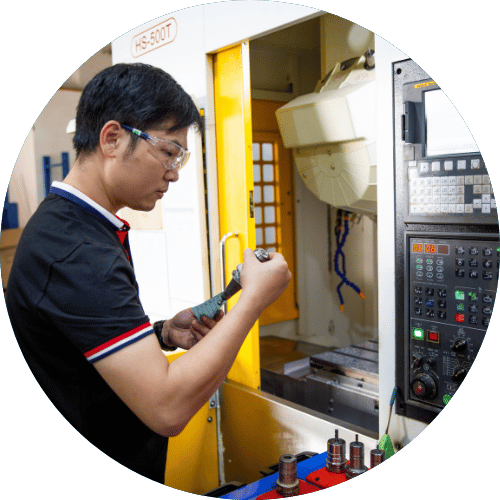
CNC machining has revolutionized the medical industry by enabling the production of precise, high-quality components essential for advanced healthcare solutions. From surgical instruments to custom implants, this technology ensures accuracy and efficiency in manufacturing. This article offers practical insights and real-world applications, highlighting how CNC machining drives innovation in medical advancements.
Why CNC Machining is Essential for the Medical Industry
CNC machining has become a cornerstone of the medical industry, offering unmatched precision, reliability, and adaptability. These qualities make it indispensable for producing critical components and devices that meet the rigorous standards of modern healthcare. Its ability to deliver consistent results while accommodating complex designs ensures that medical professionals can rely on high-quality tools and equipment.
Unmatched Precision for Complex Medical Devices
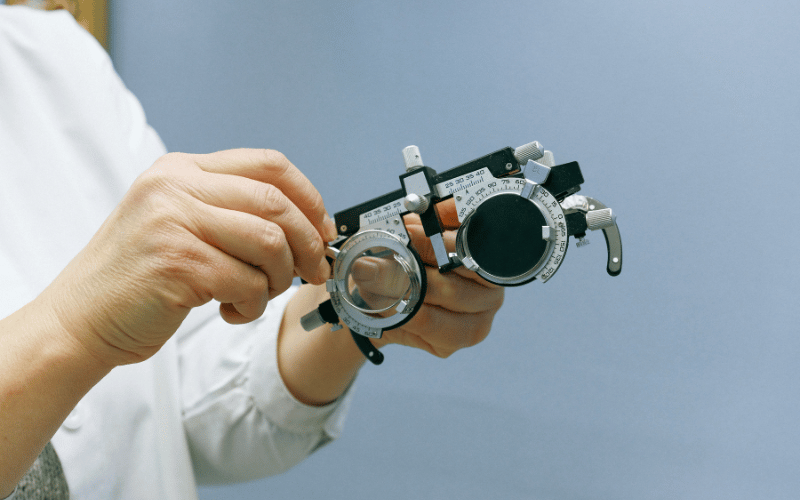
CNC machining excels in creating intricate and detailed components required for medical devices. From surgical instruments to prosthetics, the technology ensures that every part meets exact specifications. This level of precision is crucial for devices such as pacemakers, orthopedic implants, and dental crowns, where even the slightest deviation can compromise functionality or patient safety. CNC machines achieve this accuracy by following computer-generated designs, thereby eliminating human error and ensuring consistency across production runs.
Reliability in High-Stakes Applications
The medical field demands absolute reliability, especially for life-saving equipment and tools. CNC machining delivers consistent quality, ensuring that every component functions as intended. For example, surgical instruments must maintain sharpness and durability under repeated use, while implants must fit perfectly to avoid complications. CNC machining’s ability to produce parts with tight tolerances and smooth finishes ensures that these requirements are met without compromise.
Adaptability to Diverse Materials and Designs
CNC machining supports a wide range of materials, including stainless steel, titanium, and medical-grade plastics. This versatility enables manufacturers to create components tailored explicitly to various medical applications. For instance, titanium’s biocompatibility makes it ideal for implants, while plastics are often used for lightweight, disposable tools. CNC machines can also handle complex geometries, enabling the production of custom parts, such as patient-specific implants or surgical guides. This adaptability ensures that the technology can meet the evolving needs of the medical industry.
Meeting Stringent Medical Standards
The medical industry operates under strict regulations to ensure patient safety and the reliability of its products. CNC machining plays a vital role in meeting these standards by delivering parts with consistent quality and traceability. Manufacturers can document every step of the production process, ensuring compliance with certifications like ISO 13485. Additionally, CNC machines can produce prototypes for testing and validation, allowing manufacturers to refine designs before full-scale production. This capability ensures that every product meets the highest standards of safety and performance.
CNC machining’s precision, reliability, and adaptability make it an essential technology for the medical industry. By enabling the production of high-quality components that meet stringent standards, it supports advancements in healthcare and improves patient outcomes.
Key CNC Machining Methods in Medical Manufacturing
CNC machining offers a variety of methods tailored to meet the unique demands of medical manufacturing. These techniques ensure precision, efficiency, and adaptability, making them essential for producing high-quality medical components. Below are the most relevant CNC machining methods used in the medical industry:
- CNC Milling
CNC milling removes material from a workpiece using rotating cutting tools. This method excels in creating complex shapes, such as those used in surgical instrument handles, implant components, and custom medical devices. Its ability to work with various materials, including metals and plastics, makes it highly versatile. - CNC Turning
CNC turning rotates the workpiece while a stationary cutting tool shapes it. This method is ideal for producing cylindrical parts, such as bone screws, rods, and other precision components. CNC turning ensures smooth finishes and tight tolerances, which are critical for medical applications. - 5-Axis CNC Machining
5-axis CNC machining enables cutting tools to move along five different axes, allowing for the creation of intricate and detailed parts. This method is ideal for manufacturing complex implants, such as knee or hip replacements, as well as surgical guides. Its ability to handle challenging geometries reduces the need for multiple setups, saving time and improving accuracy. - Swiss CNC Machining
Swiss CNC machining specializes in producing small, exact components. This method is commonly used for crafting parts like catheter tips, dental screws, and other miniature medical devices. Its high-speed operation and ability to maintain tight tolerances make it indispensable for delicate applications. - Micro-Machining
Micro-machining focuses on creating tiny and detailed parts, often with features measured in microns. This method is essential for manufacturing components used in minimally invasive surgical tools, micro-implants, and advanced diagnostic equipment. It ensures precision at a microscopic level, meeting the demands of cutting-edge medical technology.
These CNC machining methods provide the precision and adaptability required to produce reliable medical components. By leveraging these techniques, manufacturers can meet the stringent demands of the healthcare industry while driving innovation in medical technology.
Materials Used in Medical CNC Machining
CNC machining in the medical industry relies on a variety of materials, each chosen for its unique properties that meet the stringent demands of healthcare applications. These materials ensure durability, biocompatibility, and precision, making them ideal for producing medical devices, implants, and tools. Below is an overview of the most commonly used materials and their benefits.
Metals: Strength and Biocompatibility
- Titanium
Titanium stands out as a top choice for medical applications due to its exceptional strength-to-weight ratio and biocompatibility. It resists corrosion, making it ideal for implants like hip replacements, dental implants, and bone screws. Its lightweight nature also reduces patient discomfort while maintaining durability. - Stainless Steel
Stainless steel offers excellent strength, corrosion resistance, and affordability, making it a popular material for surgical instruments, orthopedic tools, and temporary implants. Its ability to withstand repeated sterilization ensures long-term usability in medical environments.
Plastics: Lightweight and Versatile
- PEEK (Polyether Ether Ketone)
PEEK is a high-performance plastic widely used in medical implants and devices. Its biocompatibility, chemical resistance, and ability to mimic the flexibility of bone make it ideal for spinal implants, dental components, and prosthetics. PEEK also offers radiolucency, allowing precise imaging during medical scans. - Polycarbonate
Polycarbonate offers impact resistance, transparency, and lightweight properties, making it suitable for medical devices such as surgical instruments, housings for diagnostic equipment, and protective shields. Its ability to withstand sterilization processes ensures its reliability in clinical settings.
Ceramics: Durability and Biocompatibility
- Zirconia
Zirconia ceramics are highly durable and biocompatible, making them a preferred material for dental crowns, bridges, and implants—their natural tooth-like appearance and resistance to wear ensure both functionality and aesthetics in dental applications. - Alumina
Alumina ceramics offer exceptional hardness and wear resistance, making them suitable for joint replacements and other load-bearing implants. Their biocompatibility and ability to maintain structural integrity under stress make them a reliable choice for long-term medical use.
These materials play a critical role in medical CNC machining by meeting the industry’s high standards for safety, performance, and durability. Their unique properties allow manufacturers to create reliable and innovative solutions that improve patient care and advance medical technology.
Applications of CNC Machining in Healthcare
CNC machining has transformed healthcare by enabling the production of precise, reliable, and innovative medical devices. Its ability to create complex components with tight tolerances ensures that medical professionals have access to tools and equipment that meet the highest standards of quality. Below are some real-world applications that highlight the impact of CNC machining in the medical field.
Surgical Instruments
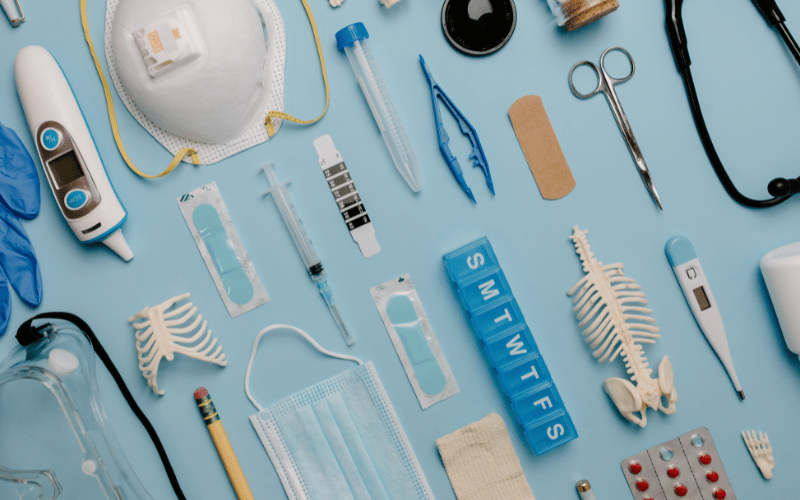
CNC machining plays a crucial role in manufacturing surgical instruments, which require precise and durable components. Tools such as scalpels, forceps, clamps, and retractors must maintain their sharpness and structural integrity even after repeated sterilization. CNC machines ensure that these instruments meet exact specifications, providing surgeons with reliable tools for delicate procedures. Customization options also enable manufacturers to create specialized instruments tailored to meet unique surgical needs.
Orthopedic and Dental Implants
Orthopedic and dental implants demand biocompatibility, durability, and precision, making CNC machining the ideal manufacturing method. For orthopedic applications, CNC machines produce components like hip and knee replacements, spinal implants, and bone screws. In dentistry, they create crowns, bridges, and dental implants that fit perfectly into a patient’s anatomy. CNC machining ensures that these implants meet stringent medical standards while offering the necessary customization for individual patients.
Prosthetics
CNC machining enables the production of advanced prosthetics that enhance mobility and improve the quality of life for patients. By utilizing materials such as titanium and PEEK, manufacturers produce lightweight, durable prosthetic components that replicate natural movement. CNC technology also enables the customization of prosthetics, ensuring a comfortable fit and improved functionality for each user. This adaptability has revolutionized the field of prosthetics, making devices more accessible and practical.
Diagnostic Equipment
CNC machining supports the production of diagnostic equipment, including MRI machines, CT scanners, and blood analyzers. These devices rely on precisely machined components to function accurately and reliably. CNC machines produce parts such as housings, connectors, and internal mechanisms, ensuring that diagnostic tools operate without error. The precision of CNC machining contributes to the accuracy of medical diagnoses, ultimately improving patient outcomes.
Wearable Medical Devices
Wearable medical devices, such as glucose monitors, heart rate trackers, and hearing aids, benefit from CNC machining’s ability to create small, intricate components. These devices require lightweight, durable materials and compact designs to ensure comfort and functionality. CNC machining enables manufacturers to produce high-quality parts that meet these requirements, supporting the growing demand for wearable healthcare technology.
Did You Know?
CNC machining enables the creation of custom implants tailored to individual patients. By utilizing advanced imaging techniques, such as CT scans, manufacturers can design implants that precisely match a patient’s anatomy. This level of customization improves comfort, functionality, and overall patient satisfaction, showcasing the transformative potential of CNC technology in healthcare.
CNC machining continues to drive innovation in healthcare by delivering precise, reliable, and customizable solutions that meet the needs of patients and healthcare professionals. Its applications span from life-saving surgical tools to advanced wearable devices, making it an essential technology in modern medicine.
Advantages of CNC Machining in the Medical Sector
CNC machining has become a cornerstone of the medical industry, offering a range of benefits that address the sector’s need for precision, reliability, and innovation. Its ability to deliver consistent results while accommodating complex designs has made it indispensable for manufacturing medical devices, implants, and tools. Below are the key advantages that CNC machining brings to the medical sector.
Precision and Repeatability
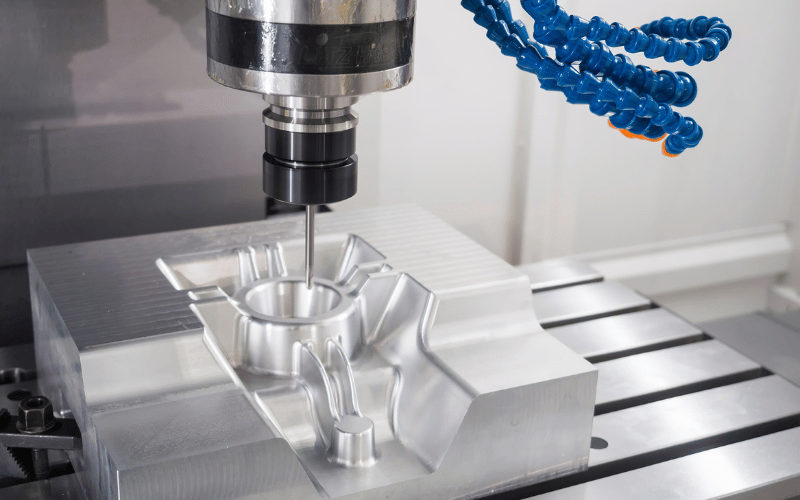
CNC machining ensures unmatched precision, which is critical for producing medical components that must meet exact specifications. Surgical instruments, implants, and diagnostic equipment require tight tolerances to function effectively and safely. CNC machines achieve this level of accuracy by following computer-generated designs, eliminating human error. Additionally, the repeatability of CNC machining allows manufacturers to produce identical parts in large quantities without compromising quality. This consistency ensures that every component performs as intended, whether it’s a single-use surgical tool or a life-saving implant.
Compatibility with Biocompatible Materials
The medical industry relies on materials that are safe for use in the human body, such as titanium, stainless steel, and PEEK. CNC machining works seamlessly with these biocompatible materials, enabling the production of implants, prosthetics, and other medical devices. For example, titanium’s strength and corrosion resistance make it ideal for orthopedic implants, while PEEK’s flexibility and radiolucency suit spinal implants and dental components. CNC machines handle these materials with precision, ensuring that the final products meet both functional and safety requirements.
Customization for Patient-Specific Solutions
CNC machining excels in creating custom medical solutions tailored to individual patients. By integrating advanced imaging technologies, such as CT scans and 3D modeling, manufacturers can design implants, prosthetics, and surgical guides that precisely match a patient’s anatomy. This level of customization improves comfort, functionality, and overall patient outcomes. For instance, patient-specific knee replacements or dental implants ensure a better fit and reduce the risk of complications. CNC machining’s adaptability allows manufacturers to produce these personalized solutions efficiently, even for complex geometries.
Faster Prototyping and Production Cycles
Speed plays a crucial role in the medical industry, especially when developing new devices or responding to urgent healthcare needs. CNC machining accelerates the prototyping process by quickly turning digital designs into physical components. This rapid turnaround allows manufacturers to test and refine designs before moving to full-scale production. Once finalized, CNC machines streamline production cycles by automating the manufacturing process, reducing lead times, and ensuring consistent quality. This efficiency benefits both manufacturers and healthcare providers, enabling faster delivery of critical medical devices to patients.
CNC machining’s precision, material compatibility, customization capabilities, and speed make it an invaluable tool in the medical sector. By addressing the industry’s unique challenges, it supports the development of innovative solutions that improve patient care and advance medical technology.
Emerging Trends in Medical CNC Machining
The medical industry continues to evolve, and CNC machining plays a pivotal role in driving innovation. As technology advances, new trends are shaping the future of medical manufacturing, enabling more efficient, precise, and patient-focused solutions. Below are some of the most exciting developments in medical CNC machining.
Smart Implants: Combining Technology and Functionality
Smart implants represent a groundbreaking innovation in healthcare. These devices integrate sensors and wireless technology to monitor patients’ health in real-time. For example, orthopedic implants can track healing progress or detect early signs of infection. CNC machining ensures the precision required to manufacture these advanced implants, which often include intricate designs and biocompatible materials. By combining machining expertise with cutting-edge technology, manufacturers are creating implants that not only replace damaged body parts but also provide valuable data to improve patient outcomes.
Bioresorbable Materials: Redefining Temporary Implants
Bioresorbable materials are transforming the way temporary implants function. These materials, such as bioresorbable polymers, dissolve naturally in the body over time, eliminating the need for surgical removal. CNC machining enables the precise shaping of these materials into devices like screws, plates, and stents. This trend reduces patient recovery times and minimizes the risks associated with additional surgeries. As research into bioresorbable materials advances, CNC machining will continue to play a critical role in bringing these innovative solutions to market.
Integration with 3D Printing for Hybrid Manufacturing
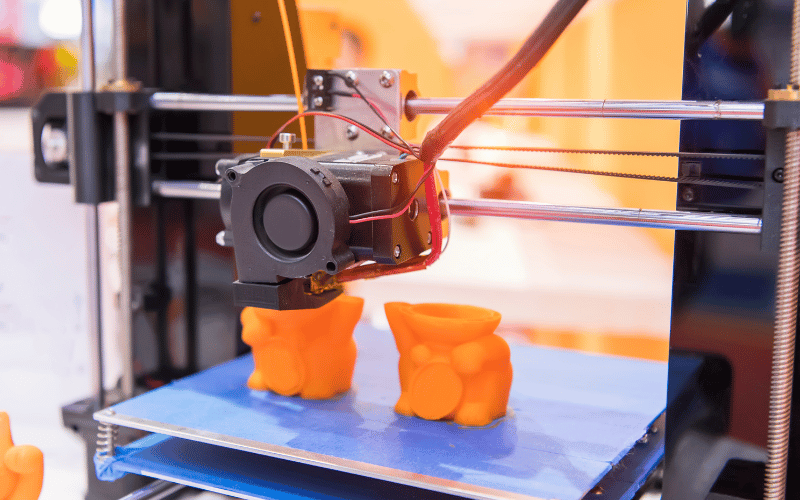
The integration of CNC machining with 3D printing is revolutionizing medical manufacturing by combining the strengths of both technologies. 3D printing excels in creating complex, custom geometries, while CNC machining ensures the precision and surface finish required for medical applications. For instance, manufacturers can 3D print a custom implant and then use CNC machining to refine its dimensions and add detailed features. This hybrid approach streamlines production, reduces material waste, and enables the creation of highly customized medical devices. As these technologies become more interconnected, they will open new possibilities for innovation in the medical field.
CNC machining continues to evolve in response to emerging trends, supporting advancements such as smart implants, bioresorbable materials, and hybrid manufacturing. These innovations promise to enhance patient care, improve efficiency, and push the boundaries of what’s possible in medical technology.
How to Choose the Right CNC Machining Partner
Selecting the right CNC machining partner is crucial for ensuring the success of your medical manufacturing projects. The medical industry demands precision, compliance with strict standards, and a deep understanding of healthcare-specific requirements. By carefully evaluating potential partners, you can find a manufacturer that meets your needs and delivers high-quality results. Below are practical tips to guide your decision.
Look for ISO 13485 Certification
ISO 13485 certification serves as a key indicator of a CNC machining partner’s ability to meet the stringent quality and safety standards required in the medical industry. This certification ensures that the manufacturer adheres to a robust quality management system specifically designed for medical device production. A certified partner demonstrates a commitment to regulatory compliance, risk management, and consistent quality. When evaluating potential partners, prioritize those with ISO 13485 certification to ensure your products meet both industry standards and patient safety requirements.
Evaluate Experience in Medical Manufacturing
Experience in medical manufacturing plays a critical role in selecting the right CNC machining partner. A manufacturer with a proven track record in the medical field understands the unique challenges and requirements of producing healthcare components. Look for partners who have experience working on similar projects, such as those involving surgical instruments, implants, or diagnostic equipment. Their expertise in handling biocompatible materials, achieving tight tolerances, and meeting regulatory standards will ensure your project runs smoothly. Additionally, experienced partners often provide valuable insights and recommendations to optimize your designs for manufacturability.
Assess Quality Control Processes
A robust quality control system ensures that every component meets the specified requirements and performs reliably in medical applications. When selecting a CNC machining partner, inquire about their quality control processes, including inspection methods, testing protocols, and documentation procedures. Advanced inspection tools, such as coordinate measuring machines (CMMs) and optical scanners, indicate a commitment to precision and accuracy. Additionally, ensure the partner provides traceability for materials and processes, which is essential for regulatory compliance and product safety. A thorough quality control system minimizes the risk of defects and ensures consistent results across production runs.
By focusing on ISO 13485 certification, industry experience, and robust quality control processes, you can select a CNC machining partner that aligns with your medical manufacturing goals. A reliable partner not only delivers high-quality components but also supports your efforts to meet regulatory requirements and improve patient outcomes.
Conclusion
CNC machining continues to transform healthcare by delivering precision, reliability, and innovation in medical manufacturing. Its ability to produce high-quality components tailored to the industry’s stringent demands has revolutionized the way medical devices, implants, and tools are created. By leveraging CNC machining, manufacturers can meet the evolving needs of healthcare while improving patient outcomes. Explore the potential of CNC machining to elevate your medical manufacturing projects and drive advancements in healthcare technology.