Zinc plating stands as a cornerstone in metal finishing, offering a reliable solution to enhance corrosion resistance and improve the durability of various materials. This article provides a clear, concise, and practical overview of zinc plating, serving as your ultimate resource for understanding its significance and applications.
Understanding Zinc Plating: Definition and Benefits
What is Zinc Plating?
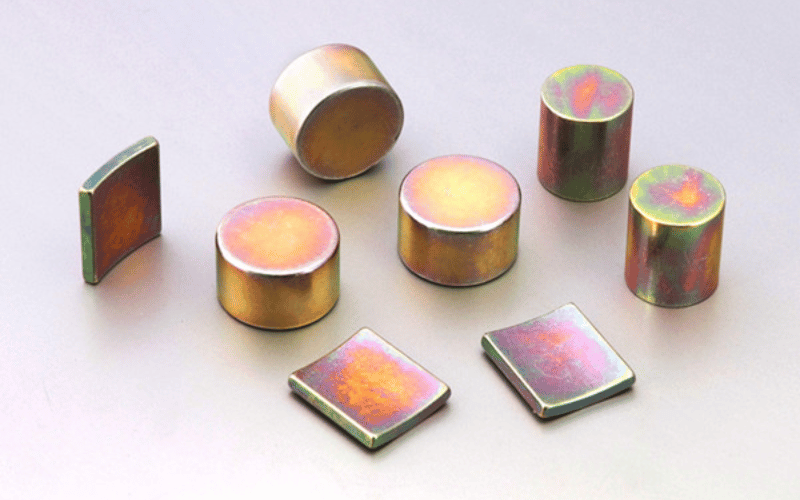
Zinc plating involves coating a metal surface with a thin layer of zinc to protect it from environmental factors, such as moisture and air, that cause corrosion. Manufacturers achieve this by immersing the base metal in a zinc solution and applying an electric current, which bonds the zinc layer to the base metal’s surface. This process not only enhances the material’s durability but also improves its appearance with a smooth, shiny finish.
Key Benefits of Zinc Plating
Zinc plating offers a range of advantages that make it a popular choice across industries. Here’s why it stands out:
- Corrosion Resistance
Zinc plating creates a protective barrier that shields the base metal from rust and oxidation. This layer sacrifices itself when exposed to corrosive elements, ensuring the underlying material remains intact. This makes it ideal for applications in harsh environments, such as automotive parts, construction materials, and outdoor equipment. - Cost-Effectiveness
Compared to other protective coatings, zinc plating provides an affordable solution without compromising quality. Its low cost makes it accessible for large-scale projects, offering excellent value for industries that require durable and long-lasting materials. - Enhanced Aesthetic Appeal
The shiny, smooth finish of zinc plating improves the visual appeal of metal components. It can also be customized with different finishes, such as matte or bright, to suit specific design requirements. - Improved Durability
By adding a layer of zinc, the base metal gains additional strength and resistance to wear and tear. This extends the lifespan of components, reducing the need for frequent replacements and maintenance. - Eco-Friendly Option
Zinc plating uses materials that are recyclable and less harmful to the environment compared to other coating methods. This makes it a sustainable choice for businesses aiming to reduce their ecological footprint.
Zinc plating combines functionality, affordability, and versatility, making it a go-to solution for protecting and enhancing metal surfaces in various industries.
How Zinc Plating Works: A Step-by-Step Guide
The Process Behind Zinc Plating
Zinc plating transforms ordinary metal into a durable, corrosion-resistant material through a carefully structured process. Each step plays a crucial role in ensuring the coating adheres properly and delivers long-lasting protection. Let’s break it down into simple, easy-to-follow stages.
Step 1: Cleaning the Surface
Before applying the zinc layer, technicians thoroughly clean the metal surface to remove dirt, grease, and rust. Think of this step as preparing a canvas for painting—any impurities left behind can prevent the zinc from bonding effectively. Cleaning typically involves chemical solutions or mechanical methods like sandblasting to ensure the surface is entirely smooth and free of contaminants.
Step 2: Electroplating the Metal
Once the surface is clean, the actual zinc coating process begins. The metal is submerged in a solution containing zinc ions, and an electric current is applied. This current acts like a magnet, drawing the zinc particles to the metal surface and creating a uniform layer. Imagine dipping a cookie into melted chocolate—the coating sticks evenly, covering every nook and cranny. This step not only ensures full coverage but also strengthens the bond between the zinc and the base material.
Step 3: Post-Treatment for Added Protection
After the zinc layer is applied, the metal undergoes post-treatment to enhance its durability and appearance. This stage often includes passivation, where a chemical solution adds an extra protective layer to the zinc coating. Think of it as applying a clear sealant over a painted surface to make it more resistant to scratches and wear. Some treatments also involve coloring or polishing the surface to meet specific aesthetic or functional requirements.
Why Each Step Matters
Skipping or rushing any of these steps can compromise the quality of the final product. Cleaning ensures the zinc adheres properly, electroplating provides even coverage, and post-treatment adds an extra layer of defense. Together, these stages create a robust, long-lasting coating that protects the metal from corrosion and wear.
Exploring Different Types of Zinc Plating
Common Types of Zinc Plating
Zinc plating comes in various forms, each offering unique benefits and appearances to suit specific applications. These types differ primarily in their post-treatment finishes, which enhance both the functionality and aesthetics of the coated material. Below are the most widely used types:
Yellow Zinc Plating
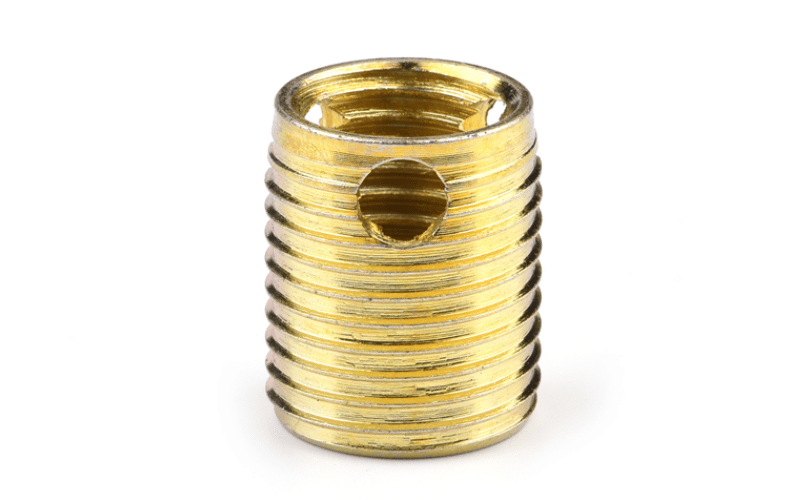
Yellow zinc plating, often recognized by its golden or iridescent finish, provides excellent corrosion resistance. Industries frequently use this type for automotive parts, fasteners, and hardware exposed to harsh environments. The yellow finish not only adds a layer of protection but also improves the visual appeal of the components. Its vibrant color makes it easy to identify in applications where quick recognition is essential.
Clear or Blue Zinc Plating
Clear zinc plating, also known as blue zinc plating, offers a more subtle and polished appearance. This type is ideal for applications where aesthetics matter, such as consumer goods, electronics, and decorative hardware. While it offers slightly less corrosion resistance than yellow zinc, it still provides reliable protection for indoor and low-exposure environments. The clear finish allows the natural shine of the metal to show through, making it a popular choice for visible components.
Black Zinc Plating
Black zinc plating stands out for its sleek, dark finish, which combines functionality with a modern aesthetic. This type works well in industries like electronics, automotive, and construction, where both appearance and durability are critical. The black coating not only enhances corrosion resistance but also reduces glare, making it suitable for applications requiring a non-reflective surface.
Advanced Zinc Plating Options
Beyond the common types, advanced zinc plating methods offer enhanced performance for specialized needs. These include:
- Zinc-Nickel Plating
Zinc-nickel plating combines zinc with a small percentage of nickel to significantly boost corrosion resistance. This type is often used in aerospace and automotive industries, where components face extreme conditions. The added nickel increases the coating’s durability, making it ideal for high-performance applications. - Alkaline Non-Cyanide Zinc Plating
Alkaline non-cyanide zinc plating provides an eco-friendly alternative to traditional methods. This process eliminates the use of toxic cyanide, reducing environmental impact while maintaining excellent adhesion and uniformity. Industries focused on sustainability often choose this option for its balance of performance and environmental responsibility.
Choosing the Right Type
Each type of zinc plating serves a specific purpose, whether it’s enhancing durability, improving aesthetics, or meeting environmental standards. By understanding the unique benefits of each option, industries can select the most suitable type for their applications, ensuring both functionality and visual appeal.
Practical Applications of Zinc Plating
Where Zinc Plating Shines
Zinc plating plays a vital role in protecting and enhancing a wide range of products across industries. Its ability to provide corrosion resistance, improve durability, and enhance appearance makes it a go-to solution for many applications. Below are some of the most relatable and common uses:
Automotive Parts
The automotive industry relies heavily on zinc-coated components to ensure vehicles withstand harsh conditions. Parts like bolts, nuts, brake calipers, and fuel systems benefit from the protective zinc layer, which prevents rust and extends their lifespan. For example, zinc plating shields fasteners from moisture and road salt, ensuring they remain functional even in extreme weather. This durability reduces maintenance costs and improves vehicle safety.
Hardware and Construction Materials
Zinc plating enhances the performance of everyday hardware items, such as screws, hinges, and brackets. These components often face exposure to moisture, making corrosion resistance a crucial requirement. In construction, zinc-coated materials, such as steel beams and connectors, ensure structural integrity over time. The added layer of protection allows these materials to endure outdoor environments without compromising their strength.

Electronics and Consumer Goods
In electronics, zinc plating protects delicate components like connectors, terminals, and circuit boards from oxidation. This ensures reliable performance and extends the lifespan of devices. Consumer goods, such as kitchen appliances and decorative fixtures, also benefit from zinc’s ability to combine functionality with a polished appearance. The coating not only prevents wear but also enhances the product’s aesthetic appeal.
Did You Know? Fun Facts About Zinc Plating
- Military Applications: Zinc plating plays a critical role in military equipment, including weapons, vehicles, and communication devices. The coating ensures these items remain operational in extreme environments, from deserts to humid jungles.
- Eco-Friendly Benefits: Zinc is 100% recyclable, making zinc plating a sustainable choice for industries aiming to reduce waste.
- Historical Use: The concept of zinc coating dates back to the 18th century, when scientists first discovered its ability to protect metals from rust.
Zinc plating continues to prove its value in diverse applications, offering a reliable solution for industries that demand both performance and longevity.
The Advantages of Zinc Plating: Why It Stands Out
Key Benefits of Zinc Plating
Zinc plating offers a combination of protection, durability, and affordability, making it a preferred choice across industries. Its unique properties cater to a variety of needs, from enhancing the lifespan of materials to improving their appearance. Let’s explore the core benefits in detail:
Corrosion Resistance
Zinc plating creates a sacrificial barrier that shields the base metal from rust and oxidation. When exposed to moisture or air, the zinc layer corrodes first, protecting the underlying material. This self-sacrificing property ensures long-term durability, particularly in environments prone to humidity, salt, or chemical exposure. For example, automotive fasteners and outdoor hardware rely on this feature to maintain their integrity over time.
Enhanced Durability
By adding a layer of zinc, manufacturers significantly improve the strength and wear resistance of metal components. This added durability reduces the need for frequent replacements, saving both time and money. Zinc plating also minimizes surface damage caused by friction or impact, making it ideal for high-stress applications like machinery parts and construction materials.
Aesthetic Appeal
Zinc plating doesn’t just protect—it also enhances the appearance of metal surfaces. The process produces a smooth, shiny finish that can be customized with different colors or textures, such as clear, yellow, or black coatings. This versatility allows industries to meet both functional and design requirements, whether for decorative fixtures or consumer goods.
Cost-Effectiveness
Compared to other protective coatings, zinc plating offers an affordable solution without compromising quality. Its low cost makes it accessible for large-scale projects, providing excellent value for industries that prioritize both performance and budget. Additionally, the process requires less material and energy than alternatives, further reducing overall expenses.
Zinc Plating vs. Alternatives
While zinc plating excels in many areas, it’s important to compare it with other coating methods to understand its unique advantages:
- Powder Coating
Powder coating provides a thicker, more durable finish that resists scratches and UV damage. However, it lacks the sacrificial protection of zinc plating, making it less effective against corrosion in harsh environments. Additionally, powder coating often costs more and requires specialized equipment for application. - Hot-Dip Galvanizing
Hot-dip galvanizing involves immersing metal in molten zinc, creating a thicker and more robust coating. This method offers superior corrosion resistance, especially for large structures like bridges or pipelines. However, it adds significant weight and can result in a rougher finish, making it less suitable for applications requiring precision or aesthetics.
Why Zinc Plating Stands Out
Zinc plating strikes a balance between performance, cost, and versatility. It provides reliable corrosion resistance, enhances durability, and improves appearance without breaking the budget. While alternatives like powder coating and hot-dip galvanizing have their strengths, zinc plating remains the go-to choice for industries seeking an efficient and adaptable solution.
Limitations and Challenges of Zinc Plating
Common Issues in Zinc Plating
While zinc plating offers numerous benefits, it also comes with certain limitations and challenges that industries must address to ensure optimal performance. Understanding these issues helps in mitigating their impact and improving the overall effectiveness of the process.
Hydrogen Embrittlement
Hydrogen embrittlement poses a significant challenge in zinc plating, especially for high-strength steel components. During the plating process, hydrogen atoms can penetrate the metal, causing it to become brittle and prone to cracking under stress. This issue often affects critical parts like fasteners, springs, and structural components, where mechanical strength is crucial.
Solution: To minimize hydrogen embrittlement, manufacturers can include a post-plating baking process. This step involves heating the plated components to release trapped hydrogen, restoring the material’s ductility. Selecting appropriate materials and controlling plating parameters also help reduce the risk.
Uneven Coating Thickness
Achieving a uniform zinc layer can be difficult, particularly on complex or irregularly shaped components. Uneven coating may leave certain areas underprotected, increasing the risk of corrosion. Sharp edges, deep recesses, and threaded parts often experience this issue due to inconsistent current distribution during electroplating.
Solution: Proper jigging and positioning of components during plating ensure better current flow and even coating. Using advanced techniques like barrel plating for small parts or rack plating for larger items can also improve uniformity. Regular inspection and quality control further help identify and address inconsistencies.
Limited Corrosion Resistance in Harsh Environments
While zinc plating provides excellent protection in many conditions, it may not perform as well in highly corrosive environments, such as marine or industrial settings with high levels of salt or chemicals. Over time, the zinc layer can degrade, exposing the base metal to potential damage.
Solution: Applying additional post-treatments, such as passivation or topcoats, enhances the corrosion resistance of zinc-plated components. For extreme environments, industries can opt for advanced options like zinc-nickel plating, which offers superior durability and protection.
Environmental and Regulatory Concerns
The zinc plating process involves chemicals and waste that can impact the environment if not managed properly. Stricter regulations on hazardous materials, such as cyanide-based solutions, have increased the need for eco-friendly alternatives.
Solution: Switching to environmentally friendly processes, such as alkaline non-cyanide zinc plating, reduces the environmental footprint. Implementing proper waste management systems and adhering to regulatory standards ensure compliance and sustainability.
Overcoming Challenges for Better Results
By addressing these limitations with proactive measures, industries can maximize the benefits of zinc plating while minimizing its drawbacks. Careful planning, advanced techniques, and regular quality checks ensure that zinc-plated components meet both performance and environmental standards.
Environmental Impact of Zinc Plating: Advancements and Sustainability
Eco-Friendly Advancements in Zinc Plating
The zinc plating industry has made significant strides in reducing its environmental footprint. Traditional methods often relied on hazardous chemicals, such as cyanide-based solutions, which posed risks to both workers and the environment. However, advancements in technology and a growing focus on sustainability have led to the development of safer, greener alternatives.
One major innovation includes the adoption of alkaline non-cyanide zinc plating. This method eliminates the use of toxic cyanide, replacing it with environmentally friendly solutions that still deliver high-quality results. Alkaline processes not only reduce harmful waste but also improve workplace safety by minimizing exposure to hazardous substances. Additionally, modern plating facilities now use closed-loop systems to recycle water and chemicals, further reducing waste and conserving resources.
Another breakthrough involves the use of trivalent chromium passivation instead of hexavalent chromium. Trivalent chromium offers a safer, less toxic alternative for post-treatment, meeting strict environmental regulations without compromising corrosion resistance or durability. These advancements demonstrate the industry’s commitment to balancing performance with environmental responsibility.
Sustainable Practices in Zinc Plating
Sustainability has become a key focus in zinc plating, with many companies adopting practices that minimize waste and promote resource efficiency. Recycling plays a central role in these efforts, as zinc is a fully recyclable material. Industries can recover and reuse zinc from scrap metal, spent plating baths, and other byproducts, reducing the need for virgin materials and lowering overall environmental impact.
Energy efficiency also contributes to sustainability in zinc plating. Modern facilities use advanced equipment and optimized processes to reduce energy consumption during electroplating. For example, pulse plating techniques improve coating quality while using less electricity, making the process more efficient and eco-friendly.
Proper waste management ensures that any byproducts or residues generated during plating are handled responsibly. Companies now invest in treatment systems that neutralize harmful chemicals before disposal, preventing contamination of soil and water. Compliance with environmental regulations, such as the European Union’s REACH standards, further ensures that zinc plating operations align with global sustainability goals.
The Future of Sustainable Zinc Plating
The zinc plating industry continues to evolve, driven by innovations that prioritize both performance and environmental stewardship. By adopting eco-friendly advancements and sustainable practices, manufacturers can meet the growing demand for high-quality, corrosion-resistant coatings while minimizing their ecological footprint. These efforts not only benefit the environment but also position zinc plating as a responsible and forward-thinking solution for modern industries.
Frequently Asked Questions About Zinc Plating
Q: What is zinc plating?
A: Zinc plating involves applying a thin layer of zinc onto a metal surface, usually steel, to protect it from corrosion. The zinc coating acts as a sacrificial barrier, corroding before the underlying metal and extending the lifespan of the metal parts.
Q: How does the zinc plating process work?
A: The zinc plating process starts by immersing metal parts in a plating bath filled with a zinc-ion solution. An electric current is applied, causing zinc to deposit onto the metal part (cathode) while the zinc anode releases zinc ions into the solution.
Q: What are the benefits of zinc plating?
A: Zinc plating offers enhanced corrosion resistance, a bright and appealing finish, and increased durability for metal parts. It is also cost-effective and suitable for large-scale applications, making it a popular choice across industries.
Q: Can zinc plating be done at home?
A: Yes, zinc plating can be done at home using DIY plating kits that include a zinc anode and a plating solution. However, handling chemicals and equipment requires strict safety precautions to avoid health risks.
Q: What is the difference between zinc plating and nickel plating?
A: Zinc plating provides excellent galvanic protection and is ideal for corrosion resistance, while nickel plating offers greater hardness, wear resistance, and a more polished, decorative finish. The choice depends on the specific application and desired properties.
Q: What are the different types of zinc plating?
A: Common types of zinc plating include bright zinc plating for a shiny finish and zinc-nickel plating for superior corrosion resistance. Chromate treatments can also be applied to enhance durability and provide finishes like gray or yellow.
Q: How thick should the zinc plating be?
A: Zinc plating thickness typically ranges from 5 to 25 microns, depending on the application and environmental conditions. Thicker coatings offer better corrosion resistance, especially in harsh environments.
Q: What industries commonly use zinc plating?
A: Industries like automotive, construction, and electronics frequently use zinc plating to protect steel parts from rust and corrosion. It ensures the durability and longevity of components exposed to challenging conditions.
Q: What are the risks associated with zinc plating?
A: Risks include hydrogen embrittlement, which can weaken high-strength metals, and health hazards from improper handling of chemicals. Following safety guidelines and best practices minimizes these risks.
Q: How do I maintain zinc-plated parts?
A: Inspect zinc-plated parts regularly for corrosion or damage. Clean them with mild detergent and water, and avoid abrasive cleaning methods that could damage the zinc coating. Proper care helps maintain their corrosion resistance.
Q: How long does zinc plating last?
A: The lifespan of zinc plating depends on factors like the thickness of the coating, environmental conditions, and the type of post-treatment applied. In mild environments, zinc plating can last 5-10 years, while in harsher conditions, additional treatments may extend its durability.
Q: What’s the difference between zinc plating and galvanizing?
A: Zinc plating involves applying a thin layer of zinc through electroplating, offering a smooth and shiny finish. Galvanizing, on the other hand, uses a thicker zinc layer applied through hot-dipping, providing superior corrosion resistance but a rougher appearance. Each method suits different applications based on durability and aesthetics.
Q: Can zinc plating be used for outdoor applications?
A: Yes, zinc plating works well for outdoor use, especially when combined with passivation or topcoats to enhance corrosion resistance. However, for extreme environments like marine settings, thicker coatings or alternatives like galvanizing may perform better.
Q: Is zinc plating environmentally friendly?
A: Modern zinc plating processes have become more eco-friendly with advancements like alkaline non-cyanide solutions and recyclable materials. Proper waste management and compliance with environmental regulations further reduce its ecological impact.
Conclusion
Zinc plating offers a durable and cost-effective solution for protecting and enhancing metal components, providing benefits such as corrosion resistance, improved aesthetics, and an extended lifespan. Take the next step by exploring how zinc plating can elevate your projects or reach out to a professional for expert guidance.