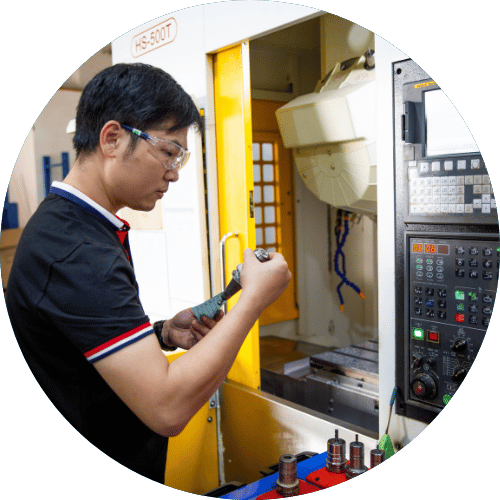
Die casting stands as a cornerstone in modern manufacturing, offering a precise and efficient method for producing complex metal components with exceptional accuracy and durability. This process, which involves forcing molten metal into a mold cavity under high pressure, has revolutionized industries ranging from automotive to consumer electronics by enabling mass production of high-quality parts. The purpose of this blog is to serve as a comprehensive guide to die casting, shedding light on its processes, benefits, and applications to help readers gain a deeper understanding of its pivotal role in today’s manufacturing landscape.
Understanding the Casting Process
What is Die Casting?
Die casting is a highly efficient manufacturing process used to produce intricate metal components with exceptional precision and consistency. At its core, the process involves injecting molten metal into a steel mold, or die, under high pressure. This method ensures that the final product achieves a smooth surface finish and maintains tight dimensional tolerances, making it ideal for applications requiring both functionality and aesthetic appeal. Unlike other casting techniques, die casting is particularly suited for high-volume production due to its speed and repeatability.
When compared to methods like sand casting, die casting offers several advantages. While sand casting is more versatile for creating larger and more complex shapes, it often lacks the precision and surface quality that die casting provides. Additionally, die casting is faster and more cost-effective for mass production, whereas sand casting is better suited for low-volume or custom projects. This distinction makes die casting a preferred choice in industries such as automotive, aerospace, and consumer electronics, where precision and efficiency are paramount.
Overview of the Casting Process
The die casting process follows a systematic series of steps to ensure the production of high-quality components. Below is a detailed breakdown of the process:
- Preparation of the Mold: The steel mold, or die, is cleaned and coated with a lubricant to facilitate the easy removal of the finished part and to regulate the mold’s temperature during the process.
- Melting the Metal: The chosen metal, such as aluminum, zinc, or magnesium, is melted in a furnace until it reaches the desired temperature and viscosity.
- Injection of Molten Metal: The molten metal is then injected into the mold cavity at high pressure, ensuring that it fills every detail of the mold. This step is critical for achieving the desired shape and surface finish.
- Cooling and Solidification: Once the mold is filled, the metal is allowed to cool and solidify. The cooling time depends on the material and the complexity of the part.
- Ejection of the Part: After the metal has solidified, the mold is opened, and the finished part is ejected using ejector pins.
- Trimming and Finishing: Excess material, such as flash or sprues, is removed, and the part undergoes any necessary finishing processes, such as polishing or coating, to meet the required specifications.

This step-by-step process ensures that die casting delivers components with high precision, excellent surface quality, and minimal material waste, making it a cornerstone of modern manufacturing.
Materials Used in Die Casting
Types of Die Casting Materials
Die casting relies on a variety of metals and alloys, each chosen for its unique properties and suitability for specific applications. The most commonly used materials include aluminum, magnesium, and zinc; however, other metals, such as copper and its alloys, are also employed in specialized cases. These materials are selected based on factors such as strength, weight, corrosion resistance, and thermal conductivity.
Aluminum is widely favored for its lightweight nature and excellent strength-to-weight ratio, making it ideal for industries like automotive and aerospace. Magnesium, on the other hand, is even lighter than aluminum and offers good machinability, making it a popular choice for electronic housings and portable devices. Zinc stands out for its superior malleability and ability to produce intricate designs, often used in decorative and functional components.
Aluminum Die Casting Alloys
Aluminum alloys are among the most commonly used materials in die casting due to their exceptional combination of strength, corrosion resistance, and thermal conductivity. Below is a detailed look at some of the most popular aluminum alloys used in the process:
- Alloy 380: This is the most widely used aluminum alloy in die casting. It offers excellent corrosion resistance, good mechanical properties, and high dimensional stability. Its versatility makes it suitable for a wide range of applications, including automotive parts, electrical housings, and machinery components.
- Alloy 390: Known for its superior wear resistance and high hardness, Alloy 390 is often used in applications requiring durability, such as engine components and transmission cases. Its ability to withstand high temperatures makes it a reliable choice for demanding environments.
- Alloy 413: This alloy is prized for its exceptional pressure tightness, making it ideal for hydraulic cylinders and other components that must withstand high internal pressures. It also offers good corrosion resistance and thermal conductivity.
The advantages of aluminum alloys in die casting include their lightweight nature, which improves fuel efficiency in automotive applications, and their ability to produce complex shapes with thin walls, reducing material usage and costs.
Other Metals Used in Die Casting
While aluminum is a dominant material in die casting, other metals like magnesium, zinc, and copper alloys also play significant roles in specific applications:
- Magnesium: Magnesium is the lightest structural metal, making it an excellent choice for applications where weight reduction is critical, such as in aerospace and consumer electronics. It also offers good machinability and vibration damping properties, enhancing its appeal for precision components.
- Zinc: Zinc alloys are highly malleable and capable of producing intricate designs with fine details. They are often used in decorative components, hardware, and small mechanical parts. Zinc also provides excellent corrosion resistance and is cost-effective for high-volume production.
- Copper Alloys: Copper and its alloys, such as brass and bronze, are used in die casting for their superior thermal and electrical conductivity. These materials are commonly found in electrical connectors, plumbing fixtures, and heat exchangers.
Each of these materials brings unique properties to the table, allowing manufacturers to tailor their choice based on the specific requirements of the application. By understanding the strengths and limitations of these materials, industries can optimize their die casting processes for efficiency and performance.
Die Casting Techniques
Hot Chamber vs. Cold Chamber Die Casting
Die casting can be broadly categorized into two primary methods: hot chamber and cold chamber die casting. Each technique is suited for specific materials and applications, offering unique advantages and limitations.
Hot Chamber Die Casting:
In hot chamber die casting, the injection mechanism is submerged in a reservoir of molten metal, allowing the material to be directly fed into the mold. This method is highly efficient and suitable for metals with low melting points, such as zinc, magnesium, and lead alloys. The process is faster because the molten metal is readily available, reducing cycle times. However, it is not ideal for materials like aluminum, which can corrode the injection components due to their higher melting points.

Cold Chamber Die Casting:
Cold chamber die casting, on the other hand, involves manually ladling molten metal into the injection chamber before it is forced into the mold. This technique is commonly used for metals with higher melting points, such as aluminum and copper alloys. While it offers better durability for handling these materials, the process is slower compared to hot chamber die casting due to the additional step of transferring the molten metal.

Key Differences:
- Material Compatibility: Hot chamber is ideal for low-melting-point metals, while cold chamber is better for high-melting-point materials.
- Cycle Time: Hot chamber is faster due to its integrated molten metal reservoir, whereas cold chamber requires more time for manual ladling.
- Durability: Cold chamber systems are more resistant to corrosion, making them suitable for reactive metals like aluminum.
Advanced Techniques
In addition to the traditional hot and cold chamber methods, advanced die casting techniques have been developed to address specific challenges and improve the quality of cast components.
Vacuum Die Casting:
This technique involves creating a vacuum within the mold cavity before injecting the molten metal. By removing air and gases, vacuum die casting minimizes porosity and enhances the structural integrity of the final product. It is particularly useful for components requiring high strength and precision, such as aerospace and automotive parts.
Squeeze Die Casting:
Squeeze die casting combines the benefits of casting and forging by applying high pressure during the solidification process. This eliminates porosity and produces components with superior mechanical properties. The technique is often used for structural parts that demand exceptional strength and durability, such as chassis components in vehicles.
Semi-Solid Die Casting:
Semi-solid die casting involves injecting partially solidified metal into the mold. This method reduces turbulence during filling, resulting in components with improved surface finish and dimensional accuracy. It is commonly used for high-performance applications, such as engine components and precision tools.
Each of these advanced techniques offers unique benefits, allowing manufacturers to tailor the die casting process to meet specific performance and quality requirements. Note: Diagrams or images illustrating these techniques can enhance understanding and engagement.
Advantages of Die Casting
Lightweight Components, Excellent Surface Finish, and High Precision
Die casting is renowned for its ability to produce lightweight yet durable components with exceptional precision. This process allows manufacturers to create intricate designs and complex geometries that would be challenging or impossible with other methods. The resulting parts often require little to no post-processing, as die casting delivers a smooth surface finish straight out of the mold. This makes it an ideal choice for industries like automotive and aerospace, where both weight reduction and aesthetic appeal are critical.
The high precision of die casting ensures that components meet tight tolerances, which is essential for applications requiring exact fits and reliable performance. For example, in the electronics industry, die-cast parts are used for enclosures and connectors that demand both accuracy and durability. Additionally, the process supports the production of thin-walled components, further reducing material usage and overall weight without compromising strength.
Cost-Effectiveness for Large-Scale Production
One of the most significant advantages of die casting is its cost-effectiveness for high-volume manufacturing. Once the initial mold is created, the process allows for rapid production of identical parts, significantly reducing per-unit costs. This makes it an economical choice for industries that require mass production, such as consumer goods and automotive manufacturing.
Moreover, die casting minimizes material waste by reusing excess metal, such as sprues and runners, which can be melted down and recycled. This not only lowers material costs but also contributes to more sustainable manufacturing practices. The durability of the molds further enhances cost efficiency, as they can be used for thousands of cycles before needing replacement.
Comparison Table: Die Casting vs. Other Manufacturing Methods
| Feature | Die Casting | Sand Casting | Injection Molding | Forging |
|---|---|---|---|---|
| Precision | High | Moderate | High | Moderate |
| Surface Finish | Excellent | Rough | Excellent | Moderate |
| Production Speed | Fast | Slow | Fast | Moderate |
| Material Waste | Low | High | Low | Moderate |
| Cost for High Volumes | Cost-effective | Expensive | Cost-effective | Expensive |
| Complexity of Designs | Supports intricate designs | Limited | Supports intricate designs | Limited |
This table highlights how die casting outperforms other manufacturing methods in terms of precision, surface quality, and cost efficiency for large-scale production. While sand casting and forging may be better suited for specific applications, die casting remains the go-to choice for industries requiring high-quality, lightweight, and complex components.
Applications of Die Cast Components
Industries Utilizing Die Cast Products
Die cast components play a pivotal role across a wide range of industries due to their durability, precision, and cost-effectiveness. The automotive sector is one of the largest consumers of die-cast parts, utilizing them for engine blocks, transmission housings, and structural components. These parts are lightweight yet strong, contributing to improved fuel efficiency and vehicle performance.
In the aerospace industry, die casting is used to manufacture critical components such as brackets, housings, and structural supports. The process ensures that these parts meet stringent safety and performance standards while remaining lightweight to optimize aircraft efficiency. Similarly, the electronics industry relies on die casting for enclosures, heat sinks, and connectors, where precision and thermal conductivity are essential. Other industries, including consumer goods, medical devices, and telecommunications, also benefit from the versatility and reliability of die-cast products.

Specific Applications of Aluminum Die Cast Parts
Aluminum die cast parts are particularly valued for their combination of strength, corrosion resistance, and lightweight properties. In the automotive industry, aluminum components are used in engine blocks, cylinder heads, and suspension systems, where their ability to withstand high temperatures and mechanical stress is critical. For example, aluminum die-cast engine blocks not only reduce the overall weight of the vehicle but also enhance heat dissipation, improving engine efficiency.
In consumer electronics, aluminum die-cast parts are commonly found in laptop casings, smartphone frames, and camera housings. These components provide a sleek, durable finish while protecting sensitive internal components. Another notable application is in the construction industry, where aluminum die-cast parts are used for window frames, door handles, and lighting fixtures, offering both aesthetic appeal and long-lasting performance.
Future Trends in Die Casting
The die casting industry is poised for significant advancements as emerging technologies and innovations reshape the manufacturing landscape. One of the most promising trends is the integration of additive manufacturing, or 3D printing, with die casting. This hybrid approach allows for the creation of highly complex molds and prototypes, reducing lead times and enabling greater design flexibility.
Another key development is the adoption of advanced materials, such as high-strength aluminum alloys and magnesium composites, which offer improved performance while maintaining lightweight properties. These materials are particularly relevant for industries like automotive and aerospace, where reducing weight without compromising strength is a top priority.
Sustainability is also driving innovation in die casting, with manufacturers exploring ways to reduce energy consumption and material waste. The use of recycled metals and energy-efficient furnaces is becoming increasingly common, aligning with global efforts to minimize the environmental impact of industrial processes.
As automation and digitalization continue to advance, smart manufacturing technologies, such as IoT-enabled machines and AI-driven quality control systems, are being integrated into die casting operations. These innovations enhance efficiency, reduce defects, and provide real-time insights, ensuring that the industry remains competitive in a rapidly evolving market.
Choosing Die Casting Services
Factors to Consider
Selecting the right die casting service is crucial to ensuring the success of your project. Several factors must be evaluated to make an informed decision. One of the most important considerations is quality control, as the precision and consistency of die-cast components directly impact their performance and reliability. A service provider with robust quality assurance processes, such as regular inspections and advanced testing methods, can help minimize defects and ensure that the final products meet your specifications.
Another key factor is material selection. Different projects require different materials, such as aluminum, magnesium, or zinc alloys, depending on the desired properties like strength, weight, and corrosion resistance. A reliable die casting company should offer a wide range of material options and provide expert guidance on selecting the most suitable alloy for your application.
Production volume is also a critical consideration. Whether you need a small batch of prototypes or large-scale production, the service provider should have the capacity and flexibility to meet your requirements. Additionally, factors like lead times, cost efficiency, and the ability to handle complex designs should be assessed to ensure the service aligns with your project goals.
Quality Control in Die Casting Work
Quality control is the backbone of any successful die casting operation. Precision and consistency are essential, as even minor defects can compromise the functionality and safety of the final product. Advanced quality control measures, such as X-ray inspections, coordinate measuring machines (CMM), and pressure testing, are often employed to detect internal and external flaws.
Consistency is particularly important for high-volume production, where maintaining uniformity across thousands of components is critical. A reliable die casting service will have stringent quality management systems in place, such as ISO certifications, to ensure that every part meets the required standards. By prioritizing quality control, manufacturers can reduce waste, improve efficiency, and deliver products that exceed customer expectations.
Tips for Selecting a Reliable Service Provider
Choosing the right die casting company can be a daunting task, but a systematic approach can simplify the process. Below is a checklist to help you evaluate potential service providers:
- Experience and Expertise: Look for companies with a proven track record in your industry. Experienced providers are more likely to understand your specific needs and deliver high-quality results.
- Material Options: Ensure the company offers a variety of materials and can guide you in selecting the best alloy for your project.
- Quality Assurance: Verify that the provider has robust quality control processes, including certifications like ISO 9001 or IATF 16949.
- Production Capacity: Assess whether the company can handle your required production volume, from small batches to large-scale manufacturing.
- Technology and Equipment: Check if the provider uses advanced machinery and techniques, such as automated systems and precision tools, to ensure efficiency and accuracy.
- Customer Support: A reliable service provider should offer excellent communication and support throughout the project, from initial consultation to final delivery.
- References and Reviews: Request references or read customer reviews to gauge the company’s reputation and reliability.
By carefully considering these factors and conducting thorough research, you can select a die casting service provider that meets your quality, budget, and timeline requirements, ensuring the success of your project.
Frequently Asked Questions
Q: What is die casting?
A: Die casting is a manufacturing process where molten metal is injected into a mold cavity under high pressure to create precise and complex shapes. This method is widely used across industries to produce durable and detailed metal components efficiently.
Q: What materials are typically used in die casting?
A: Common materials for die casting include aluminum, zinc, and magnesium alloys. Each material offers distinct advantages, such as aluminum’s lightweight properties, zinc’s malleability, and magnesium’s excellent strength-to-weight ratio, making them suitable for various applications.
Q: What are the different types of die casting?
A: The primary types of die casting are hot chamber die casting, cold chamber die casting, and low-pressure die casting. Each method is selected based on factors like the type of metal being used, production speed, and the complexity of the part.
Q: How does a die casting machine work?
A: A die casting machine injects molten metal into a mold cavity under high pressure. The machine consists of two die halves that close tightly to form the mold, ensuring the metal fills the cavity completely. Once the metal cools and solidifies, the mold opens to release the finished part.
Q: What is the role of the mold in die casting?
A: The mold, or die, is essential in defining the shape and dimensions of the final product. Made from durable materials like steel, the mold must withstand the high pressure and temperature of molten metal during the casting process.
Q: What is high-pressure die casting?
A: High-pressure die casting involves injecting molten metal into a mold at extremely high pressure, often exceeding several thousand psi. This method ensures exceptional surface finish, dimensional accuracy, and the ability to produce intricate designs, making it ideal for precision components.
Q: What are the advantages of aluminum die casting?
A: Aluminum die casting provides numerous benefits, including lightweight parts, excellent corrosion resistance, and superior thermal and electrical conductivity. These qualities make aluminum die-castings ideal for applications in industries such as automotive, aerospace, and consumer electronics.
Q: What is the significance of die life in die casting?
A: Die life refers to the durability and longevity of the mold used in the casting process. A longer die life reduces production costs, minimizes downtime, and ensures consistent quality, making it a critical factor in efficient die casting operations.
Q: How do casting variations affect the final product?
A: Variations in the casting process, such as mold design, metal temperature, or cooling rates, can lead to defects like porosity, warping, or dimensional inaccuracies. Maintaining precise control over these factors is essential to ensure the quality and performance of the final product.
Q: What role does the North American Die Casting Association play?
A: The North American Die Casting Association (NADCA) supports the industry by providing training, resources, and standards to promote best practices. Their initiatives help manufacturers enhance quality, efficiency, and innovation in die casting operations.
Conclusion
Die casting remains a cornerstone of modern manufacturing, offering unparalleled precision, efficiency, and versatility for producing high-quality metal components. Its ability to deliver lightweight, durable, and intricately designed parts makes it an invaluable process across industries like automotive, aerospace, and electronics. If you’re considering die casting for your next project, now is the perfect time to explore its potential and discover how it can elevate your manufacturing goals.